
When an Engineer Chose the Soil: The Long Game Behind Gegana Farming
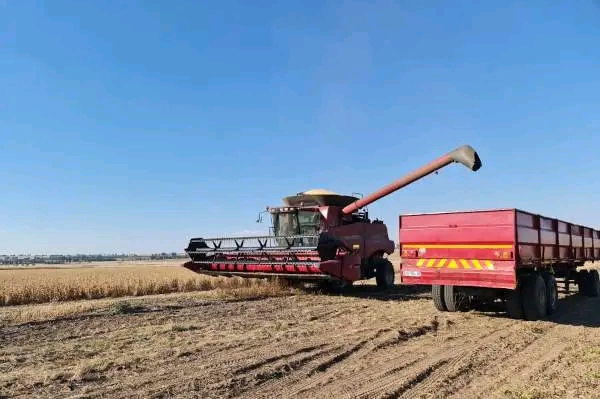
When an Engineer Chose the Soil: The Long Game Behind Gegana Farming. David Mthombeni’s journey into agriculture did not begin with inheritance or tradition. It began with a decision. In 2003, after working as an engineer at Sasol, he chose to step away from a stable corporate career and build something rooted in land, patience, and long term vision. That decision led to the founding of Gegana Farming, a business that has grown steadily into a multi farm operation in Mpumalanga.
Today, Gegana Farming spans three farms across Greylingstad, Standerton, and Evander, covering a total of 2,162 hectares. With more than 30 full time employees and close to 50 temporary workers, the business reflects what deliberate growth, operational discipline, and continuity can achieve in South African agriculture.
Starting again in a new industry
Leaving engineering for farming meant starting from a position of humility. Agriculture demands different skills, timelines, and forms of risk. By launching Gegana Farming in 2003, David committed to learning an entirely new system while building infrastructure and credibility from the ground up.
This transition highlights a critical entrepreneurial lesson. Transferable skills matter. Engineering trains precision, planning, and problem solving, qualities that translate well into large scale farming operations where efficiency and systems thinking are essential.
Lesson: Skills from one industry can become a strategic advantage when applied with discipline in another.
Building scale through land and location
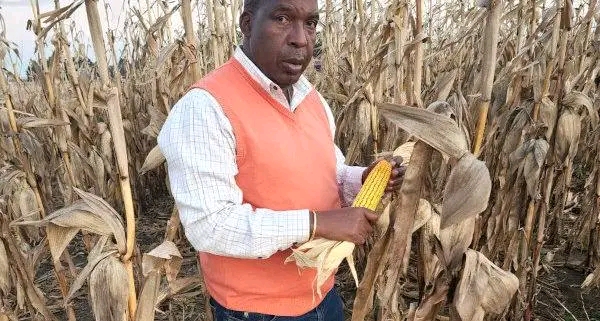
Gegana Farming’s footprint across Greylingstad, Standerton, and Evander did not appear overnight. Expanding to three farms required patience, capital management, and an understanding of regional agricultural conditions in Mpumalanga.
By operating across multiple locations, the business strengthened its production capacity and operational resilience. Land scale became both a growth driver and a competitive strength, allowing Gegana Farming to operate beyond small scale farming limitations.
Lesson: Strategic expansion should follow operational readiness, not ambition alone.
Employment as a growth indicator
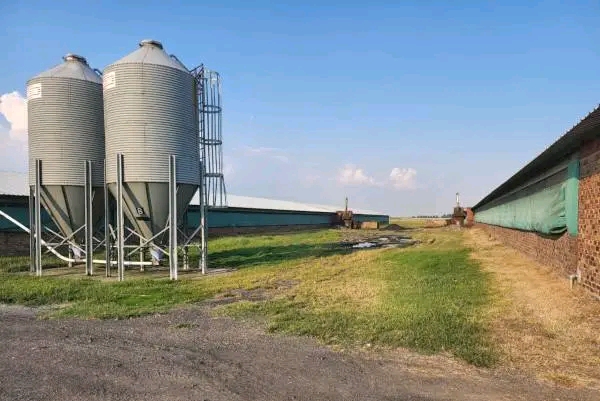
Employing more than 30 full time staff and close to 50 temporary workers reflects more than scale. It reflects operational complexity and responsibility. Managing a workforce in agriculture requires systems, leadership, and consistency, especially during peak production periods.
Gegana Farming’s employment structure shows how growth in agriculture is closely tied to people. Skilled labor, seasonal support, and operational oversight are essential to maintaining productivity across large land areas.
Lesson: Sustainable growth depends on people systems as much as land or equipment.
Strengthening the business through succession
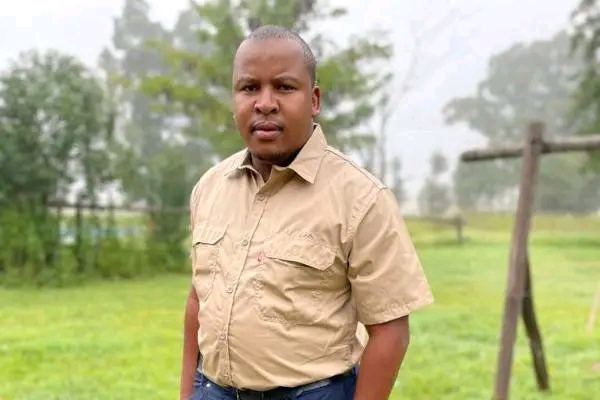
One of the defining strengths of Gegana Farming is continuity. David Mthombeni’s son, Thubelihle, who holds a degree in Animal Science, serves as the operational manager. This combination of formal agricultural education and lived business experience strengthens daily operations and long term planning.
This structure supports knowledge transfer across generations while keeping management grounded in both theory and practice. It also reinforces the idea that farming is not static but evolves with new expertise and leadership.
Lesson: Involving skilled next generation leadership strengthens resilience and longevity.
Operational discipline over hype
Gegana Farming has grown quietly, without public spectacle. Its story is defined by consistency rather than rapid visibility. This approach aligns well with agriculture, where results are measured in seasons, yield, and sustainability rather than immediate returns.
David’s engineering background likely influenced this mindset. Farming operations require planning, maintenance, and systems that perform over time. Growth is earned through repetition and reliability.
Lesson: Not all successful brands grow loudly. Some grow by executing well, year after year.
Navigating long term risk
Agriculture carries inherent uncertainty, from weather conditions to market shifts. Operating across more than 2,000 hectares amplifies these risks. Gegana Farming’s continued operation since 2003 suggests a business model built around endurance rather than short term gain.
Risk management in farming often shows up in planning cycles, land use decisions, and workforce structure. Longevity becomes a marker of strategic clarity.
Lesson: Businesses built for the long term prioritize stability over speed.
What Gegana Farming teaches entrepreneurs
Gegana Farming offers a grounded lesson in entrepreneurship. Starting laterally from a different career is possible. Scaling requires patience. People matter. Education and experience together create strength. Most importantly, success does not always announce itself loudly.
David Mthombeni’s decision to leave engineering and build a farming enterprise has resulted in a business that employs dozens, manages thousands of hectares, and integrates generational leadership. It is a reminder that real growth often happens far from the spotlight, driven by discipline, learning, and commitment to the work.