
How Refelwe Tshabangu Is Growing Ubuntu Brands

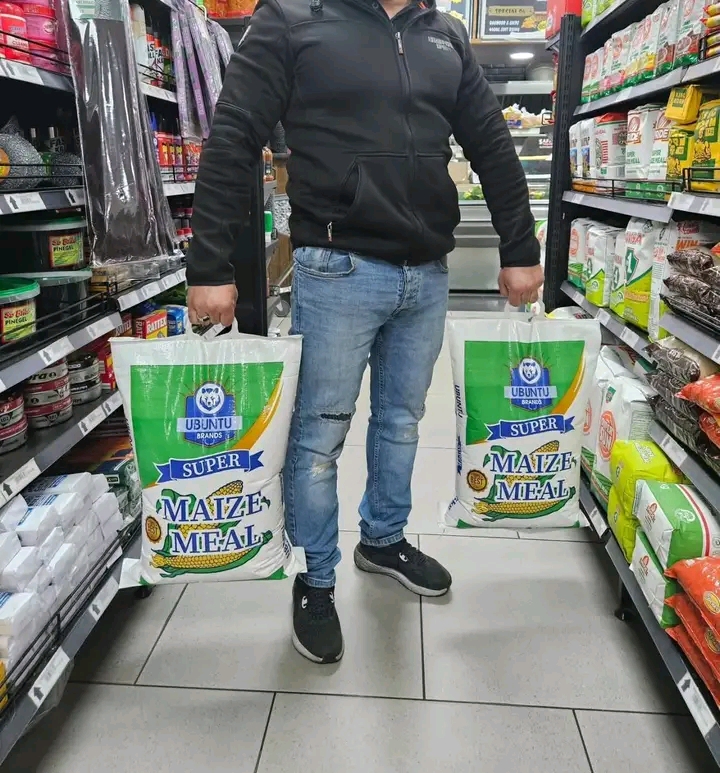
How Refelwe Tshabangu Is Growing Ubuntu Brands. Some businesses start with a trend. Others begin with a basic human need. Ubuntu Brands, founded by Refelwe Tshabangu, was built around something every household understands: food on the table. As the founder and CEO of Ubuntu Brands, she leads a group holding company that owns Ubuntu Cooking Oil and Ubuntu Maize Meal, products now available in KitKat Cash and Carry stores nationwide and in a number of wholesalers.
Her journey shows how focusing on everyday essentials can become the foundation for a powerful and expanding brand.
Building a Brand Around Everyday Needs
Ubuntu Brands did not begin with luxury goods or niche products. It focused on staple foods that are used daily in many homes. Cooking oil and maize meal are not occasional purchases. They are repeat buys, which makes them a strong base for brand building.
Choosing essential products is a strategic decision. Demand remains steady, and customers value reliability and affordability. By entering a space that is already part of people’s routines, Ubuntu Brands positioned itself to grow through consistent consumption rather than seasonal spikes.
For entrepreneurs, this highlights the value of solving daily needs instead of chasing short lived trends.
The Power of Strategic Retail Placement
One of the key milestones for Ubuntu Brands is the availability of its products in KitKat Cash and Carry stores nationwide, as well as in several wholesalers. Retail distribution at this level creates visibility and trust.
Being present in established retail outlets does more than increase sales. It signals credibility. Customers are more likely to try a product when they see it stocked alongside other known brands. Wholesale distribution also expands reach, allowing smaller retailers to stock Ubuntu products.
The lesson here is clear. Strong distribution partnerships can accelerate brand growth far beyond what direct selling alone can achieve.
Expanding the Product Line With Purpose
Ubuntu Brands is not stopping at cooking oil and maize meal. The company is preparing to launch additional products under the same brand, including rice, chicken mixed portions, beans, washing powder, and bath soap.
This expansion follows a logical pattern. These are all household essentials that fit naturally into the same shopping basket as the original products. Instead of entering unrelated categories, Ubuntu Brands is deepening its presence in the everyday consumer goods space.
For business owners, this is a strong example of brand extension done right. Expanding into products that align with existing customer needs strengthens brand identity and increases basket value.
Creating a Unified Household Brand
By offering both food items and home care products under one brand name, Ubuntu Brands is positioning itself as a household brand rather than a single product company. This strategy builds familiarity. When customers trust one product, they are more open to trying others with the same label.
Brand unity also simplifies marketing. Every new product benefits from the reputation already built by earlier ones. Over time, the brand becomes associated with reliability in multiple areas of daily life.
Entrepreneurs can learn from this approach by thinking beyond one product and building a brand that can stretch across related categories.
Opportunities in Serving the Mass Market
Ubuntu Brands operates in the fast moving consumer goods space, which is highly competitive but offers large scale opportunity. By focusing on widely used products, the company is targeting a broad customer base rather than a narrow niche.
Serving the mass market requires attention to affordability, supply consistency, and strong relationships with retailers. Success in this space often comes from operational discipline as much as marketing creativity.
The key insight for aspiring founders is that large markets reward businesses that can combine scale with reliability.

Lessons From the Ubuntu Brands Journey
Refelwe Tshabangu’s journey with Ubuntu Brands offers practical lessons for entrepreneurs. First, build around products people need regularly. Second, secure strong retail and wholesale partnerships to scale faster. Third, expand your product line in ways that feel natural to your existing customers. Fourth, focus on building a brand that can live in many parts of a household, not just one shelf.
Ubuntu Brands shows how a clear focus on essentials, paired with smart expansion, can turn everyday products into the foundation of a growing national brand.