
Rejected, Then Resilient: How Fezile Dlamini Turned Setbacks Into Scooter RSA
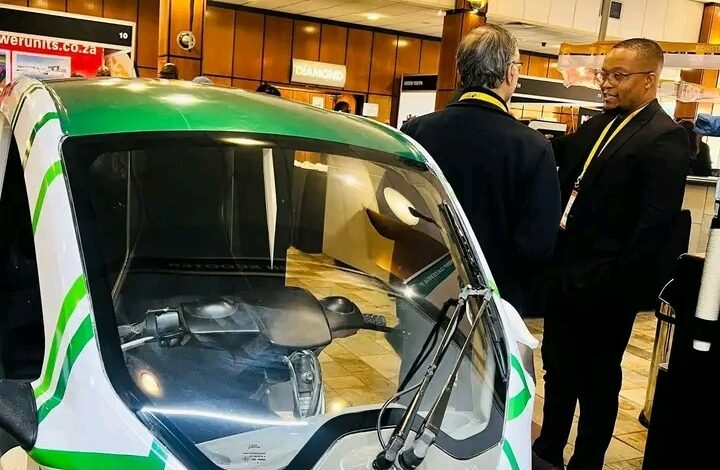
Rejected, Then Resilient: How Fezile Dlamini Turned Setbacks Into Scooter RSA. Fezile Dlamini’s entrepreneurial journey began with rejection. An engineer from Soweto, he applied to ride hailing platforms Uber and Bolt more than ten times, only to be turned away each time. Instead of allowing those rejections to define his limits, Dlamini made a decisive shift. He chose to build something of his own.
That decision led to the creation of Scooter RSA, a brand focused on manufacturing electric scooters. What began as a response to closed doors became the foundation of a new path. For many entrepreneurs, rejection is often the moment that tests resolve. In this case, it became the spark for innovation.
Engineering Skills Turned Into Product Development
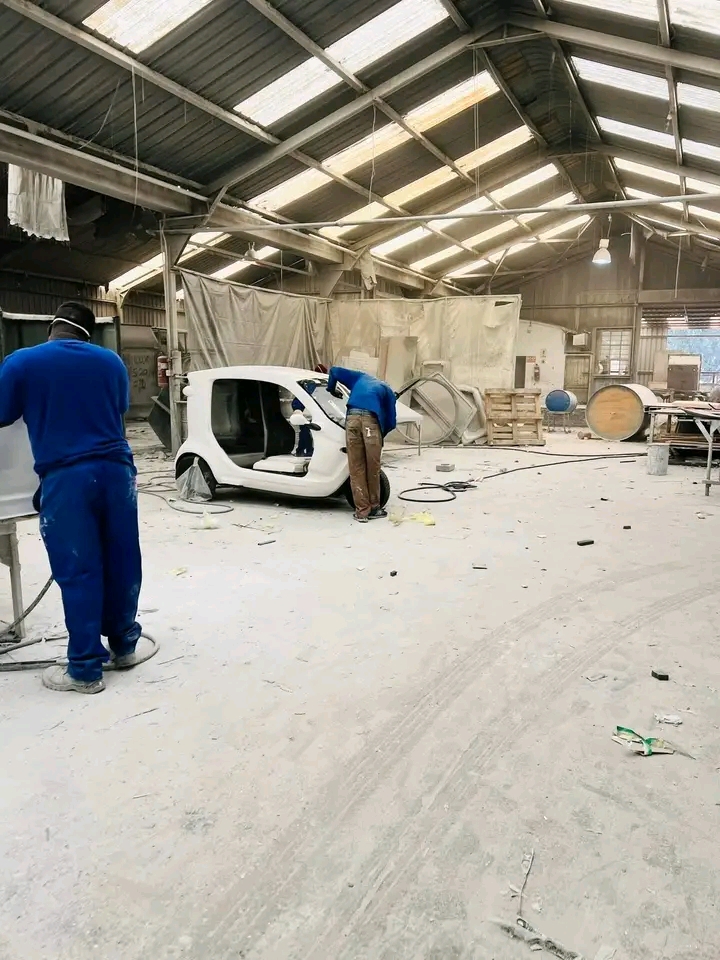
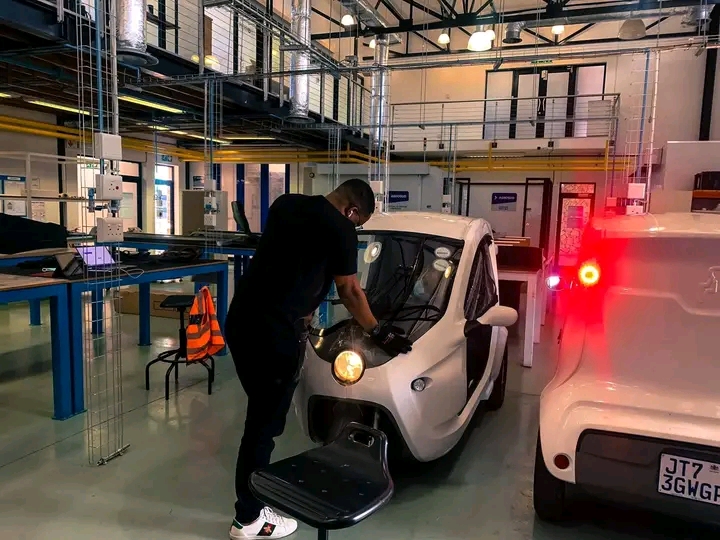
As an engineer, Dlamini brought technical knowledge directly into product creation. Scooter RSA was not an abstract idea. It was a hands on solution built through applied skill. Designing and manufacturing electric scooters required problem solving, precision, and a clear understanding of how components work together.
Turning a technical skill into a physical product is a powerful entrepreneurial move. It allows a founder to control quality, iterate designs, and respond quickly to feedback. The lesson here is practical. Skills gained through education or work experience can be transformed into scalable products when applied with purpose.
Building Instead of Waiting
After repeated application rejections, Dlamini did not wait for permission to participate in the mobility economy. He created his own entry point. By manufacturing electric scooters, he shifted from being a potential platform user to a product supplier.
This shift reflects a strategic mindset. When access to an existing system is denied, building an alternative can create new opportunities. Entrepreneurs often focus on joining established platforms. Dlamini’s journey shows the value of building infrastructure rather than competing for limited slots within it.
Scooter RSA and Market Relevance
Scooter RSA focuses on electric scooters, a product aligned with growing interest in alternative mobility solutions. Electric scooters offer practical transport options and reflect changing attitudes toward mobility.
Relevance matters in entrepreneurship. Products that align with real world needs and emerging trends have a stronger chance of adoption. Entrepreneurs benefit from observing where demand is moving and positioning their offerings accordingly.

A Breakthrough With Takealot
One of the most significant milestones in Dlamini’s journey is Scooter RSA manufacturing electric scooters for Takealot. Supplying a major e commerce platform marks a shift from independent production to formal market participation.
This milestone reflects trust in product quality and manufacturing capability. Supplying a large retailer requires consistency, reliability, and the ability to meet standards. For small manufacturers, partnerships like this can validate a business and open pathways to larger markets.
From Individual Hustle to Manufacturing Vision
Scooter RSA represents more than a single product. It reflects a transition from individual hustle to structured manufacturing. Moving into production for a retailer suggests systems, processes, and accountability.
This transition is a critical stage in many entrepreneurial journeys. It requires discipline, planning, and the ability to deliver at scale. Entrepreneurs can learn that growth often demands a shift from improvisation to structure.
Lessons From Fezile Dlamini’s Journey
Several lessons emerge from Scooter RSA’s story. Rejection does not define potential. Skills can become products. Building alternatives can be more powerful than chasing acceptance. Market relevance strengthens opportunity. Strategic partnerships can accelerate growth.
Dlamini’s journey also highlights resilience. Applying more than ten times without success would discourage many. Choosing to build instead shows a mindset rooted in ownership and long term thinking.
What Aspiring Entrepreneurs Can Apply
Aspiring entrepreneurs can draw practical insights from this journey. When faced with repeated rejection, reassess the path rather than the goal. Identify skills that can be turned into tangible offerings. Look for ways to participate in industries by supplying value, not just consuming opportunity.
Scooter RSA demonstrates that innovation does not always begin with funding or recognition. Sometimes it begins with refusal and the determination to respond differently.