The Growth Playbook Behind Yuppiechef’s Retail Reinvention
The Growth Playbook Behind Yuppiechef’s Retail Reinvention. Some brands grow because markets are booming. Others grow because they understand people deeply enough to evolve ahead of the market. The rise of Yuppiechef reflects the second path. What began as a small online shop selling just a handful of kitchen products developed into one of South Africa’s leading omnichannel retailers. That transformation did not happen through luck. It happened through timing, customer obsession, and a willingness to innovate even when the broader retail environment struggled.
The journey reveals what it truly takes to build a brand that customers trust, remember, and return to.
Bold Beginnings Inside a Living Room
In 2006, Andrew Smith and Shane Dryden launched the business as a part time venture while still running a small web agency. Their experience developing websites and intranets for clients since 1999 gave them a strong understanding of digital infrastructure, long before ecommerce became mainstream.
The company started with just 32 kitchen products sold online from a lounge in Plumstead. The scale was modest, but the intent was clear. Rather than attempting to offer everything, they focused on curated products designed to improve everyday home experiences.
Starting small created flexibility. It allowed the founders to test, learn, and refine their approach without the pressure of large scale operations. For entrepreneurs, this highlights a practical principle. Controlled beginnings create space for experimentation and clarity.
Building a Brand Around Joy in Everyday Living
From early on, the company positioned itself around a simple but powerful idea. The right product can make everyday life better. Whether it is preparing food, brewing coffee, or creating comfort at home, the brand centred its identity on enhancing daily rituals.
This positioning shaped everything from product selection to customer experience. Instead of competing purely on price, the business focused on quality, usability, and emotional connection.
That strategic choice helped the brand stand out in a crowded retail environment. It also created a strong foundation for loyalty. Customers were not just buying products. They were buying improved experiences.
For founders, this demonstrates the importance of defining what your brand stands for beyond what it sells.
Ecommerce Leadership Before It Was the Norm
Over time, the business established itself as a major force in South African ecommerce. It won the country’s E Commerce Awards six times, reflecting consistent excellence in online retail execution.
These wins were not isolated moments. They represented sustained investment in usability, service, and digital experience. Recognition also extended across multiple industry platforms, including national business awards and retail design honours.
This level of consistent recognition shows how excellence compounds. Each improvement strengthens reputation. Each award reinforces credibility.
Entrepreneurs can learn an important lesson here. Market leadership is rarely declared. It is demonstrated repeatedly through performance.

Expanding Physical Retail in a Challenging Environment
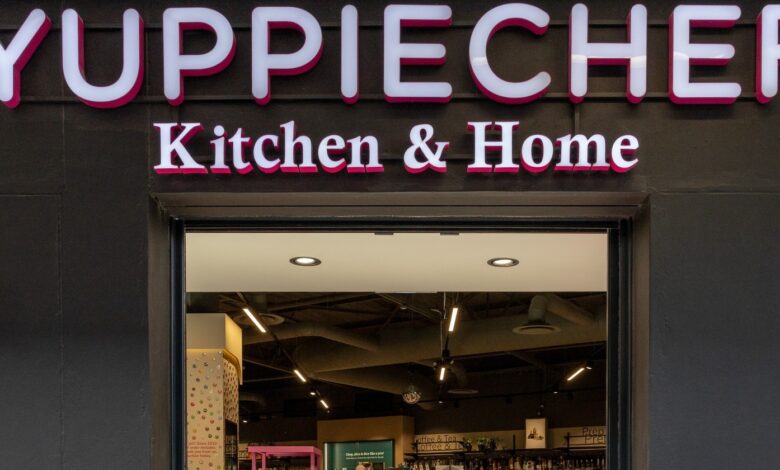
One of the most defining strategic decisions came when the company expanded into physical retail stores. This move happened at a time when the broader retail sector faced significant pressure.
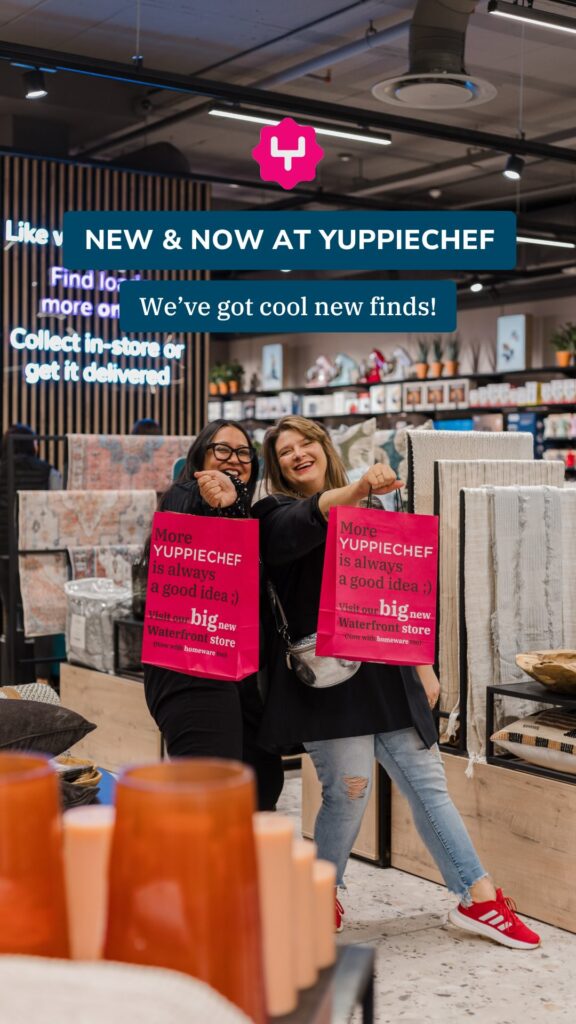
Rather than viewing physical locations as a risk, the company saw them as an extension of the customer experience. Stores allowed customers to touch and test products, receive advice, and see demonstrations. At the same time, online and in store systems worked together seamlessly, including the option to order online and collect in store.
This approach transformed the business into a true omnichannel retailer. Customers could interact with the brand in whichever way suited them best.
The lesson is clear. Innovation is not about choosing between digital and physical. It is about integrating both in ways that serve customers better.
Scaling Culture and Team Alongside Growth
From its beginnings with two founders, the company grew to employ more than 300 people. Scaling operations required more than expanding inventory or opening stores. It required building a culture aligned with the brand’s purpose.
Growth that preserves identity is intentional. It requires clear values, consistent customer focus, and careful hiring.
Entrepreneurs often focus on operational expansion while overlooking cultural continuity. This story shows that both must grow together.

A Landmark Exit and New Entrepreneurial Chapter
A major turning point came in 2021 when the founders sold the company to Mr Price Group for an estimated R500 million. The acquisition marked the culmination of years of strategic growth and brand development.
Following the sale, the founders launched a new venture, Brave Hardy, applying their entrepreneurial experience to a different retail category.
This transition reflects a broader truth about entrepreneurship. Building one successful company often becomes the foundation for future ventures.
Lessons Entrepreneurs Can Apply Immediately
Several practical insights emerge from this journey.
Start with focused product selection rather than overwhelming choice.
Build emotional connection, not just transactions.
Invest consistently in customer experience to create long term loyalty.
Integrate online and physical channels instead of treating them separately.
Scale teams and culture together to preserve brand identity.
Recognise when strategic exits create new opportunities for growth.
Each lesson reflects decisions grounded in real execution rather than abstract theory.
A Brand Shaped by Customer Centred Innovation
From a lounge based online shop to a nationally recognised retailer with physical stores across South Africa, the company’s growth shows what happens when digital expertise, product passion, and customer focus align.
Its story is not simply about selling kitchenware or home goods. It is about understanding how people live and building systems that enhance those moments.
For aspiring entrepreneurs, the message is powerful. Sustainable growth comes from solving real needs, evolving with the market, and never losing sight of the customer experience that made success possible in the first place.