
The Rise of Funo Designs and the Vision of Lufuno Netshithuthuni

The Rise of Funo Designs and the Vision of Lufuno Netshithuthuni. Entrepreneurship often begins when someone notices something others overlook. For Lufuno Netshithuthuni, that moment arrived while shopping for a pair of traditional shoes. What she saw on the shelves did not meet her expectations. Instead of settling for what was available, she decided to create something different. That decision would eventually lead to the creation of Funo Designs, a brand known for designing and handcrafting modern traditional shoes for women who appreciate cultural fashion.
Founded in 2019, Funo Designs grew from a simple personal project into a recognised brand that celebrates South African heritage through footwear. The company’s journey highlights how creativity, resilience, and the ability to recognise a market gap can transform a personal idea into a meaningful business.
A Childhood Influence Rooted in Culture
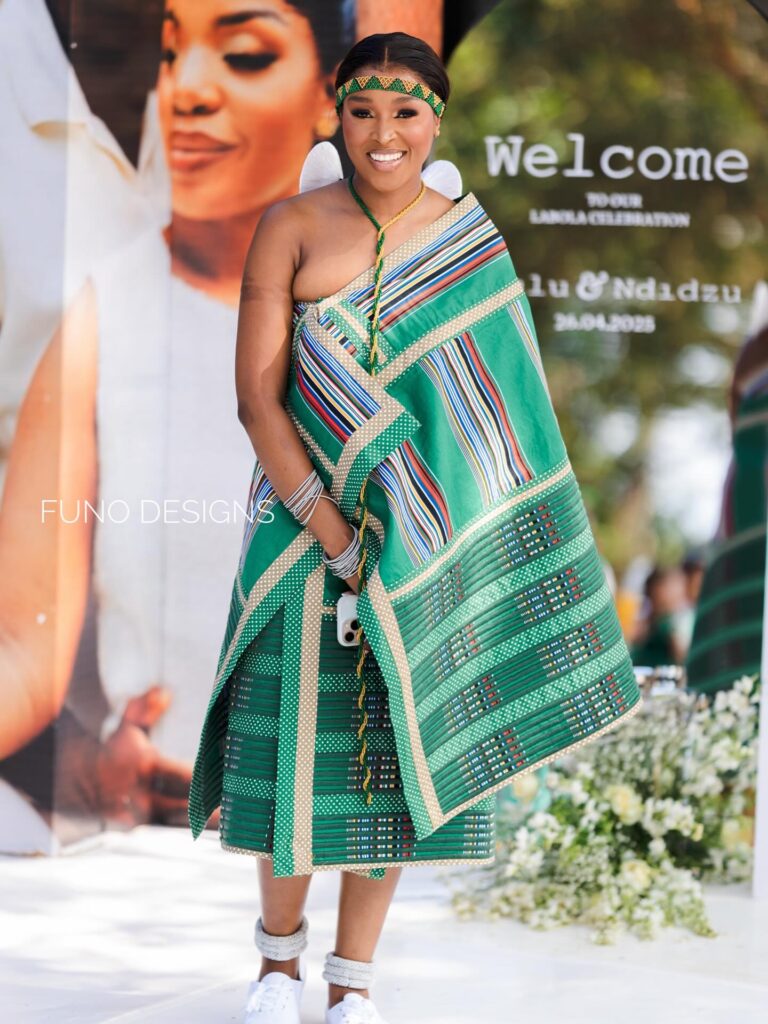
The inspiration behind Funo Designs can be traced back to Lufuno Netshithuthuni’s upbringing. Growing up in her village, she regularly saw elderly women wearing lace up takkies known in the Venda region as Mapfutsek or Zwibatha. These takkies were often worn together with Vha Venda traditional attire called Muenda.
The sight of women proudly pairing these shoes with traditional clothing left a lasting impression on her. She also noticed that younger women and children from different parts of South Africa wore similar takkies with their own cultural attire. The shoes carried meaning beyond fashion. They represented pride, identity, and tradition.
Years later, this cultural memory would become the creative foundation for her brand.
The Turning Point That Sparked Funo Designs
The story of Funo Designs began in 2019 when Netshithuthuni was shopping for traditional shoes and felt disappointed with the options available. Instead of continuing the search, she purchased a pair of shoes and redesigned them herself by adding elements that matched her vision.
Once she finished designing the pair, she shared pictures of the shoes with her WhatsApp contacts. At the time she had no intention of launching a business. However, the reaction from people who saw the images surprised her.
The responses were overwhelmingly positive. People showed interest in the design and asked about the shoes. This moment revealed something important. There was a gap between what customers were looking for and what the market was offering.
Recognising this opportunity, Netshithuthuni established Funo Designs.
Building a Brand Around Modern Traditional Footwear
Funo Designs focuses on creating modern traditional shoes for women from all cultural backgrounds who appreciate cultural fashion. The brand reimagines the familiar lace up takkies by introducing unique design elements that reflect a contemporary interpretation of traditional footwear.
By doing this, Netshithuthuni positioned the brand at the intersection of culture and fashion. Instead of replacing traditional designs, Funo Designs modernises them while preserving their cultural significance.
This approach highlights an important entrepreneurial lesson. Businesses that respect tradition while introducing innovation can create products that resonate across generations.

Recognition at the Golden Shield Heritage Awards
The brand’s cultural impact has not gone unnoticed. Lufuno Netshithuthuni received the Corporate Heritage Management Award at the 9th Golden Shield Heritage Awards.
The recognition acknowledged her work in preserving South African cultural identity through footwear design. By transforming traditional takkies into modern handcrafted shoes, Funo Designs contributes to the visibility and appreciation of cultural fashion.
For entrepreneurs, recognition like this often signals that a brand is creating meaningful value beyond commercial success.
Navigating Challenges During the COVID-19 Pandemic
Like many small businesses, Funo Designs faced serious disruptions during the COVID 19 pandemic. Lockdown restrictions affected production and customer orders. The business had to stop taking orders temporarily even though materials had already been purchased.
Some customers cancelled their orders, which meant refunds had to be issued. This created financial pressure for a self funded business that was still in its early stages.
Instead of giving up, Netshithuthuni focused on using every available resource to keep the business operating. Her response reflects a common reality in entrepreneurship. Challenges are inevitable, but adaptability often determines whether a business survives difficult periods.

Marketing Through Social Media and Community Support
Funo Designs relies heavily on social media to connect with customers. Platforms such as WhatsApp and other online channels help the brand share its designs with a wider audience.
This strategy has allowed the business to reach women who appreciate cultural fashion across different communities. It also shows how digital platforms can help small businesses promote products without the need for expensive marketing campaigns.
For aspiring entrepreneurs, the lesson is clear. Consistent online visibility can play a powerful role in building brand awareness.
Lessons from the Funo Designs Journey
The story of Funo Designs offers several practical insights for entrepreneurs.
One lesson is the value of identifying a market gap. Netshithuthuni noticed that existing traditional shoes did not match what she envisioned, which led her to create a new design.
Another important lesson is resilience. After losing her job, she chose to pursue a new path instead of giving up.
The brand also demonstrates the importance of cultural authenticity. By drawing inspiration from traditional footwear worn in the Venda region, Funo Designs created products that connect with cultural identity.