
No Card, No Queue, No Problem: How ePocket Is Rewriting Everyday Money
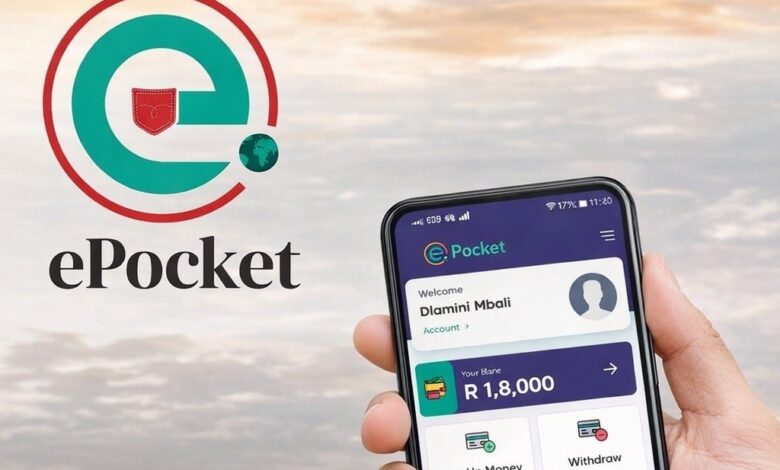
No Card, No Queue, No Problem: How ePocket Is Rewriting Everyday Money. Mpho Tlhape did not start with a complex business plan or a pitch deck. The idea behind ePocket came from a simple, urgent situation. He was in a meeting when he realised he had not left money for his 9 year old daughter to buy bread. There was no quick, safe way to send a small amount of money without relying on a bank, an ATM, or a card.
That moment exposed a gap that millions of South Africans experience daily. Sending money should be easy, but for many, it is still slow, expensive, or inaccessible. From that single problem, ePocket was born.
Instead of trying to improve existing systems, Mpho asked a more important question. Why were these systems not built for everyday people in the first place?
Building for real life, not ideal conditions
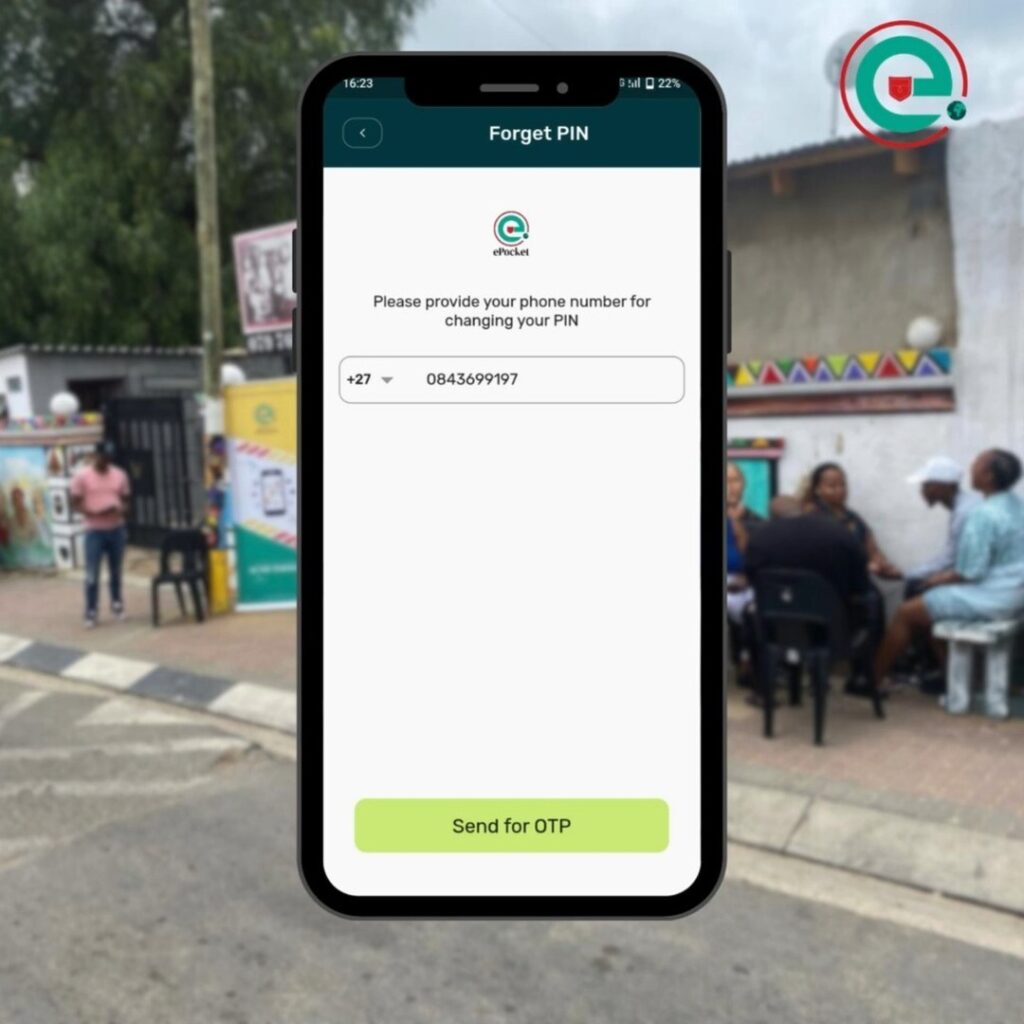
ePocket was designed specifically for township and rural communities. It does not require a bank card, a smartphone, or a complicated setup. A cellphone and a valid number are enough.
This design choice is not just about simplicity. It is a strategic decision that removes barriers to entry. Many digital platforms assume access to advanced technology, but ePocket works within the realities of its users.
This is one of the brand’s strongest advantages. It meets people where they are instead of forcing them to adapt.
For entrepreneurs, the lesson is clear. The best products are not always the most advanced. They are the ones that fit naturally into people’s lives.
Turning accessibility into a competitive edge
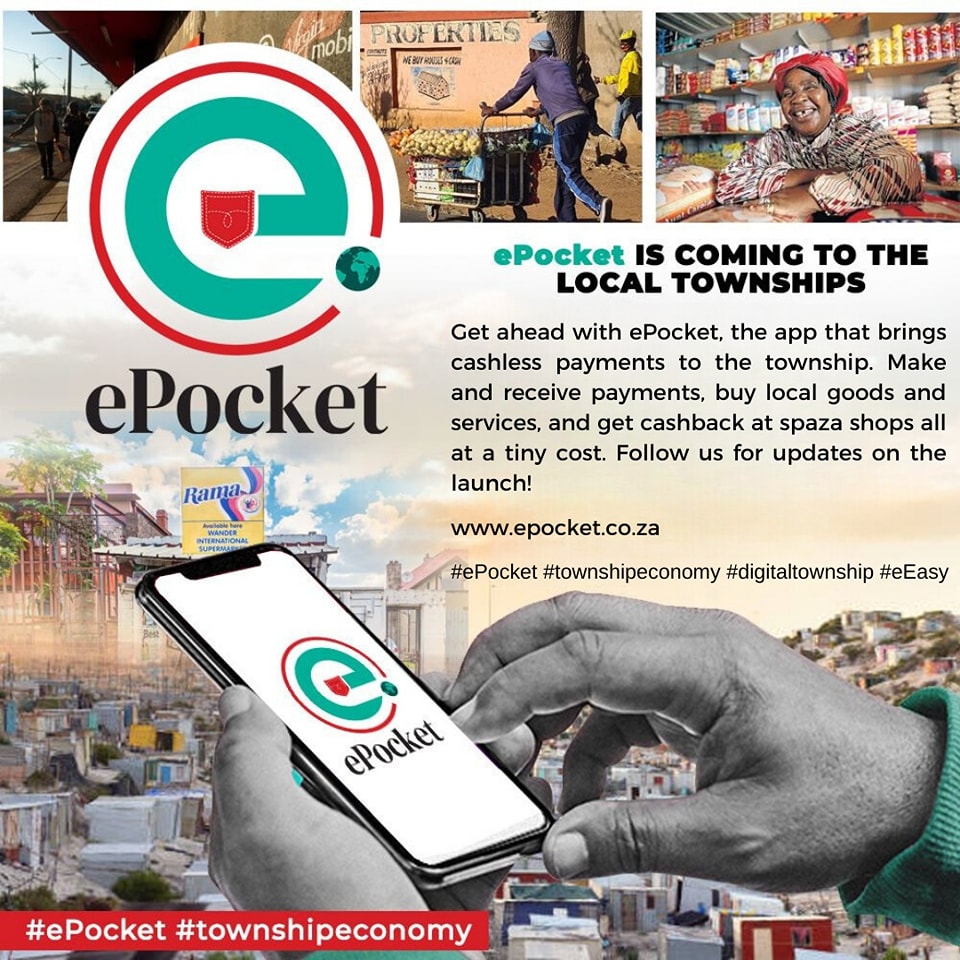
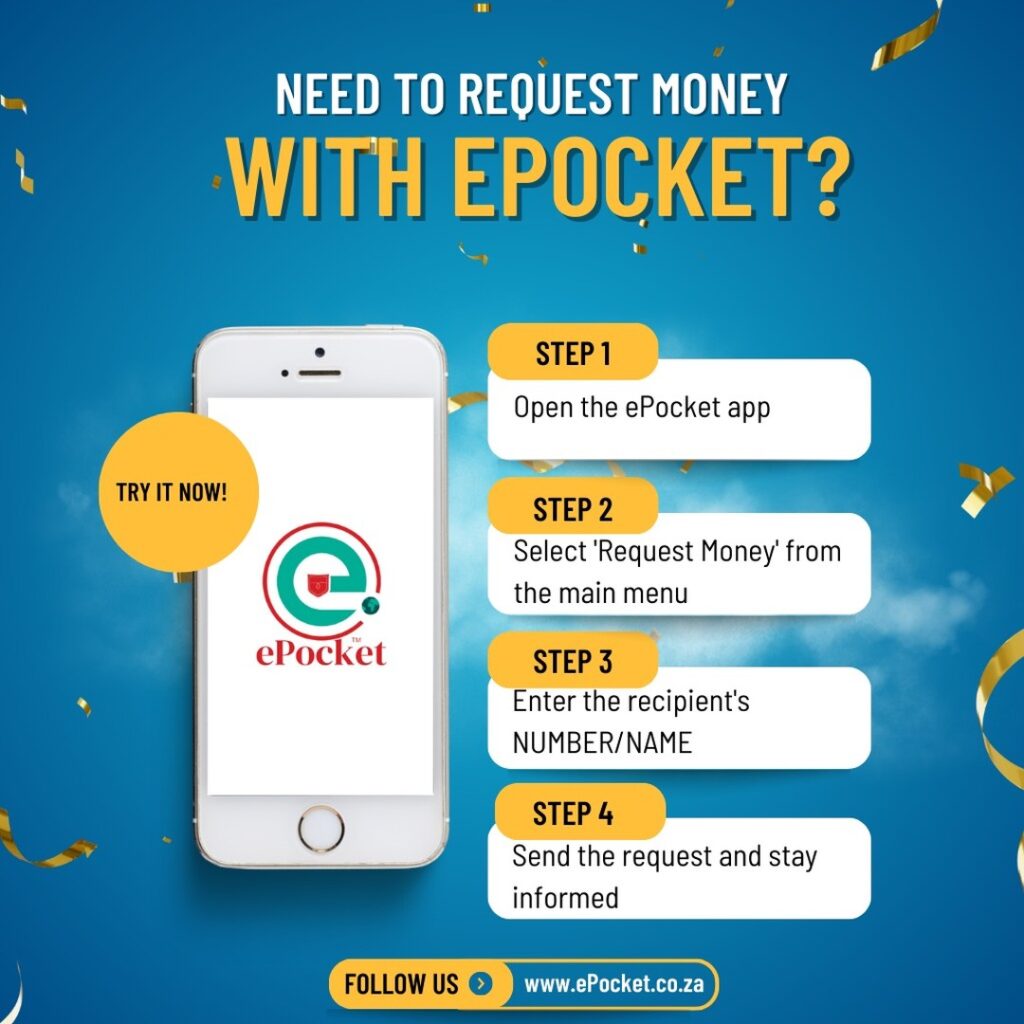
ePocket’s core features are built around everyday financial needs. Users can send money instantly, request funds, buy electricity, pay bills, and transact at local spaza shops using Scan2Pay.
Each feature solves a specific, practical problem.
There are no unnecessary add ons. Every function is tied to how money actually moves in communities. This focus keeps the platform relevant and easy to use.
Accessibility also extends to cost. Low fees ensure that users keep more of their money. In markets where every rand counts, this becomes a powerful differentiator.
The takeaway for founders is important. When your product reduces friction and cost at the same time, adoption becomes easier and more organic.
The power of the Money Agent model
One of the most impactful elements of ePocket is its Money Agent network. Instead of relying on traditional banking infrastructure, the platform enables trusted local agents to provide cash in and cash out services.
This approach solves two problems at once. It brings financial access closer to users while creating income opportunities within the community.
It also strengthens trust. People are more likely to engage with a system that has a familiar, local presence.
This is a strong example of building distribution in a way that aligns with the environment. Rather than copying existing banking models, ePocket created its own ecosystem.
Entrepreneurs can learn from this by thinking beyond the product itself. Distribution and access are just as important as the solution.
Strategic positioning in an underserved market
ePocket does not try to compete directly with traditional banks. Instead, it positions itself as an alternative built for those who have been overlooked.
This clarity in positioning is a major strength.
The brand speaks directly to parents, students, hustlers, and small business owners. It understands their challenges and offers a solution that fits into their daily routines.
By focusing on a specific audience, ePocket avoids the trap of trying to serve everyone. This makes its messaging stronger and its value proposition clearer.
For aspiring founders, this highlights the importance of focus. A well defined market is easier to serve and easier to grow within.
Collaboration and execution
While Mpho Tlhape founded the business, ePocket’s development also includes leadership from Karabo Seduma, who serves as COO.
Building a functional financial platform requires coordination, execution, and trust. This partnership reflects the importance of having the right people in key roles.
Strong ideas need strong execution to succeed. The presence of a structured leadership team helps translate vision into a working product.
Lessons from ePocket’s journey
There are clear, practical lessons that come through in ePocket’s growth.
Start with a real problem. The idea came from a lived experience, not a trend.
Design for your user. Simplicity and accessibility can be more powerful than complexity.
Reduce friction. The easier it is to use your product, the faster it can spread.
Build within your environment. The Money Agent model works because it fits the community.
Stay focused. Serving a specific audience creates clarity and momentum.
A vision rooted in financial inclusion
ePocket’s long term vision is to create a future where township and rural communities can move money easily, safely, and affordably.
It is not trying to reinvent finance for everyone. It is focused on making it work better for those who need it most.