
Multi-Store Owner: The Business Journey Behind Peter Moyanga’s McDonald’s Success
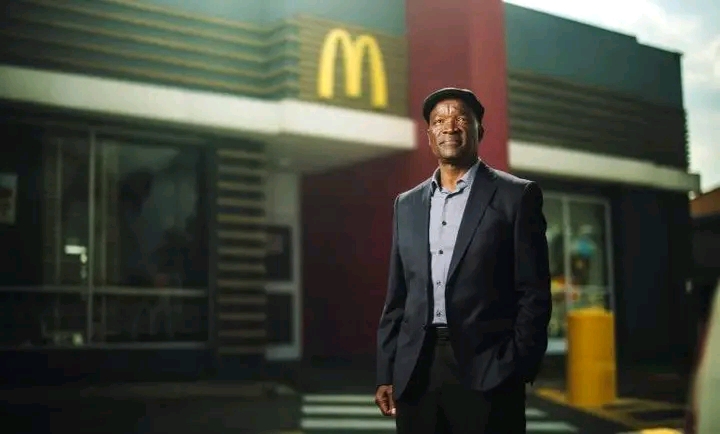
Multi-Store Owner: The Business Journey Behind Peter Moyanga’s McDonald’s Success. Peter Moyanga began his journey at McDonald’s not as an owner, but as an employee. This starting point is significant. It placed him inside one of the most structured and system driven businesses in the world, giving him direct exposure to how operations, service standards and customer experience are managed daily.
Working within the system allowed him to understand the fundamentals that many entrepreneurs only learn after launching a business. He experienced the pace, discipline and expectations required to run a high volume operation. This early phase became the foundation of his later success.
For aspiring entrepreneurs, this highlights a key insight. Sometimes the best place to learn how to run a business is by working inside one.
A defining turning point in 2003
In 2003, Peter Moyanga made a significant transition. He became one of the first McDonald’s employees in South Africa to own a franchise.
This was not just a career shift. It marked a move from executing systems to owning and managing them. The transition from employee to franchisee requires a different level of responsibility. It involves financial commitment, leadership and the ability to maintain brand standards while running a profitable operation.
This moment stands out as a major turning point. It shows the importance of recognising opportunity and being prepared to step into it when it arises.
The lesson here is clear. Growth often requires moving beyond familiarity and taking on new challenges.
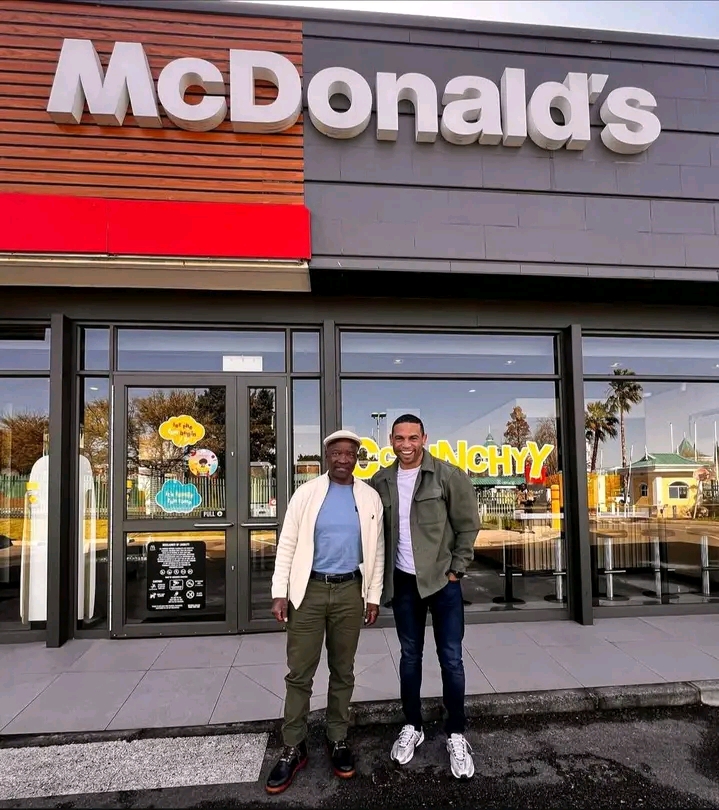
Scaling from one store to multiple locations
Over the years, Peter Moyanga expanded his footprint significantly. Today, he owns 18 McDonald’s franchises across Gauteng, Mpumalanga, North West and Northern Cape.
This level of expansion reflects a long term approach to growth. Managing multiple locations requires systems, structure and consistency. Each store must operate at the same standard while serving different communities.
Scaling within a franchise model is not automatic. It depends on performance, trust and the ability to replicate success across locations. Moyanga’s growth suggests a strong understanding of these requirements.
For entrepreneurs, this demonstrates the value of building a business model that can be repeated. Growth becomes more achievable when systems can be duplicated effectively.
Job creation as part of business impact
Peter Moyanga’s business journey is not only about expansion. It also reflects impact through employment. His operations now employ over 800 people.
This highlights an often overlooked aspect of entrepreneurship. As businesses grow, they create opportunities for others. Employment becomes a direct outcome of business success.
Managing a workforce of this size also requires leadership and organisational structure. It involves training, supervision and maintaining a consistent work environment across multiple locations.
The takeaway is that scaling a business comes with responsibility. Growth should be supported by strong people management systems.

Leveraging a global brand with local execution
Operating under the McDonald’s brand provides access to an established system, recognised identity and proven processes. However, success is not guaranteed by the brand alone.
Execution at the local level remains critical. Each franchise must meet customer expectations, manage operations efficiently and maintain service quality.
Peter Moyanga’s journey shows how a global brand can be leveraged effectively when combined with disciplined local management. It is the balance between following a system and executing it well that drives results.
For aspiring entrepreneurs, this offers a practical lesson. Whether working within a franchise or building independently, consistent execution is what sustains growth.
Lessons from the journey
Several clear lessons emerge from Peter Moyanga’s path from employee to multi franchise owner.
Start by learning the fundamentals. Hands on experience can provide a strong foundation.
Recognise and act on opportunities. The transition in 2003 was a key moment that changed the trajectory of the journey.
Focus on scalability. Expanding to 18 locations required systems that could be repeated.
Build strong teams. Employing over 800 people highlights the importance of leadership and structure.
Execute consistently. Growth depends on maintaining standards across all operations.

A journey defined by progression and discipline
Peter Moyanga’s story reflects steady progression rather than overnight success. It is a journey built on learning, taking opportunities and expanding over time.
From working as an employee to owning multiple franchises, the path shows what is possible when experience is combined with action.
For entrepreneurs looking to build sustainable businesses, this journey offers a clear message. Success is often the result of understanding the system, committing to growth and executing consistently over time.