
Stitching Purpose Into Fashion: The Rise of House of Sebo
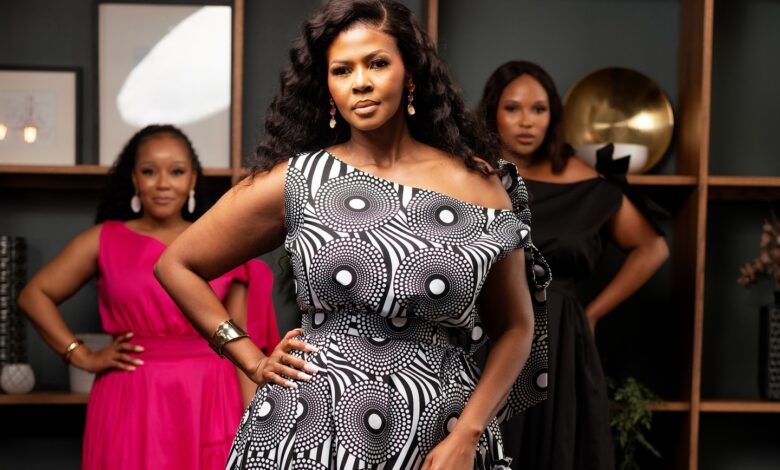
Stitching Purpose Into Fashion: The Rise of House of Sebo. Disebo Mhlangu did not enter the fashion industry as a newcomer learning on the go. Her journey into entrepreneurship was built on more than a decade of experience as a retail buyer, having worked with established companies such as Mr Price Group, Legit, and Rage Footwear.
This background gave her a deep understanding of consumer behavior, product trends, and the mechanics of retail. It also meant she entered entrepreneurship with a level of industry insight that many founders spend years trying to develop.
House of Sebo was founded from this position of knowledge, but also from something more personal. Disebo’s life as a mother, a wife, and a creative shaped her perspective on what women want from fashion, not just in terms of style, but in how clothing makes them feel.
The lesson here is clear. Experience can become a powerful advantage when it is paired with purpose.
Turning Personal Inspiration Into Brand Identity
The inspiration behind House of Sebo is deeply rooted in Disebo’s personal story. Her late mother’s love for fashion and style became a lasting influence, guiding the direction of the brand.
Instead of building a label that simply follows trends, House of Sebo was created to reflect individuality, empowerment, and a celebration of African heritage. This is not a surface level identity. It is a foundation that shapes everything from design choices to brand messaging.
For entrepreneurs, this highlights an important principle. Brands that are anchored in real stories tend to resonate more deeply with their audience. Authentic inspiration creates a connection that marketing alone cannot achieve.
Designing for the ‘Distinctively Different’ Woman
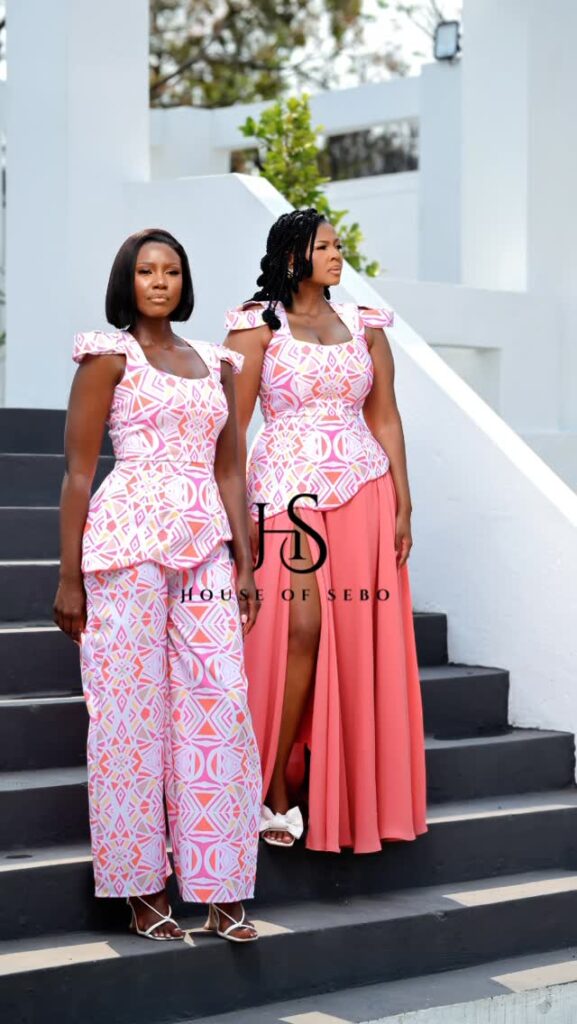
At the core of House of Sebo is a clear target market. The brand is designed for women who embrace their uniqueness and express confidence through their style.
This level of clarity is a strategic advantage. Instead of trying to appeal to everyone, the brand focuses on a specific type of customer. This allows for more intentional design decisions and stronger brand positioning.
The clothing itself is positioned as both fashionable and empowering, offering women a way to express their identity through what they wear. This alignment between product and purpose strengthens the brand’s consistency.
The takeaway for entrepreneurs is practical. Defining your audience clearly makes it easier to create products that truly resonate.
Building a Brand That Goes Beyond Fashion
House of Sebo is not positioned as just a clothing label. It extends its impact into empowerment and social contribution. One of the key ways it does this is through its commitment to hiring and training female employees.
By creating a supportive and inclusive workplace, the brand aligns its internal operations with its external message of empowering women. This consistency builds credibility.
This approach also reflects a broader understanding of what modern consumers value. Customers are increasingly drawn to brands that stand for something beyond their products.
The lesson here is that impact can be integrated into the business model. It does not need to be separate from the core operation.
Sustainability as a Strategic Commitment
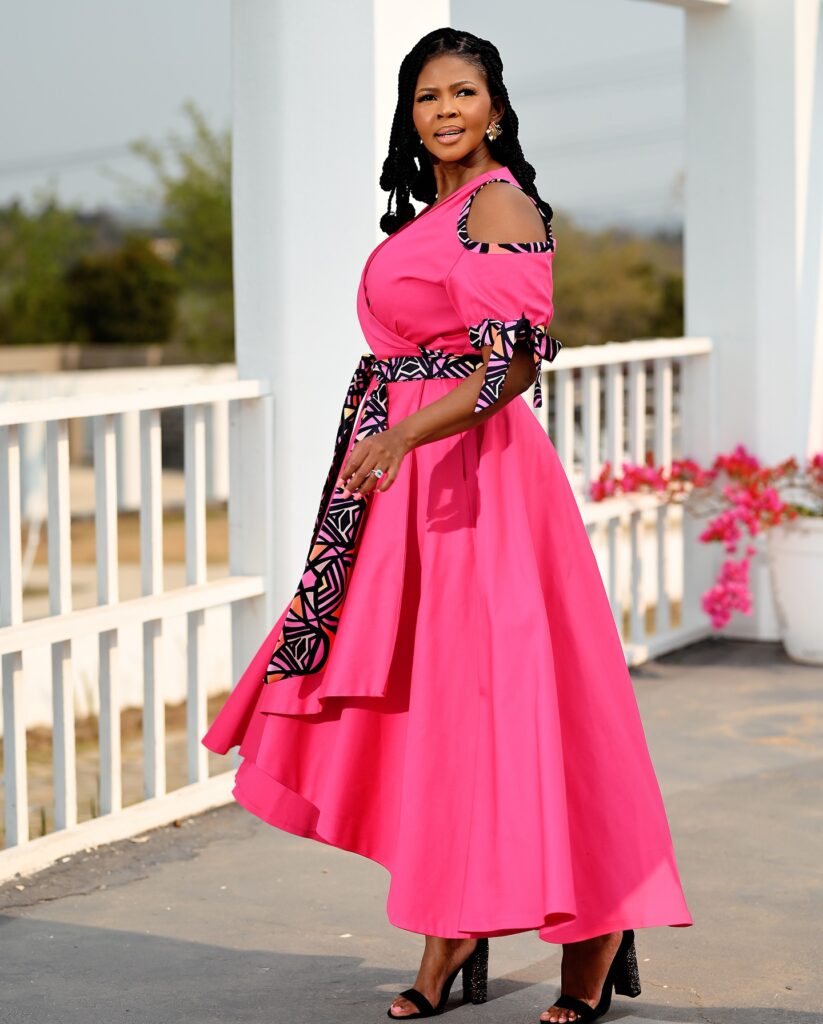
Another defining element of House of Sebo is its focus on sustainability. The brand incorporates eco friendly materials and ethical manufacturing processes as part of its operations.
Sustainability is not presented as a trend but as a commitment. This positions the brand within a growing global movement where consumers are becoming more conscious of how products are made.
For a fashion brand, this is a significant strategic decision. It influences sourcing, production, and pricing. It also creates an opportunity to stand out in a crowded market.
Entrepreneurs can learn from this by recognizing that long term value often comes from responsible practices, even if they require more effort upfront.
Celebrating African Heritage Through Design
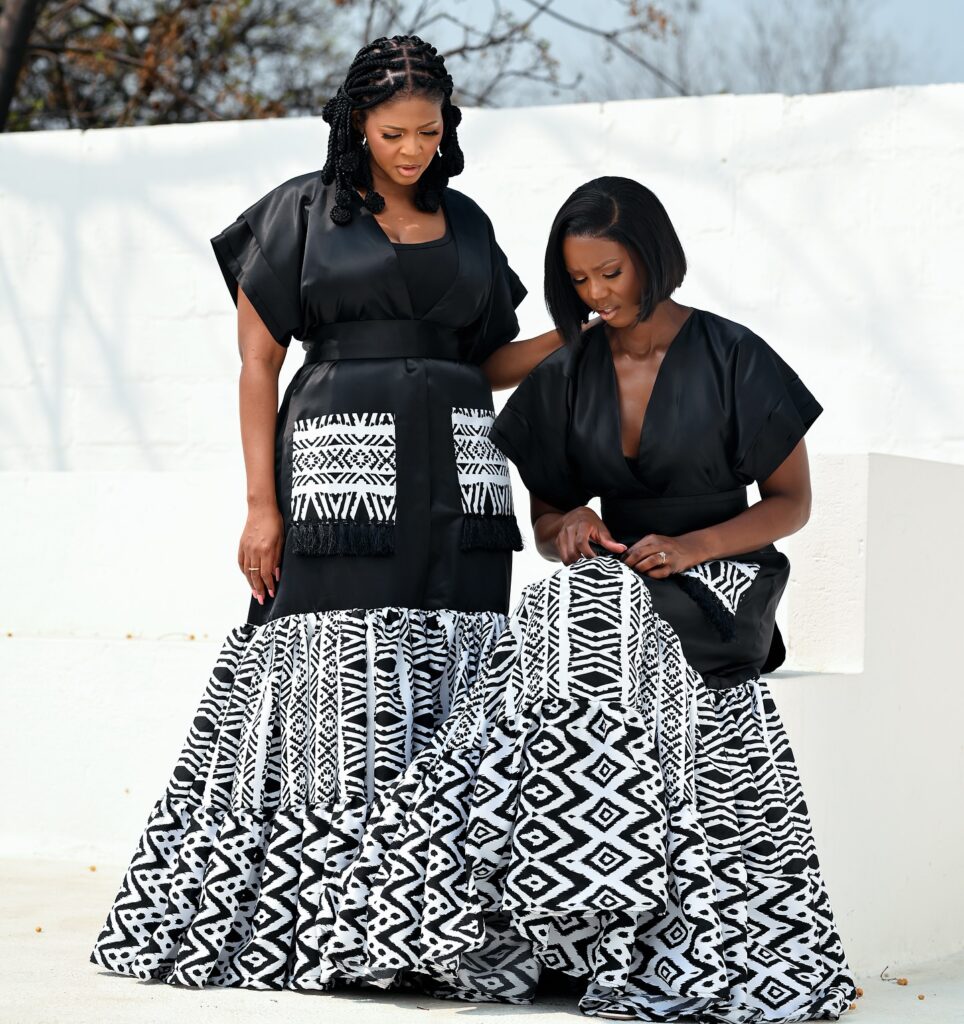
A central pillar of House of Sebo’s identity is its celebration of African heritage. The brand draws inspiration from the continent’s cultural richness, blending traditional elements with contemporary design.
This approach does more than create visually appealing clothing. It contributes to cultural representation and pride. By showcasing African creativity, the brand positions itself within a global conversation about identity and expression.
This is a strategic strength. It differentiates the brand while also giving it a deeper meaning that resonates with customers locally and internationally.
The key lesson here is that cultural authenticity can be a powerful differentiator when it is handled with respect and intention.
What Entrepreneurs Can Learn From House of Sebo
The journey of House of Sebo offers several grounded lessons. Start with what you know and build from your experience. Use personal stories to shape a brand that feels real and relatable.
Be clear about your audience and design products that speak directly to them. Align your business practices with your brand values, whether that is empowerment, sustainability, or community impact.
Most importantly, think beyond the product. House of Sebo shows that a brand can succeed by combining fashion with purpose, creating something that customers connect with on multiple levels.
Through a combination of industry knowledge, personal inspiration, and a clear vision, Disebo Mhlangu has built a brand that reflects more than style. It reflects identity, intention, and the power of building something meaningful.