
When a Stethoscope Was Set Aside: The Calculated Rise of Dr Obakeng Mfikwe in Commercial Farming
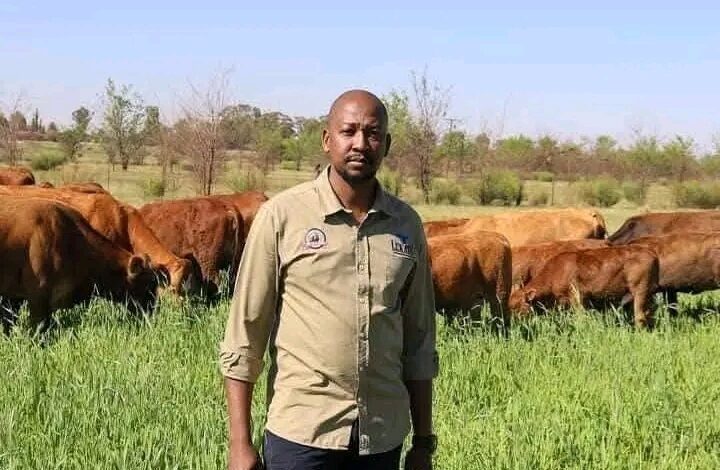
When a Stethoscope Was Set Aside: The Calculated Rise of Dr Obakeng Mfikwe in Commercial Farming. The decision to walk away from a stable profession is rarely simple. For Dr Obakeng Mfikwe, leaving a career in medicine in 2010 was not an impulsive move but a deliberate shift toward building something tangible in agriculture. His journey from qualified medical doctor to commercial farmer reflects a story shaped by timing, calculated risk, and a clear understanding of opportunity.
What followed was not just a career change, but the steady construction of a diversified agricultural business that now spans thousands of hectares and multiple revenue streams.
Recognising Opportunity Before the Leap
Before formally exiting medicine, Dr Mfikwe had already taken a strategic first step into farming. In 2009, he purchased his first Simbra cows. This early move suggests that his transition was not abrupt but carefully planned.
By 2011, his herd had grown to 160 Simbra cows. This rapid scaling within two years highlights an important lesson for entrepreneurs. Growth is rarely accidental. It often follows early validation and the willingness to reinvest aggressively when results begin to show.
The key takeaway here is to start before you are fully ready to leave your primary income source. Testing a business idea while still employed can reduce risk and provide valuable learning before full commitment.
Building a Multi-Layered Farming Operation
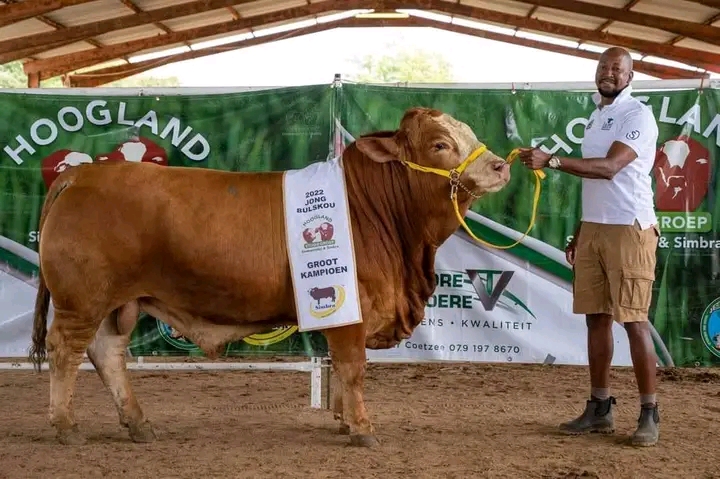
Dr Mfikwe is the founder of KMF Farm Holdings and Lekatu Simbras & Simmentalers. Over time, he expanded his operations into a mixed farming model that includes both livestock and crop production.
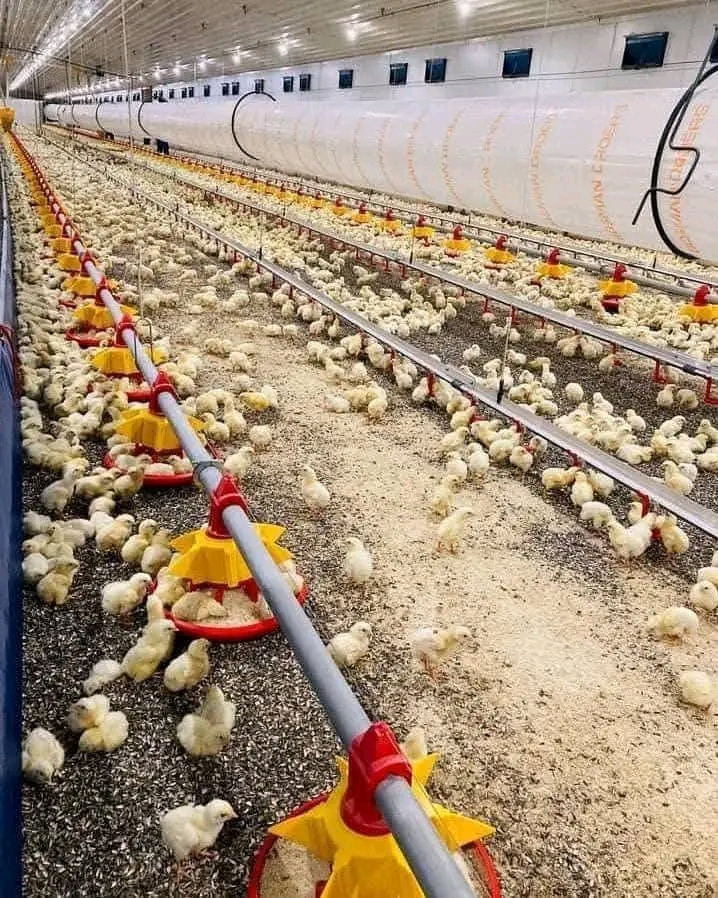
He now manages five farms across North West and Gauteng, covering more than 2800 hectares. His operations include a 170000 broiler unit, 350 cattle made up of Simbra and Simmentaler breeds, and 200 hectares dedicated to maize production.
This level of diversification is a critical strategy. Instead of relying on a single income stream, his business is structured to balance risk across different agricultural activities.
For aspiring entrepreneurs, the lesson is clear. Diversification is not just about growth. It is about protection. When one segment faces challenges, others can sustain the business.
Scaling Through Strategic Expansion
Growth in agriculture requires more than land and livestock. It requires systems, planning, and the ability to scale efficiently.
Dr Mfikwe’s expansion from a small herd to managing multiple farms shows a consistent focus on scaling operations. Each stage of growth appears to build on the previous one, rather than expanding too quickly without structure.
The addition of large scale broiler production and crop farming indicates a move toward operational efficiency and volume driven revenue.
Entrepreneurs can learn from this approach by focusing on scalable systems early. Growth should not outpace the ability to manage it effectively.
Creating Value Beyond Production
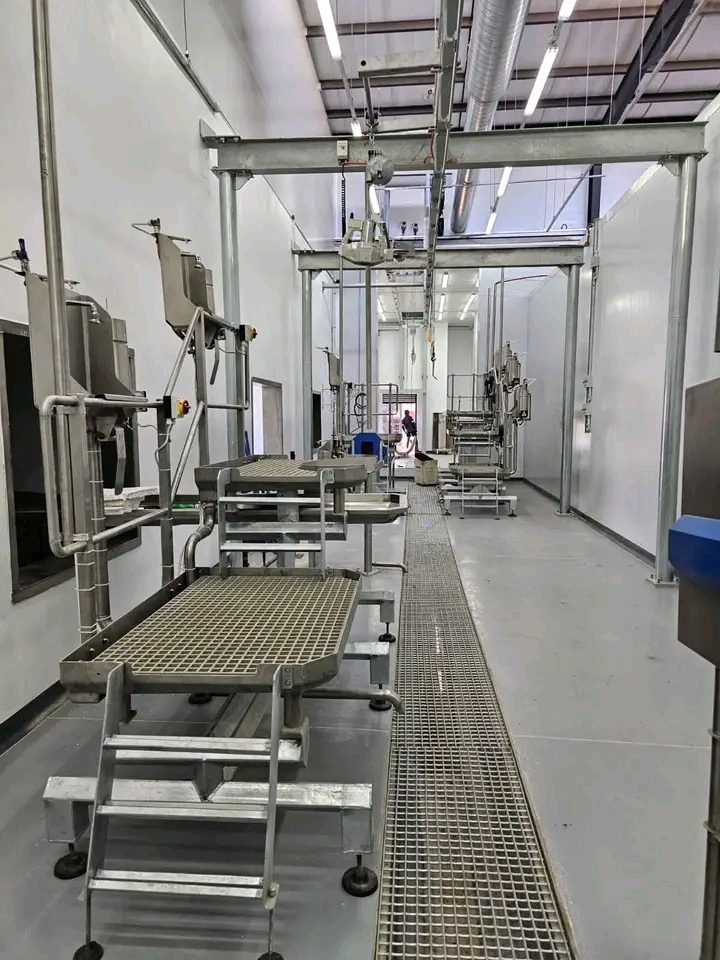
One of the most notable aspects of Dr Mfikwe’s business is his move into meat processing. By owning a meat processing company on his farm, he has extended his value chain beyond primary production.
This shift is significant. Instead of only producing livestock, he participates in processing, which allows for greater control over pricing and product quality.
For business builders, this highlights the importance of vertical integration. Controlling more stages of your value chain can increase margins and reduce dependency on external partners.
It also positions a business to capture more value from the same resources.
Employment as a Measure of Impact
Beyond business growth, Dr Mfikwe’s operations have created employment for hundreds of people. This reflects the broader economic role of agriculture, especially in rural and peri urban areas.
Job creation is not just a byproduct of expansion. It is often a sign that a business has reached operational maturity and sustainability.
For entrepreneurs, this serves as a reminder that scaling a business can create opportunities beyond personal success. It can contribute to community development and economic stability.
Key Lessons from the Journey
Dr Obakeng Mfikwe’s journey offers several practical lessons.
Start early and test your business idea before making a full transition. His initial investment in cattle before leaving medicine provided a foundation for growth.
Focus on scaling with structure. Growth should be intentional and supported by systems that can handle increased demand.
Diversify to manage risk. Multiple income streams can protect a business from industry specific challenges.
Expand your value chain. Moving into processing allowed him to capture more value from his operations.
Build with impact in mind. Creating employment reflects long term sustainability and broader relevance.
A Journey Defined by Intentional Decisions
Dr Mfikwe’s shift from medicine to agriculture was not defined by chance. It was shaped by a series of calculated decisions, each building toward a larger vision.
His story stands as a practical example of what can happen when opportunity is recognised early and pursued with discipline. For those looking to build in agriculture or any other industry, the principles behind his journey remain widely applicable.