Roadside Kitchen: How Antendaho Rafundisani Built a Business With What She Had
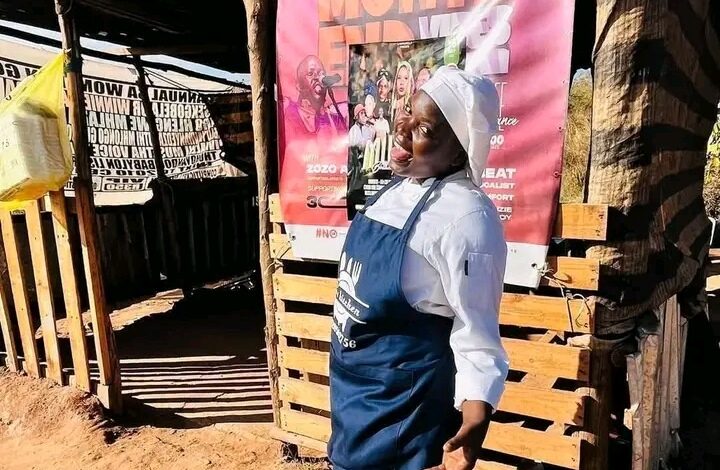
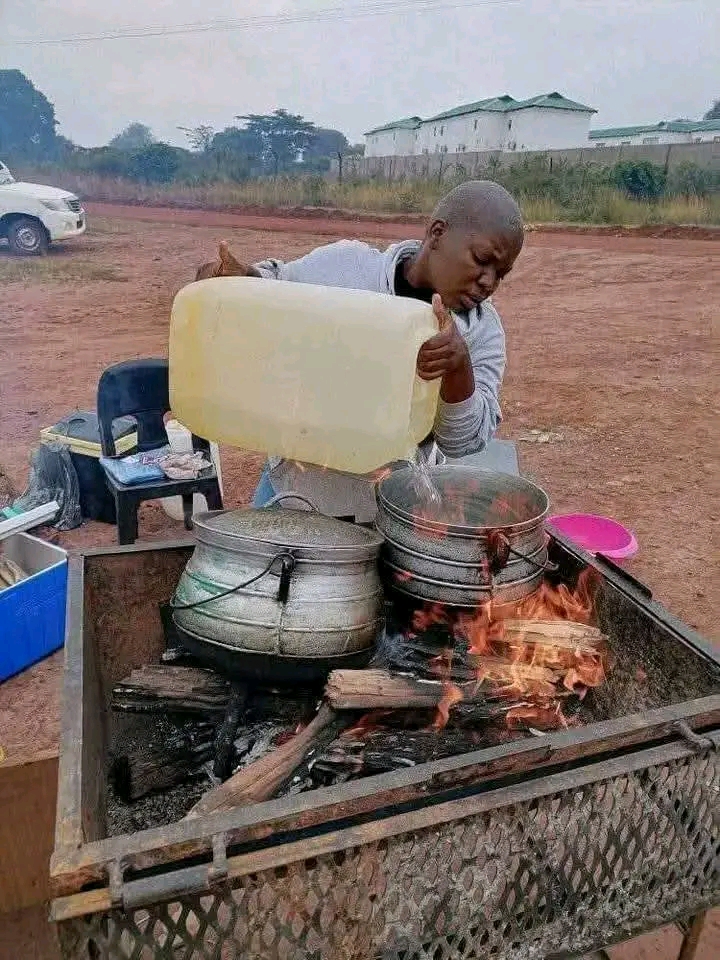
Roadside Kitchen: How Antendaho Rafundisani Built a Business With What She Had. In Venda, Limpopo, Antendaho Rafundisani made a decision that would change her path. With no formal culinary training and limited financial resources, she used her SASSA R350 grant to start a roadside restaurant.
This is where her journey begins, not with capital or infrastructure, but with intent. The choice to invest that grant into a business instead of immediate consumption reflects a mindset that many aspiring entrepreneurs struggle to adopt. It shows a willingness to delay comfort in pursuit of something sustainable.
Her story highlights a powerful starting point. You do not need ideal conditions to begin. What matters is how you use what is already in your hands.
Teaching herself the craft and building confidence
Antendaho is a self taught chef. That detail is important because it speaks to resourcefulness. Without access to formal education or structured mentorship, she developed her skills independently.
In many cases, lack of formal training becomes a psychological barrier. In her case, it became an opportunity to learn through doing. Each meal prepared and sold contributed to both her skill set and her confidence.
For entrepreneurs, this reinforces a practical lesson. Skill gaps can be closed over time through action. Waiting to feel fully ready often delays progress. Starting, even when unprepared, creates momentum that learning alone cannot provide.
Building a menu that meets everyday demand
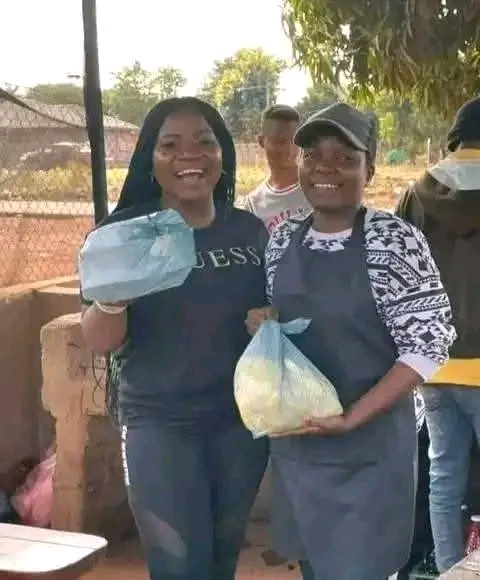
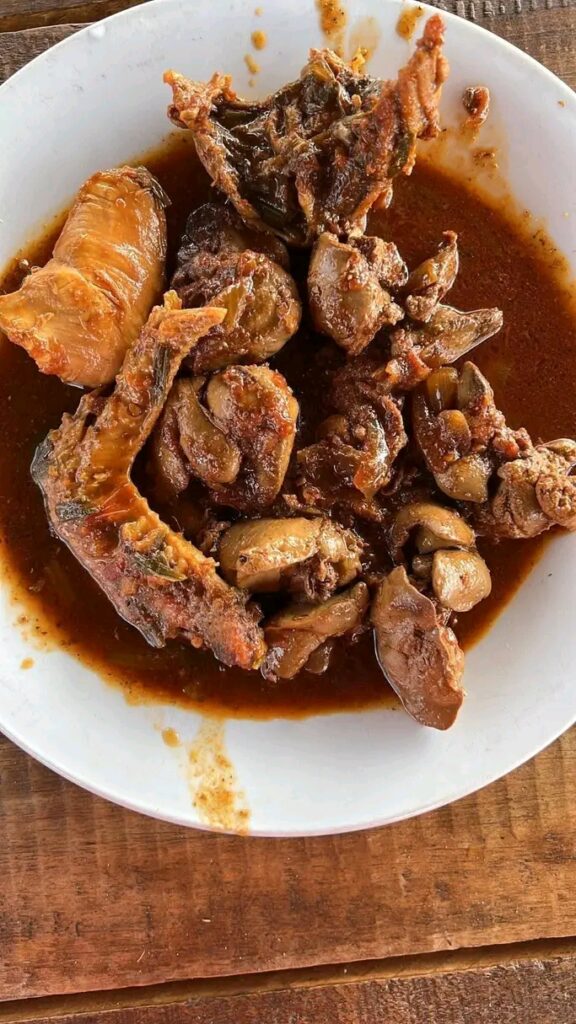
Her roadside restaurant offers a variety of meals including chicken meat, cow meat, salads, chicken intestines, pap, and soft drinks. This is not a random selection. It reflects an understanding of local demand and affordability.
The menu is rooted in familiarity. These are meals that people already know, trust, and are willing to buy regularly. By focusing on accessible food options, she positions her business to attract consistent customers rather than occasional ones.
This is a key strategic move. Instead of trying to introduce something unfamiliar, she aligns her offering with what her market already consumes. For new business owners, this is a reminder to study customer behavior closely. Meeting existing demand is often more effective than trying to create new demand from scratch.
The power of location and visibility
Operating as a roadside restaurant places the business directly in the path of potential customers. This kind of positioning removes the need for expensive marketing in the early stages.
Visibility becomes the marketing strategy. People passing by can see the activity, smell the food, and make spontaneous purchase decisions. This creates a steady flow of walk in customers without relying on digital platforms or paid advertising.
The lesson here is simple but often overlooked. Where you operate can be just as important as what you sell. Accessibility and convenience can significantly influence buying behavior.
Turning necessity into opportunity
The origin of the business is rooted in necessity. The SASSA R350 grant is typically intended for basic support, yet Antendaho used it as seed capital.
This decision reflects a shift in perspective. Instead of viewing limited resources as a constraint, she treated them as an opportunity to start small.
For many aspiring entrepreneurs, funding is seen as the biggest barrier. Her journey challenges that idea. While access to capital can accelerate growth, it is not always required to begin. Starting small allows for testing, learning, and gradual improvement without the pressure of large financial risk.
Consistency as a growth driver
In a roadside business, consistency plays a critical role. Customers return when they know what to expect. Whether it is taste, portion size, or availability, reliability builds trust over time.
Although the business started small, maintaining consistent service and product quality is what sustains it. This is often where many small ventures struggle, especially in the early stages.
The takeaway here is clear. Growth is not only about expansion. It is about maintaining standards daily. Consistency turns first time buyers into repeat customers.
Practical lessons from Antendaho’s journey
The story of Antendaho Rafundisani offers grounded insights that can be applied across different industries.
Start with what you have. Even limited funds can be enough to begin if used strategically.
Learn by doing. Waiting for formal training can delay progress. Action accelerates learning.
Serve what people already want. Align your product with existing demand to increase your chances of success.
Choose your location wisely. Visibility and accessibility can reduce the need for marketing spend.
Stay consistent. Reliability builds trust and keeps customers coming back.
Think long term, even when starting small. Every step forward contributes to a bigger outcome.
A business built on determination, not convenience
Antendaho Rafundisani’s journey is not defined by scale or rapid expansion. It is defined by action, discipline, and the ability to see opportunity where others might see limitation.