
Nkula Cocktail and Wine Boutique and the Rise of a Brand Rewriting the Story
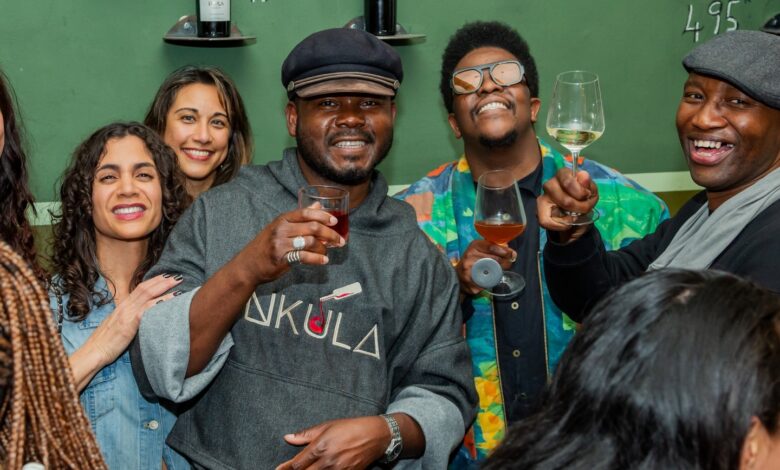
Nkula Cocktail and Wine Boutique and the Rise of a Brand Rewriting the Story. Some businesses are created to sell products. Others are built to challenge an industry and reshape the stories people tell about it. Nkula Cocktail and Wine Boutique belongs firmly in the second category.
At its core, Nkula is more than a wine and cocktail brand. It is a platform rooted in identity, storytelling, and visibility. Guided by what it calls a “Biko Black philosophy,” the brand draws inspiration from Steve Biko’s belief that Black people must shape their own narratives. In an industry where Black and Brown winemakers have historically struggled for recognition, Nkula positioned itself as a space dedicated to celebrating their craft, legacy, and excellence.
That mission gave the brand something many businesses spend years searching for: a clear purpose.
Instead of competing purely on products, Nkula built emotional relevance. Its story offers important lessons about branding, positioning, innovation, and the power of creating businesses that stand for something meaningful.
Building a Brand Around Cultural Purpose
One of the strongest lessons behind Nkula is the importance of purpose driven branding.
From the beginning, the business made its mission unmistakably clear. Nkula exists to spotlight Black and Brown winemakers while reshaping perceptions around African luxury and South African wine culture.
That clarity immediately differentiates the brand.
Many businesses enter crowded industries without a distinct identity. Nkula chose a more strategic route by building its foundation around representation, ownership, and cultural storytelling.
This approach creates stronger emotional connections with customers because people increasingly support brands that align with values they believe in. Nkula’s emphasis on self definition and unapologetic Black excellence transforms the business into more than a retail or hospitality experience.
It becomes part of a larger cultural conversation.
For entrepreneurs, this highlights an important reality: when people emotionally connect with a brand’s mission, loyalty becomes much stronger than ordinary customer satisfaction.
Turning Storytelling Into a Competitive Advantage
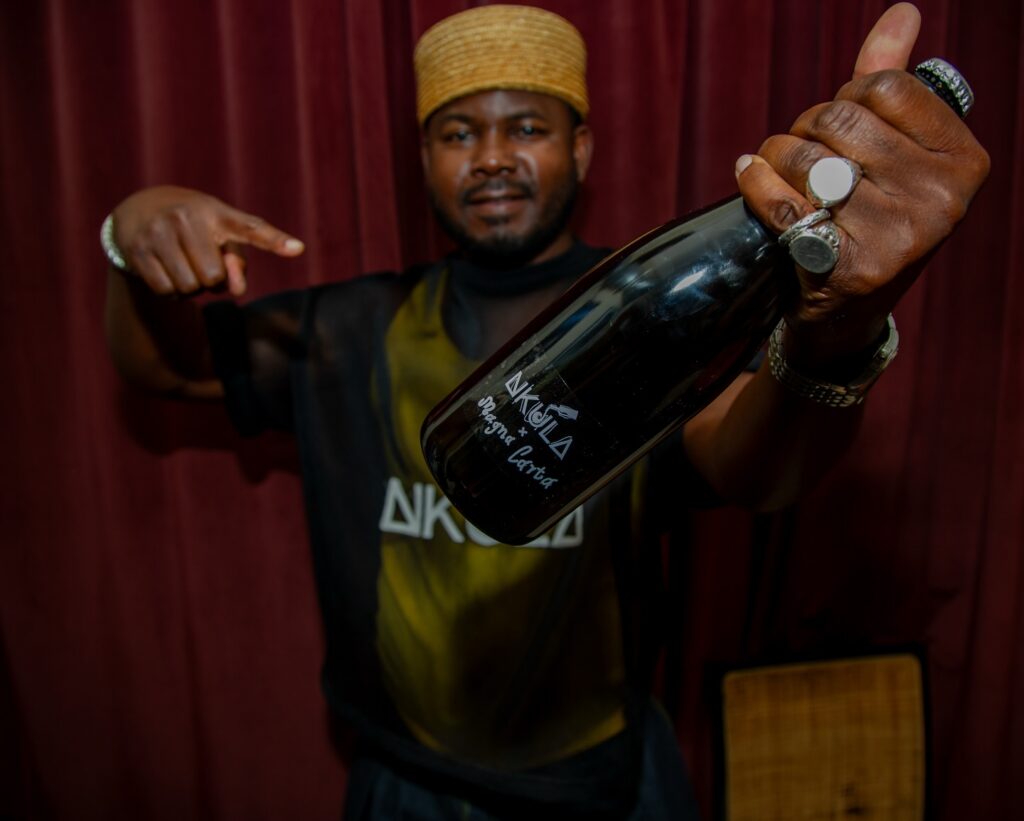
Nkula’s success also reflects the power of storytelling in modern branding.
The business consistently positions its winemakers as storytellers, legacy builders, and custodians of craft. That language matters because it elevates the experience beyond simply purchasing wine.
Customers are not just buying bottles. They are engaging with histories, identities, and personal journeys.
In competitive markets, storytelling often becomes the difference between a forgettable brand and one people actively remember. Nkula understands that modern consumers are drawn toward experiences with emotional and cultural depth.
This strategy is especially powerful in industries tied to lifestyle and luxury. Products alone rarely build lasting emotional attachment. Stories do.
Aspiring entrepreneurs can apply this lesson by asking a critical question: what deeper narrative exists behind the product or service being offered?
Reimagining Luxury Through an African Lens
Another major strength behind Nkula is its approach to luxury.
For decades, luxury branding has often been framed through European traditions and aesthetics. Nkula challenges that norm by presenting African luxury on its own terms.
The brand describes itself as “African luxury told by us, for everyone.” That positioning is powerful because it shifts the conversation from imitation to ownership.
Rather than trying to replicate existing wine culture, Nkula builds its own identity around African excellence, creativity, and craftsmanship.
This type of cultural confidence creates distinction in the marketplace. Customers are increasingly attracted to brands with authenticity and originality rather than businesses that simply follow established formulas.
Nkula demonstrates that modern luxury can feel rooted, intentional, and proudly local while still appealing to broad audiences.
Innovation Through Wine Infused Cocktails
While storytelling and philosophy form the emotional backbone of Nkula, innovation plays an equally important role in its growth.
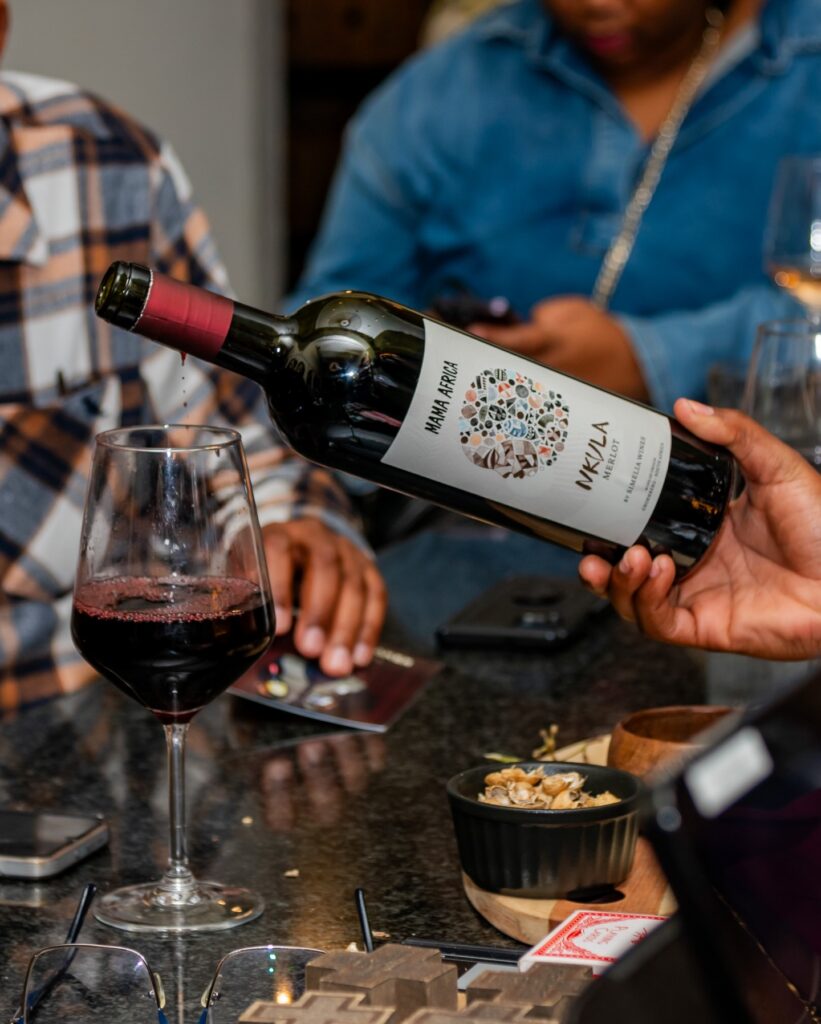
The brand’s wine infused cocktail tastings offer a fresh approach to traditional wine experiences. By blending classic cocktails with South African varietals, Nkula created a unique niche that separates it from more conventional wine spaces.
Drinks like Chenin infused Margaritas and Merlot inspired Negronis introduce customers to wine in a more approachable and creative way.
This strategy broadens the brand’s appeal. Traditional wine culture can sometimes feel intimidating or exclusive to newer audiences. Nkula’s cocktail experiences make wine more accessible while still maintaining sophistication.
Innovation often succeeds when businesses reinterpret familiar experiences rather than inventing entirely new ones. Nkula took recognizable cocktail culture and merged it with South African wine storytelling to create something distinctive.
For entrepreneurs, this is a valuable lesson in finding creative ways to modernize traditional industries.
Creating Visibility in an Overlooked Space
One of Nkula’s most important achievements is its commitment to visibility.
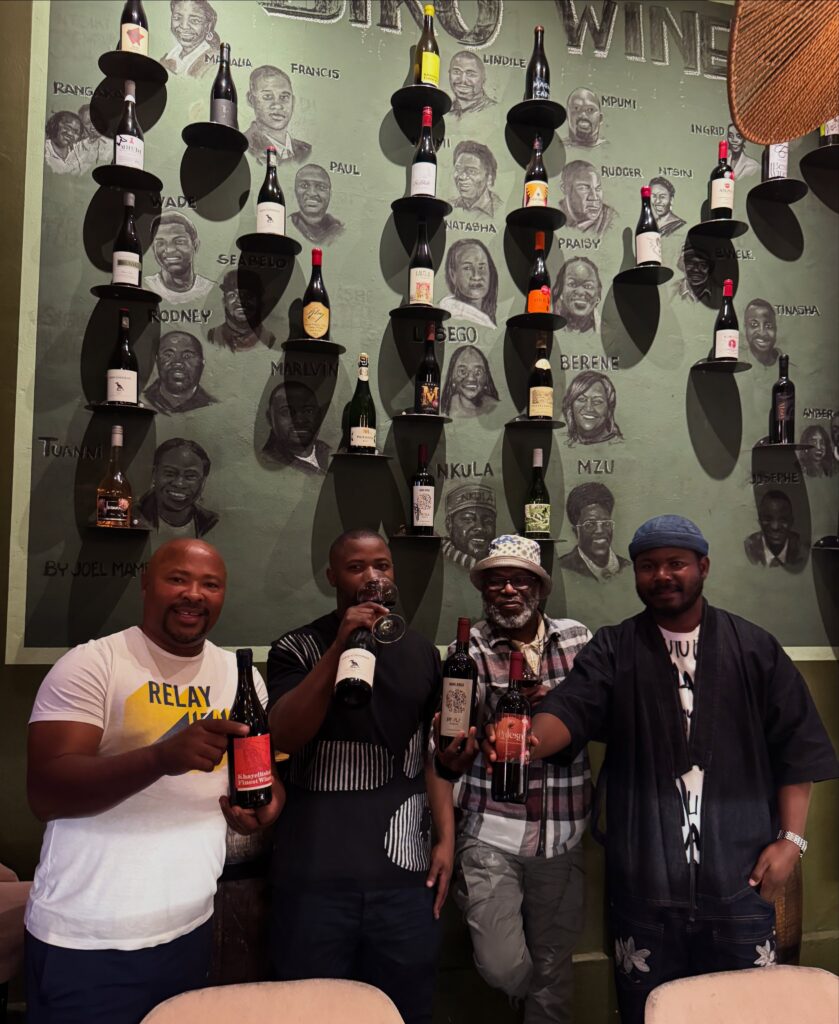
The brand openly acknowledges the historical lack of recognition for Black and Brown winemakers in the industry. Instead of waiting for change to happen elsewhere, Nkula built a platform dedicated to amplifying those voices directly.
That proactive approach transforms the business into a cultural bridge between producers and consumers.
Brands that solve visibility problems often create meaningful long term impact because they fill gaps larger companies may overlook.
Nkula’s focus on representation also creates authenticity. Customers can feel when a business is genuinely invested in its mission rather than simply using social messaging for marketing.
The Bigger Lesson Behind Nkula
Nkula Cocktail and Wine Boutique represents a new generation of African brands that are confidently shaping their own narratives instead of waiting for validation.
Its rise shows that businesses can succeed by combining cultural purpose, innovation, and emotional storytelling into one cohesive identity.
The brand did not rely on generic luxury marketing or conventional wine experiences. Instead, it built a platform rooted in visibility, creativity, and intentional storytelling.