
From Clay to Culture: The Quiet Rise of Nammu & Clay Atelier in Cape Town

From Clay to Culture: The Quiet Rise of Nammu & Clay Atelier in Cape Town. Some brands are built around speed. Others are built around noise. But Nammu & Clay Atelier took a very different path. Its story is slower, quieter, and deeply intentional.
Founded by Jade in Cape Town in early 2021, Nammu & Clay Atelier emerged from years of artistic exploration, material research, and a fascination with clay as both an artistic and emotional medium. What started as a passion project gradually transformed into a respected creative business that collaborates with private clients, restaurants, and farms while also creating space for education through workshops.
The rise of the brand offers a powerful lesson for entrepreneurs: sometimes the strongest businesses are not built by chasing trends, but by developing a distinct creative identity that people cannot easily replicate.
A Creative Foundation Built Long Before the Business
Long before Nammu & Clay Atelier officially existed, Jade’s relationship with ceramics had already begun taking shape.
In 2016, she graduated from the Willem de Kooning Academy in Rotterdam with a research project called Crangon Crangon, which won the WdKA Research Prize that same year. That project marked a turning point because it deepened her interest in ceramics, materials, and the possibilities of clay as an artistic language.
One of the most important lessons from the brand’s journey is that successful businesses are often built on years of invisible preparation. Nammu & Clay Atelier did not suddenly appear fully formed in 2021. Its foundation was created through study, experimentation, and curiosity long before the business officially launched.
For aspiring entrepreneurs, this highlights the value of developing expertise before scaling a brand. Skills and knowledge compound over time, even when there is no immediate financial reward.
Creating a Brand With Emotional Depth
The name Nammu itself reveals how carefully the brand identity was constructed. Nammu comes from Ancient Mesopotamian religion and refers to the Goddess of the sea and the Waters of Creation.
That decision immediately separates the brand from businesses built purely around products. Nammu & Clay Atelier is not simply selling ceramics. It is selling symbolism, mythology, ritual, and emotional connection.
Jade’s work draws inspiration from ancient pottery, mythology, rituals, femininity, and the natural textures of earthy and wild clays. These influences create a visual and emotional consistency that strengthens the brand’s identity.
This is one of the clearest reasons creative businesses succeed. Customers are not only purchasing objects. They are buying into a feeling, a worldview, and a story.
Entrepreneurs across industries can learn from this approach. Strong brands are rarely random. The most memorable companies intentionally build meaning into everything from their name to their visual identity and customer experience.
Turning Craftsmanship Into a Competitive Advantage
Modern consumers are surrounded by mass produced products. That environment has created new opportunities for businesses rooted in craftsmanship and authenticity.
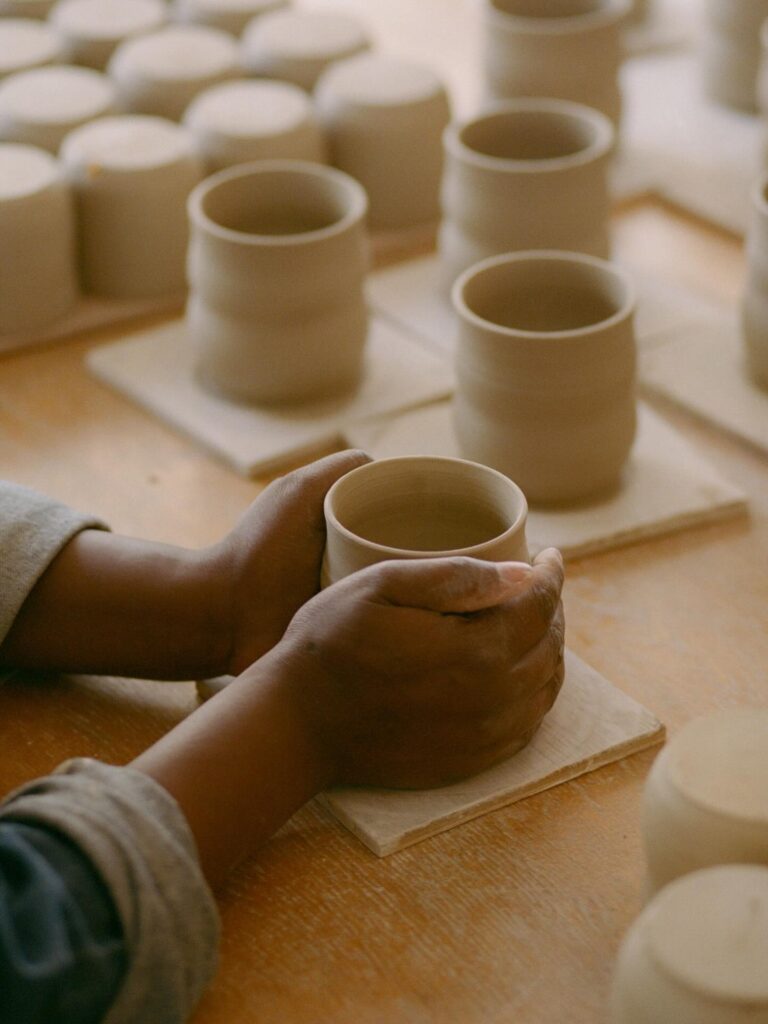
Nammu & Clay Atelier embraces irregular textures, earthy materials, and handmade processes rather than hiding them. Instead of trying to imitate factory perfection, the brand celebrates the imperfections and individuality of each ceramic object.
That decision reflects a broader shift happening in consumer behaviour. Many people increasingly value products that feel human and personal.
For entrepreneurs, this offers an important lesson: differentiation does not always come from adding more features. Sometimes it comes from leaning deeper into what makes your process unique.
Jade’s work demonstrates confidence in her artistic process, and that confidence becomes part of the product itself.

Building Community Around the Brand
One of the smartest aspects of Nammu & Clay Atelier’s growth is that the business extends beyond selling ceramics.
Inside what Jade describes as her “little Clay Sanctuary,” she works alongside a team of women while also offering workshops that allow others to explore the world of clay.
This transforms the business from a transactional brand into a community driven creative space.
Workshops are particularly powerful because they deepen customer relationships. People who learn inside a brand’s environment often become emotionally invested in its journey. They are no longer just buyers. They become participants.
For entrepreneurs, this highlights the long term value of building experiences around products. Businesses that educate, involve, or inspire customers often create stronger loyalty than businesses focused only on sales.
Collaboration as a Growth Strategy
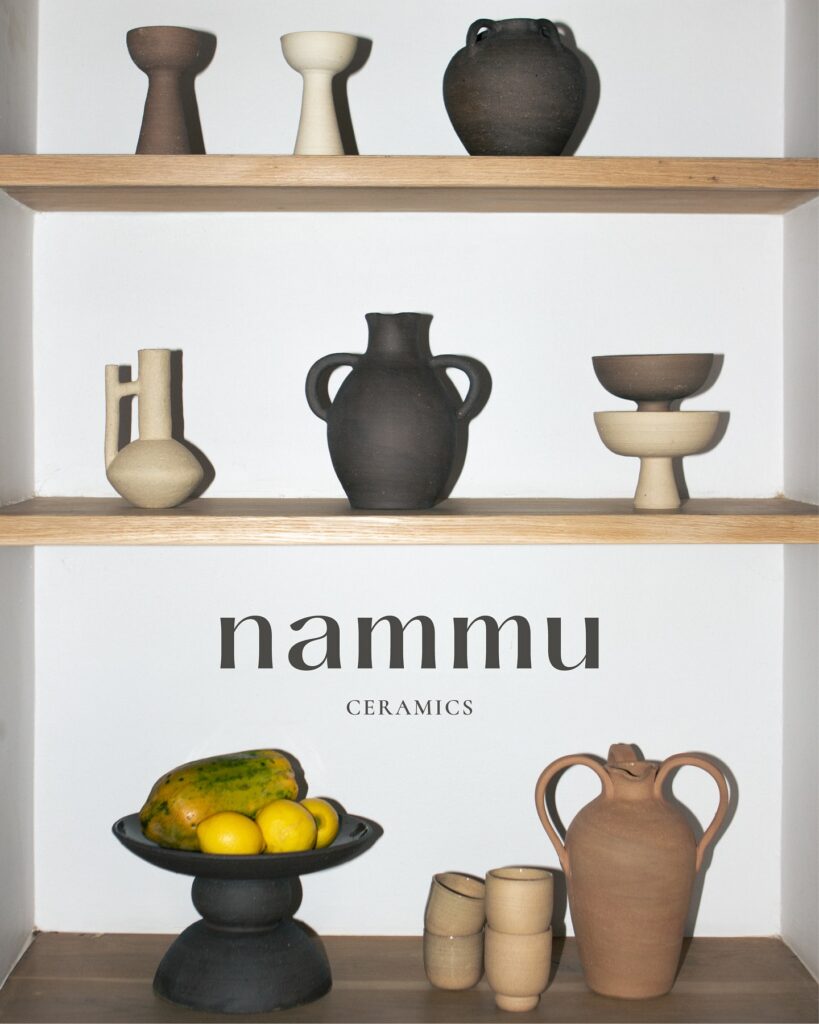
Over the years, Nammu & Clay Atelier has collaborated with local and international private clients, restaurants, and farms to create exclusive tableware, decor, and ritualware.
These collaborations matter because they expand the visibility of the brand without diluting its identity.
Rather than trying to become everything to everyone, the atelier stayed focused on its niche while allowing strategic partnerships to introduce the work to new audiences.
This is an important growth lesson. Expansion becomes more sustainable when it aligns naturally with a brand’s strengths instead of forcing it into unfamiliar territory.
The Bigger Lesson Behind Nammu & Clay Atelier
The journey of Nammu & Clay Atelier shows that creativity and business do not have to exist separately. Jade built a brand by trusting her artistic instincts, refining her craft, and creating work rooted in meaning and material honesty.
There is no evidence of shortcuts in this story. No overnight success narrative. Instead, the growth of the brand appears tied to patience, consistency, and a willingness to develop a clear creative voice over time.
For aspiring entrepreneurs, that may be the most valuable lesson of all. In crowded industries, originality is difficult to fake. Businesses that remain deeply connected to their purpose often create the strongest and most lasting impact.