Woven With Purpose: How Stuart Holding Turned Mungo Into a South African Textile Brand
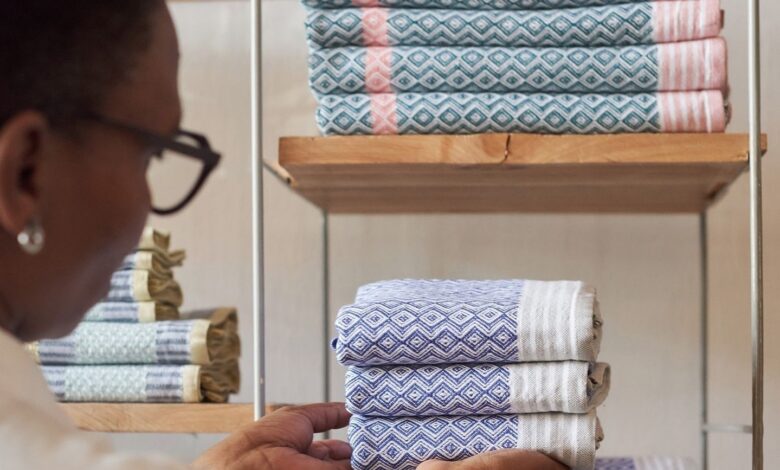
Woven With Purpose: How Stuart Holding Turned Mungo Into a South African Textile Brand. Long before sustainability became a global marketing trend, Stuart Holding was focused on something much simpler and far more difficult to achieve: creating textiles that would last.
The story of Mungo does not begin in a massive industrial factory or a corporate boardroom. It begins in 1998 with two restored antique looms, an old barn and a master weaver determined to preserve the art of weaving while building products with integrity.
Today, Mungo has grown into a GOTS certified South African homeware textile company with its own mill, multiple stores and an international presence. Yet despite the expansion, the brand has remained rooted in the same principles that shaped its beginnings: craftsmanship, transparency, ethical production and timeless quality.
The rise of Mungo offers important lessons for entrepreneurs about building brands slowly, intentionally and with values that customers can genuinely trust.
Starting Small With a Clear Philosophy
One of the most powerful aspects of Mungo’s journey is how modestly it began.
Stuart Holding used two antique looms to create limited runs of woven homeware textiles from what he described as a “working weaving museum.” Passersby could watch him work in the old barn while the finished products were sold in his wife Janet’s shop.
That detail matters because it reveals an important entrepreneurial principle. Mungo was never only selling products. It was selling process, craftsmanship and story from the very beginning.
Customers were not disconnected from how the textiles were made. They could witness the weaving process firsthand. That openness helped create emotional value around the products.
Many entrepreneurs focus only on the final product without thinking about the experience surrounding it. Mungo understood early that people connect deeply with authenticity and visible craftsmanship.
Growing Through Demand Instead of Hype
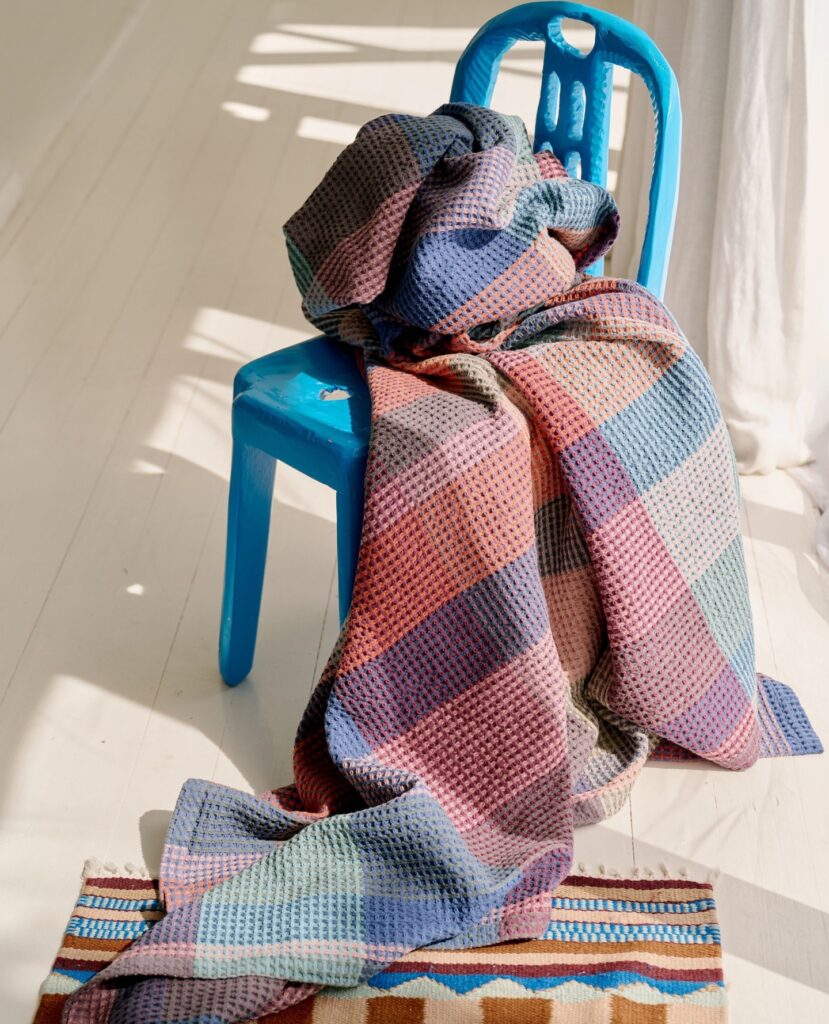
As demand increased, Mungo expanded production into a mill housed in an old dairy building nearby. Years later, the business continued growing into its own dedicated mill and multiple retail stores across South Africa.
What stands out in this journey is the pace and nature of the expansion.
The brand did not appear to chase rapid scaling at the expense of quality. Instead, growth seems to have followed customer demand and operational readiness.
That distinction is important.
Many businesses grow too quickly before their systems, quality control or identity are fully established. Mungo’s approach demonstrates the strength of controlled expansion built around preserving the integrity of the product.
For entrepreneurs, the lesson is clear. Sustainable growth often comes from mastering the foundation before aggressively pursuing scale.
Turning Transparency Into a Competitive Advantage
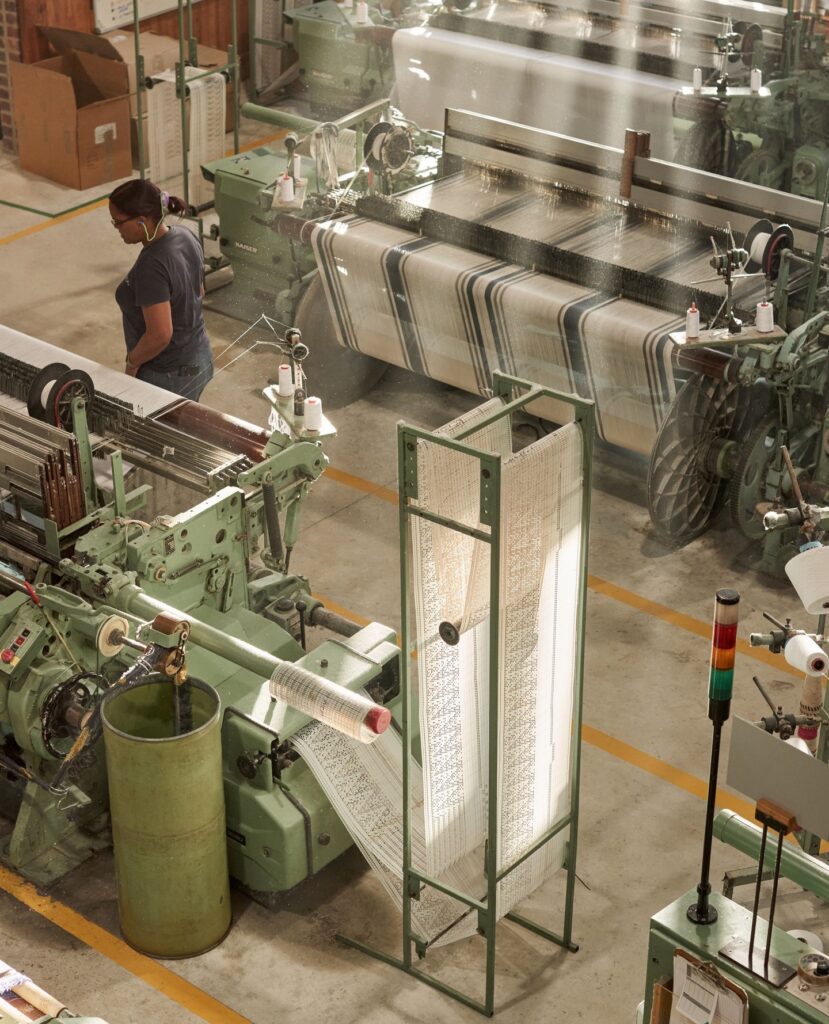
In 2017, Mungo fulfilled a long held ambition by building its own mill near Stuart’s original barn and flagship store at Old Nick Village. What makes this milestone especially significant is that the entire mill was designed to remain open to the public.
That decision reflects one of the brand’s most innovative strategies: radical transparency.
Most manufacturing processes are hidden behind factory walls. Mungo chose the opposite approach by inviting customers into the production journey.
This openness strengthens trust.
Customers increasingly want to know where products come from, how they are made and whether businesses operate ethically. Mungo transformed transparency into part of its customer experience and brand identity.
Entrepreneurs across industries can learn from this approach. Trust becomes stronger when businesses openly show the care, process and standards behind what they create.
Why Sustainability Became Central to the Brand
Another major turning point came when Mungo pursued Global Organic Textile Standard certification.
After undergoing an audit process, the company became South Africa’s first GOTS certified textile weaving mill. This certification reinforced the brand’s commitment to environmentally and socially responsible production throughout the supply chain.
Importantly, Mungo’s sustainability philosophy extends beyond certifications alone.
The company openly challenges the textile industry’s obsession with lowering production costs at the expense of workers, quality and environmental responsibility. Instead of compromising on raw materials or manufacturing standards, Mungo focuses on producing heirloom quality textiles designed to stand the test of time.
This approach highlights a critical business lesson. Long term brands are often built by refusing shortcuts that weaken product integrity.
In industries flooded with disposable products, durability itself becomes a differentiator.
Creating Emotional Value Beyond Price
One of Mungo’s strongest insights is its belief that value is not determined only by price.
That philosophy shapes the company’s approach to weaving, sourcing and sustainability. The textiles are designed to be treasured rather than discarded.
This mindset is increasingly relevant in a world dominated by fast consumption. Customers are beginning to value longevity, craftsmanship and conscious purchasing decisions more than endless cheap alternatives.
Mungo recognised that emotional value matters just as much as functionality.
People are not simply buying woven goods. They are buying into an idea of thoughtful living, responsible production and timeless design.
For entrepreneurs, this reveals an important truth. Strong brands create emotional meaning around their products.

The Bigger Lesson Behind Mungo
At its core, Mungo’s story is about resisting disposable culture.
Stuart Holding built a business around patience, craftsmanship and integrity in an industry often driven by speed and cost cutting. From two antique looms in an old barn to an internationally recognised textile company, the journey proves that businesses rooted in quality and authenticity can grow steadily over time.
The brand also demonstrates that transparency is no longer optional in modern business. Customers increasingly reward companies that openly communicate how products are made and what values guide production.
For aspiring entrepreneurs, the lessons behind Mungo are practical and enduring. Start with strong principles. Build products that last. Grow at a sustainable pace. Let customers see your process. And never sacrifice long term trust for short term shortcuts.