
Raw Cacao Experiments to a Respected Bean-to-Bar Brand: The Honest Chocolate Story
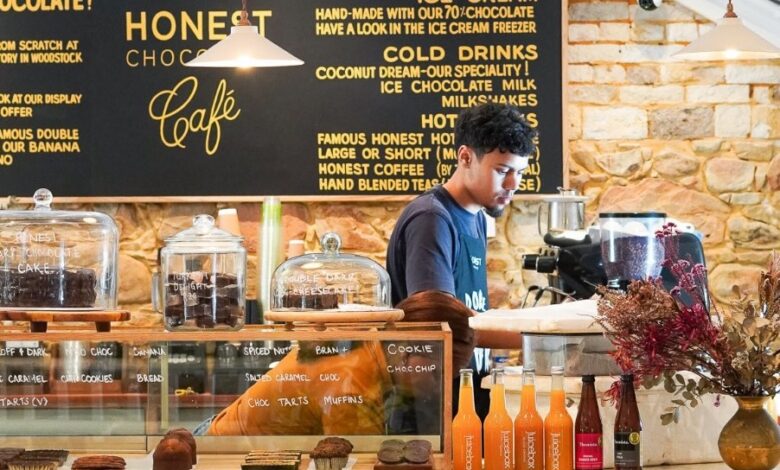
Raw Cacao Experiments to a Respected Bean-to-Bar Brand: The Honest Chocolate Story. Great brands are rarely born in boardrooms. More often, they begin with curiosity, persistence, and a willingness to obsess over small details that others overlook. Honest Chocolate is one of those stories.
Long before the brand became known for handcrafted bean-to-bar chocolate in Cape Town, it started with experimentation in a kitchen. Anthony, one of the founders, began making simple chocolates from raw cacao powder as healthy treats for himself and friends. The reaction was immediate. The chocolates disappeared almost instantly, and people kept asking for more.
That moment mattered because it revealed something many entrepreneurs miss: genuine customer excitement is often the strongest early business signal.
What followed was not overnight success, but a slow and intentional process of learning the science, sourcing, ethics, and craftsmanship behind chocolate making. Over time, Honest Chocolate evolved into a respected artisanal brand built on transparency, ethical sourcing, and a commitment to preserving the authentic flavour of cacao.
Starting Small and Letting Curiosity Lead the Business
One of the most important lessons behind Honest Chocolate’s growth is that the founders allowed curiosity to guide the business before scale became the priority.
Anthony spent months teaching himself the art and science of chocolate making. At the same time, Michael was experimenting with raw chocolate while living in London. When he returned to Cape Town and joined the venture, the partnership formed around shared passion rather than corporate ambition.
That foundation shaped the culture of the company.
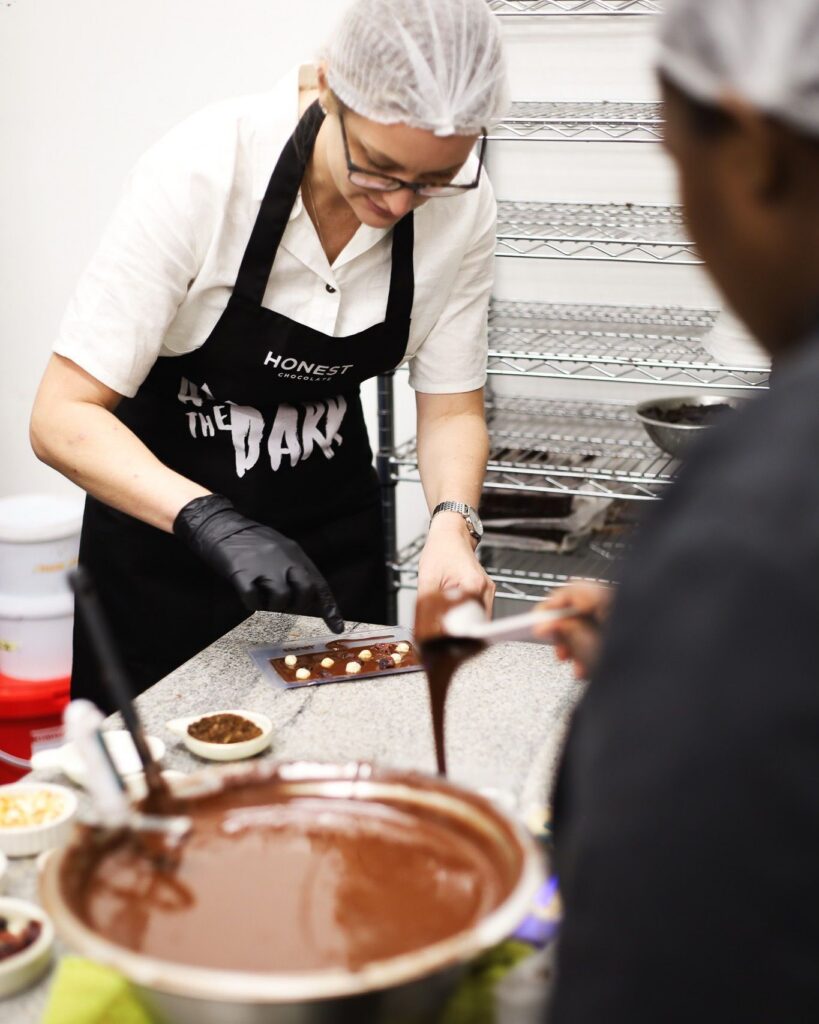
Instead of rushing to mass production, Honest Chocolate embraced small batch craftsmanship and old-school chocolate-making methods. The business focused on understanding cacao deeply, from sourcing to roasting to grinding and tempering.
For aspiring entrepreneurs, this offers an important reminder: expertise creates differentiation. Businesses built around deep knowledge and genuine passion often develop stronger identities than businesses built purely around trends.
Why Ethical Sourcing Became a Strategic Advantage
Many brands speak about ethics as a marketing tool. Honest Chocolate embedded ethics directly into its operational philosophy through what it calls “The Chain of Positivity.”
The company prioritises sourcing that is local, organic, and fair, while also considering environmental impact and accountability throughout the supply chain.
This approach became one of the brand’s defining strengths.
The founders understood that modern consumers increasingly care about how products are made, where ingredients come from, and whether businesses treat people and the environment responsibly. Instead of treating those concerns as secondary, Honest Chocolate made them central to the brand story.
One of the clearest examples of this commitment was the company’s transition from using raw cacao from Ecuador to organically produced Tanzanian cacao beans supplied by Kokoa Kamili. Finding and building that relationship reportedly took three years.
That patience reveals another powerful entrepreneurial lesson: long-term credibility often requires slow decision-making. Honest Chocolate resisted the temptation to prioritise convenience over alignment with its values.
In a business world obsessed with speed, the company showed that careful sourcing can become a competitive advantage.
Protecting Product Identity in a Crowded Market
The chocolate industry is filled with heavily processed products designed for consistency and mass appeal. Honest Chocolate deliberately moved in the opposite direction.
The company focuses on showcasing the uniqueness and origin of every batch of cacao beans rather than masking flavours with excessive sugar or overpowering ingredients. That decision positioned the brand within the growing bean-to-bar movement, where craftsmanship and flavour transparency matter deeply.
This strategy helped Honest Chocolate stand out without needing to compete directly against industrial chocolate manufacturers.
Instead of trying to be everything to everyone, the brand leaned into specificity. It built a customer base that values authenticity, handcrafted quality, and distinctive taste experiences.
Entrepreneurs can learn a great deal from this approach. Trying to appeal to everyone often weakens a brand identity. Honest Chocolate succeeded by understanding exactly what it wanted to represent and building consistency around that vision.
Building a Brand Through Emotion and Experience
One of the most overlooked strengths behind Honest Chocolate’s rise is emotional storytelling.
The company frequently speaks about the joy of watching people taste its chocolate for the first time. That detail may seem small, but it reveals a deeper philosophy. Honest Chocolate is not only selling chocolate. It is selling discovery, surprise, and sensory experience.
That emotional layer matters enormously in modern branding.
Customers remember how products make them feel. Honest Chocolate built a narrative around craftsmanship, creativity, collaboration, and conscious production. Those elements transformed the brand from a simple product business into something people emotionally connected with.
The lesson for entrepreneurs is clear: strong brands create emotional experiences around their products. Features and ingredients matter, but emotional resonance creates loyalty.
Growing Without Losing the Original Vision
As Honest Chocolate expanded from kitchen experiments into a recognised artisanal chocolate company, it maintained the principles that defined its early days.
The brand still emphasises handcrafted production, careful sourcing, ethical accountability, and flavour integrity. That consistency has helped strengthen trust with customers.
Many businesses lose their identity while growing. Honest Chocolate demonstrates that expansion does not have to mean abandoning craftsmanship or values.
Its journey shows that success can come from staying intentional, staying patient, and refusing to compromise on the standards that made people care about the product in the first place.