The Rise of South Yeaster Bakery: How Two Chefs Turned Lockdown Uncertainty Into a Cult Favourite
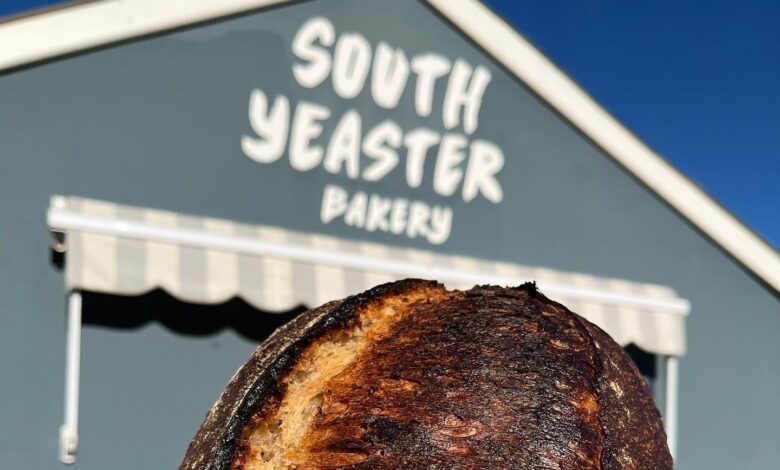
The Rise of South Yeaster Bakery: How Two Chefs Turned Lockdown Uncertainty Into a Cult Favourite. The smell of fresh sourdough has a way of slowing people down. It pulls strangers through doors, sparks conversation, and turns ordinary mornings into rituals. For brother and sister duo Brode and Amber, bread became far more than food. It became the foundation of a growing business shaped by timing, adaptability, craftsmanship, and an obsession with doing things properly.
South Yeaster Bakery was not born from a polished business plan or massive investment. The bakery emerged during lockdown, at a time when uncertainty forced many people to rethink their future. What started as testing recipes, researching techniques, and working with small batches eventually evolved into a respected artisanal sourdough bakery with a loyal following and a distinct identity.
Their journey offers important lessons for entrepreneurs trying to build brands in crowded markets. South Yeaster Bakery proves that businesses do not always grow because they move fastest. Sometimes they grow because they move with intention.
Returning Home Became the First Turning Point
Before South Yeaster Bakery existed, both founders were pursuing separate culinary journeys abroad.
Brode had spent time overseas but found the winters in France and Germany too harsh, while Amber’s experience in the UAE came with challenges of its own. Eventually, both returned to Cape Town and found themselves back on familiar ground, carrying international culinary experience but uncertain about what would come next.
That return home became the first major turning point.
Instead of seeing the situation as failure or setback, they used it as an opportunity to build something together. Many entrepreneurs overlook how important timing and adaptability are in business. South Yeaster Bakery did not emerge from rigid planning. It emerged from paying attention to changing circumstances and responding creatively.
The founders describe their journey not as “humble beginnings” but as “flowing with the times.” That mindset became one of the bakery’s greatest strengths.
Entrepreneurs often waste energy trying to force outcomes. Brode and Amber instead focused on adjusting to reality while staying close to their skills and passion.
Lockdown Forced Creativity Instead of Paralysis
The lockdown period became another defining moment for the business.
While many industries slowed down, Brode and Amber used the time to experiment. They tested recipes, researched techniques, sampled products repeatedly, and refined their approach to sourdough baking. Instead of waiting for certainty, they focused on improvement.
This stage of the story highlights an important entrepreneurial lesson: difficult periods can become development periods.
Many successful businesses are shaped quietly before the public notices them. The hours spent researching flour, fermentation, and baking processes during lockdown became the invisible foundation of South Yeaster Bakery’s future quality and consistency.
That commitment to learning also helped the bakery develop its own identity. The founders leaned into personality and community, eventually describing the growing customer base as a “dirty bread cult,” a phrase that instantly feels memorable and different from generic bakery branding.
It was not corporate language. It sounded human, playful, and authentic.
That authenticity matters because customers connect emotionally with brands that feel real.
Knowledge Became a Competitive Advantage
One of the most striking aspects of South Yeaster Bakery’s story is its focus on understanding ingredients at a deeper level.
For many bakeries, flour is simply a product delivered by suppliers. For South Yeaster Bakery, flour became part of a larger story connected to farmers, grains, and milling processes.
The founders speak about chatting with farmers who grow the wheat and understanding how grains are milled. That attention to detail transformed sourcing into part of the bakery’s identity.
This approach created a major competitive advantage.
Modern consumers increasingly want transparency. They want to know where products come from, how they are made, and what values businesses stand for. South Yeaster Bakery turned ingredient knowledge into customer trust.
Entrepreneurs can learn an important lesson from this. Businesses become stronger when founders understand the entire chain behind their product instead of only focusing on the final sale.
The more knowledge a business has about its craft, the more difficult it becomes to imitate.
Building Community Instead of Chasing Transactions
Another reason South Yeaster Bakery stands out is its emphasis on community.
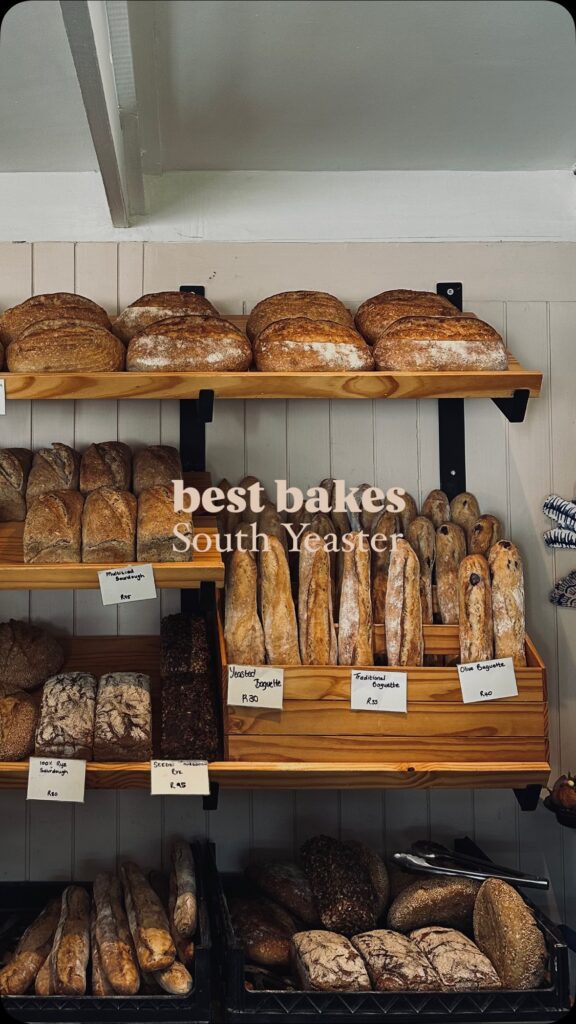
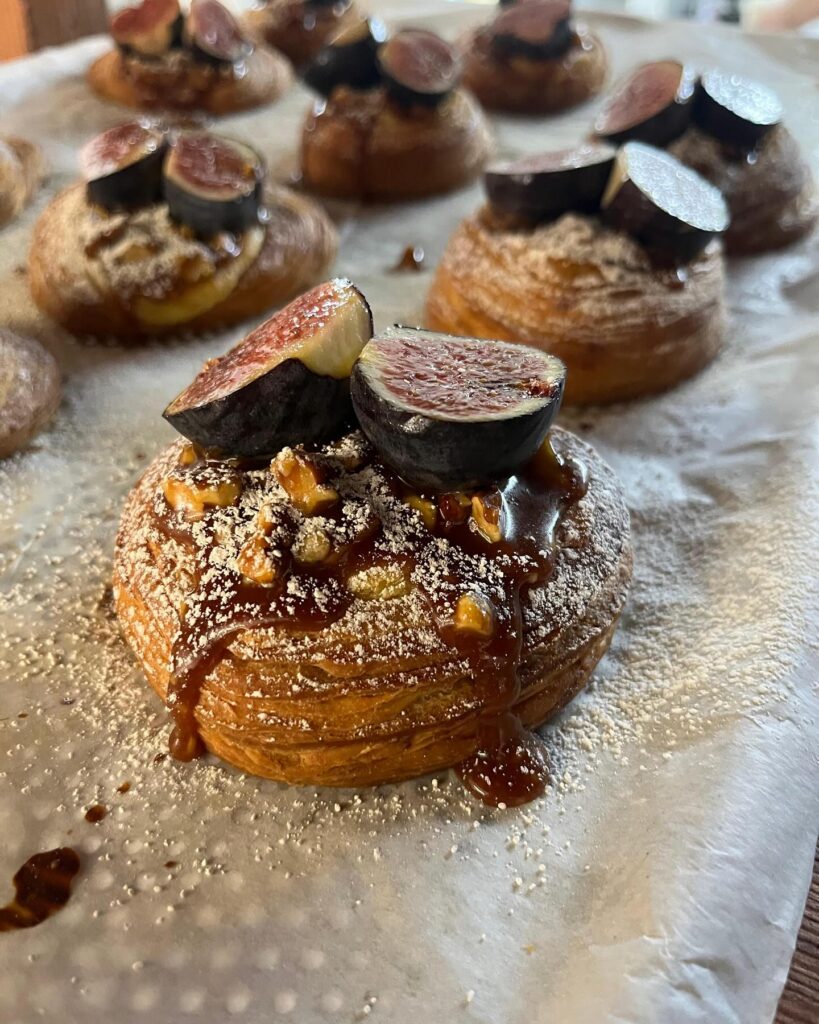
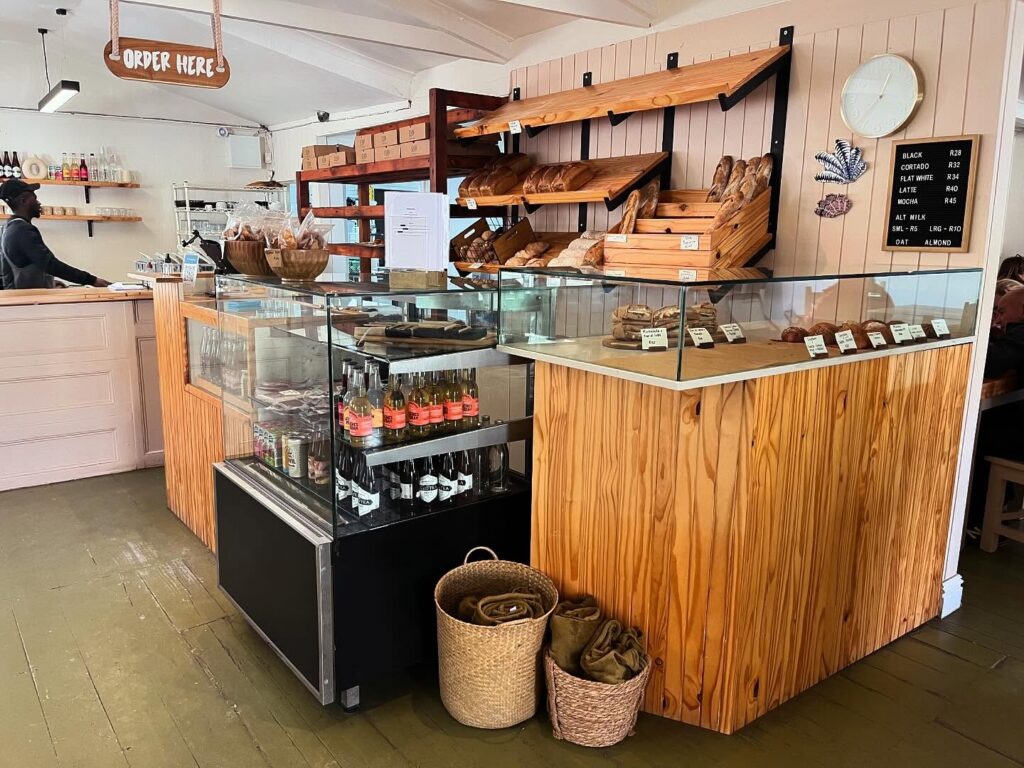
The bakery does not position itself as a factory producing mass-market goods. Instead, it focuses on small batches, naturally leavened breads, and handcrafted pastries made directly by the founders and their team.
That human element matters.
Customers today are surrounded by automated experiences and mass production. Brands that create emotional connection often outperform businesses focused only on efficiency.
South Yeaster Bakery built loyalty by making customers feel part of the process. The founders openly share their passion for local produce, craftsmanship, and learning. That openness turns customers into supporters rather than occasional buyers.
For entrepreneurs, this highlights another critical lesson: community can become one of the strongest forms of marketing.
People naturally talk about businesses that feel personal, thoughtful, and authentic.
Growing Organically Without Losing Identity
One of the biggest challenges businesses face after gaining attention is maintaining quality while growing. South Yeaster Bakery’s approach to organic growth reflects discipline and patience.
Rather than scaling recklessly, the bakery has focused on preserving the quality and philosophy that made people care in the first place.
That restraint is important.
Fast growth can damage brands when operations expand faster than quality control. South Yeaster Bakery’s small batch approach allows the founders to maintain consistency while protecting the identity of the business.
The broader lesson is clear: growth should strengthen a brand, not dilute it.
South Yeaster Bakery shows that success is not only about selling bread. It is about building trust, staying curious, understanding the craft deeply, and creating experiences people genuinely want to return to.