Where Stories, Food and Design Meet: The Rise of De Eetkamer’s Shared Dining Experience
Where Stories, Food and Design Meet: The Rise of De Eetkamer’s Shared Dining Experience. Some restaurants compete through size. Others compete through trends. But De Eetkamer built its identity around something quieter and far more lasting: atmosphere, storytelling, and the emotional power of shared meals.
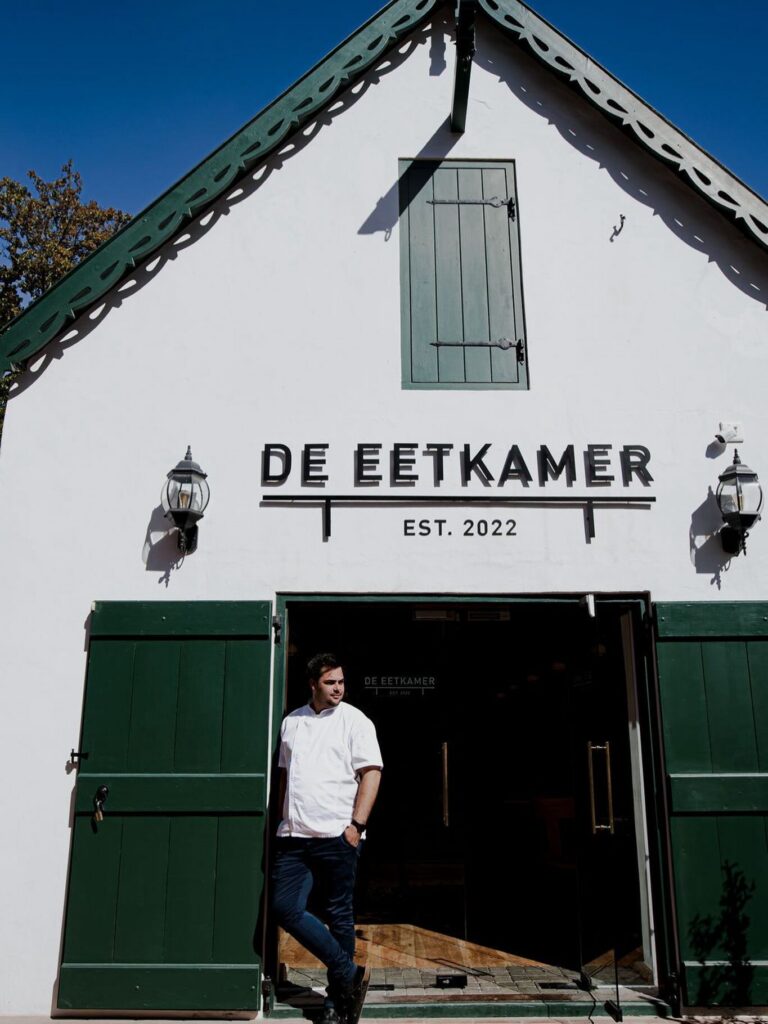
Set inside a renovated old stable and sharing space with an art gallery and library called Oude Leeskamer, the brand created more than a restaurant. It created an experience shaped by history, design, conversation, and globally inspired small plates. Even the name De Eetkamer, meaning “The Dining Room,” reveals the heart of the business. This was never designed to feel transactional. It was designed to feel personal.
In an industry where many hospitality businesses struggle to stand out, De Eetkamer offers valuable lessons about branding, customer experience, and building a business that people emotionally connect with.
Building a Brand Around Experience Instead of Volume
One of the strongest lessons behind De Eetkamer’s journey is the decision to focus on experience before expansion.
The restaurant’s concept is rooted in shared dining. Instead of centering meals around individual plates, the menu celebrates communal eating through small dishes inspired by global flavours. That choice immediately changes the customer experience. People stay longer, interact more, and become emotionally attached to the environment.
This strategy is powerful because it transforms dining into memory-making.
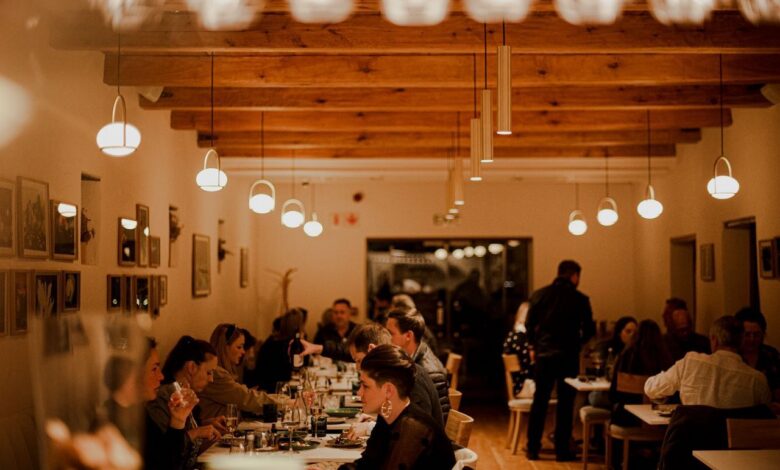
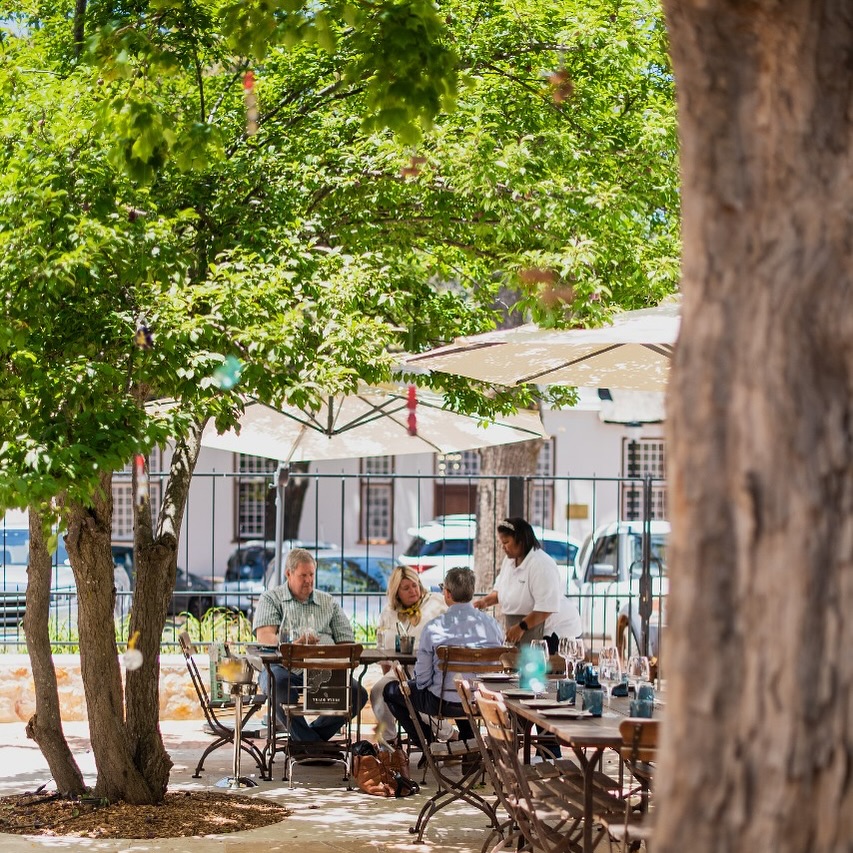
Many businesses focus only on what they sell. De Eetkamer focused on how customers feel while engaging with the brand. The long rectangular layout of the renovated stable adds to this atmosphere, making guests feel part of a larger social experience instead of isolated tables rushing through meals.
For entrepreneurs, this highlights an important lesson: products matter, but emotional connection matters even more. Businesses that create feelings of warmth, belonging, and discovery often build stronger customer loyalty than businesses competing only on price.
Turning Heritage Into a Competitive Advantage
Another major strength behind the brand is its ability to use physical space and history as part of the storytelling.
Rather than modernising the venue into something generic, De Eetkamer embraced the character of the old stable. The connection to the Oude Leeskamer library and art gallery further deepened the experience. Customers are not simply visiting a restaurant. They are entering a carefully curated environment where food, art, literature, and architecture coexist.
That layered identity gives the brand distinction in a crowded hospitality market.
Too many businesses attempt to imitate global trends without recognising the value of their own surroundings. De Eetkamer took the opposite approach. It leaned into authenticity and allowed the building’s history to become part of the customer journey.
Aspiring entrepreneurs can learn a great deal from this. Your environment, story, and origins can become your strongest marketing tools when presented intentionally.
The Power of Shared Dining as a Business Strategy
The decision to build the menu around small plates was more than a culinary choice. It was also a strategic business move.
Shared dining naturally encourages customers to order multiple dishes, explore different flavours, and spend more time at the table. More importantly, it creates conversation. Guests become active participants in the experience rather than passive consumers.
This approach also aligns perfectly with modern dining culture, where people increasingly value experiences they can share socially and visually.
De Eetkamer understood that restaurants today are no longer judged only by taste. Customers remember ambience, interaction, presentation, and storytelling. By creating a menu structure that encourages connection, the brand positioned itself within that evolving hospitality landscape.
Entrepreneurs across industries can apply this thinking. Instead of asking how to sell more products, ask how to create more interaction around your product or service.
Why Consistency Often Beats Constant Reinvention
One of the most overlooked business lessons from De Eetkamer is consistency.
Everything about the brand appears aligned. The architecture, naming, shared dining concept, artistic environment, and menu philosophy all support the same identity. Nothing feels disconnected.
This consistency helps customers immediately understand what the business stands for.
In many growing businesses, brand identity becomes diluted as trends change. De Eetkamer demonstrates the value of staying rooted in a clear vision. Its focus on communal experiences and globally inspired flavours remains central to the business story.
That clarity becomes a competitive advantage because customers trust brands that feel intentional.
For entrepreneurs, consistency is not about repeating the same thing endlessly. It is about making sure every decision strengthens the larger identity of the business.
Creating Spaces People Want to Return To
Restaurants succeed when people crave more than the food. They succeed when customers miss the atmosphere itself.
De Eetkamer’s emphasis on shared moments, thoughtful design, and conversation-driven dining helped create exactly that kind of environment. The restaurant positioned itself as a place where memories are made around the table, much like a family dining room.
That emotional positioning is difficult to replicate.
The larger lesson is simple but powerful: businesses grow stronger when they create belonging. Whether through hospitality, retail, fashion, or creative industries, people return to spaces where they feel emotionally connected.