
From Rejection to Route Ownership: The Business Lessons Behind Latjis Logistics

From Rejection to Route Ownership: The Business Lessons Behind Latjis Logistics. Some businesses are born from passion. Others are built from frustration. The story behind Latjis Logistics began with a problem that Sipho Malatji saw repeatedly while working at Makro: unreliable and unprofessional transport service providers struggling to meet business expectations.
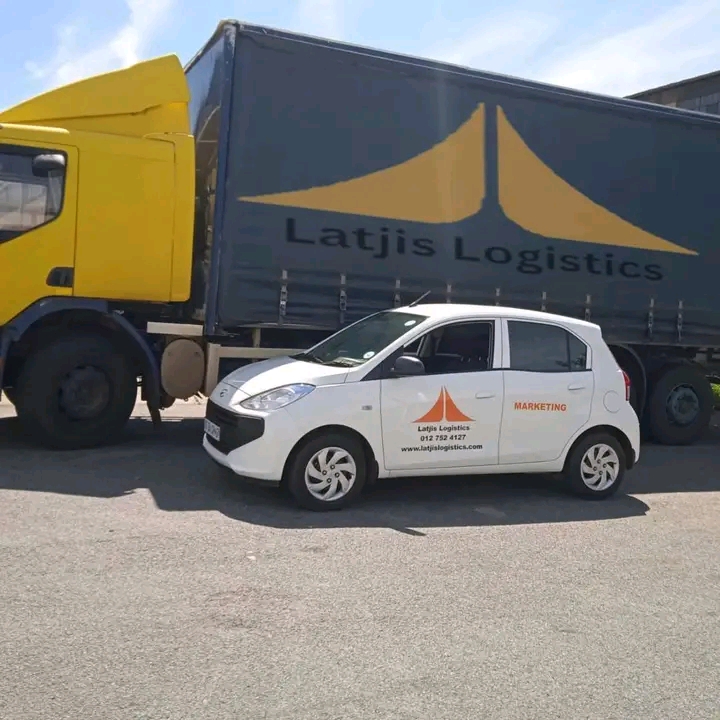
Instead of simply complaining about the gap in the market, Sipho saw an opportunity hidden inside the inefficiency. Together with his wife, Bridget Malatji, he transformed that observation into Latjis Logistics, a Gauteng based transport and warehousing company that now operates its own fleet and warehouse facilities.
The road was not smooth. Sipho approached banks and funding organizations for financial assistance after identifying the business opportunity, but the applications were rejected. For many entrepreneurs, that would have been the end of the dream. For the Malatjis, it became the beginning of a much bigger journey.
Today, Latjis Logistics stands as an example of how industry insight, persistence, and long term thinking can turn a rejected idea into a growing logistics business. Their story offers practical lessons for entrepreneurs about spotting opportunities, solving real problems, scaling strategically, and building resilience when external support is limited.
Finding Opportunity Inside Frustration
One of the most important turning points in the Latjis Logistics story happened long before the company existed.
While working at Makro, Sipho Malatji witnessed the operational difficulties caused by unprofessional transport providers. That experience gave him something many entrepreneurs spend years searching for: firsthand insight into a real market problem.
The strongest businesses are often created by people who deeply understand an industry’s weaknesses because they have experienced them directly.
Instead of entering logistics blindly, Sipho already understood what clients valued and what frustrated them. Reliability, professionalism, and operational consistency were not abstract ideas to him. They were real business needs he had seen firsthand.
This highlights a critical lesson for aspiring entrepreneurs. Some of the best business ideas come from observing inefficiencies in industries you already know well.

Why Rejection Did Not End the Journey
After identifying the opportunity, Sipho approached banks and business funding organizations for financial support. The applications were denied.
That moment could easily have discouraged the business before it even began. Yet one of the defining characteristics of successful entrepreneurs is the ability to continue building even when validation is absent.
Many founders assume rejection means the idea lacks value. In reality, funding rejection is often part of the entrepreneurial process, especially in industries requiring operational infrastructure like logistics.
The Latjis Logistics story demonstrates that belief in the vision mattered more than immediate approval from institutions.
For entrepreneurs, this is an important reminder. External rejection should not automatically become internal defeat.
Building a Business Around Reliability
Logistics is one of the most operationally demanding industries in business. Customers are not simply paying for transportation. They are paying for trust, timing, communication, and consistency.
Latjis Logistics appears to have built its reputation around solving exactly the problems Sipho once observed in the industry.
That strategic positioning matters.
Businesses grow faster when they focus on solving a specific pain point instead of trying to compete on everything at once. By understanding what clients disliked about existing transport services, the company was able to shape its identity around professionalism and dependable service.
Entrepreneurs can apply this principle across industries. The businesses that stand out most clearly are often the ones that solve frustrations customers already experience daily.
The Strength of Building Together
Another important aspect of the Latjis Logistics journey is the partnership between Sipho and Bridget Malatji.
Building a business as a couple requires alignment, trust, and shared commitment. Entrepreneurship often demands emotional resilience alongside financial sacrifice, and having a strong support structure can make a major difference during difficult stages.
Their partnership also reflects a broader lesson about business growth. Sustainable companies are rarely built in complete isolation. Strong teams and aligned leadership create stability during uncertain periods.
For entrepreneurs, this highlights the importance of surrounding yourself with people who believe in the long term vision of the business.
Owning Assets Instead of Depending Entirely on Outsourcing
One of the major milestones in the Latjis Logistics journey is the development of its own fleet and warehouse operations.
This represents an important strategic shift.
Owning logistics assets creates greater operational control, improves service reliability, and strengthens the company’s ability to scale independently. Instead of relying entirely on third party systems, Latjis Logistics built infrastructure that supports long term growth.
That move also signals confidence in the sustainability of the business model.
In many industries, entrepreneurs eventually reach a stage where owning key operational assets becomes necessary for maintaining quality and consistency. Latjis Logistics demonstrates how infrastructure investment can strengthen both brand credibility and operational performance.

Understanding the Importance of Industry Demand
The logistics sector plays a critical role in the economy because businesses constantly require transportation and warehousing solutions.
This creates ongoing opportunity for companies capable of delivering reliable service.
Sipho’s experience at Makro likely gave him valuable exposure to supply chain realities and customer expectations within the sector. That industry knowledge became an advantage when building Latjis Logistics.
Entrepreneurs often overlook how powerful industry experience can be. Previous employment may provide the exact market insights needed to identify opportunities others fail to notice.
The Latjis Logistics story reminds aspiring founders that professional experience can become the foundation for future entrepreneurship.
Growth Through Reputation and Consistency
In logistics, reputation spreads quickly. Businesses depend heavily on service providers meeting deadlines and handling operations professionally.
That means consistency becomes a form of marketing.
Latjis Logistics appears to have positioned itself around dependable service and operational professionalism, which are critical strengths in transport and warehousing.
For entrepreneurs, there is a powerful lesson here. Sustainable growth often comes from delivering reliable results repeatedly rather than chasing attention alone.
Businesses that consistently solve problems tend to build long term trust, referrals, and customer loyalty.

Why the Latjis Logistics Story Matters
The journey of Sipho and Bridget Malatji reflects a realistic version of entrepreneurship. It is not built around overnight success or massive outside funding. It is built around observation, persistence, resilience, and strategic execution.
Their story proves that opportunities often exist inside industries people already understand deeply. It also shows that rejection from institutions does not determine the future of a business.
For aspiring entrepreneurs, the biggest lesson may be this: sometimes the businesses with the greatest long term potential begin with a simple question asked by someone willing to notice what everyone else ignores.