
Woven With Purpose: The Business Lessons Behind Scarf Closet’s Rise in Modest Fashion
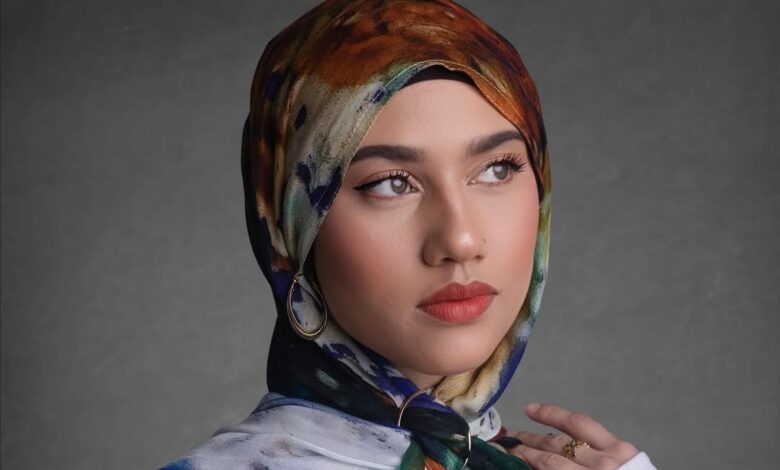
Woven With Purpose: The Business Lessons Behind Scarf Closet’s Rise in Modest Fashion. Some fashion brands begin with trend forecasts and market research. Others begin with something far more personal. Scarf Closet, founded by Yusra Barnes in Cape Town in 2023, emerged from a deeply personal journey toward embracing the hijab while still expressing individuality and style.
That personal connection became the heartbeat of the brand.
Instead of treating modest fashion as restrictive, Scarf Closet was built around a different belief: modesty and elegance can exist together. Every scarf collection reflects that philosophy, blending versatility, sophistication, and practicality for women looking for pieces that transition seamlessly from everyday wear to refined occasions.
In a fashion industry often driven by fast trends and mass production, Scarf Closet has positioned itself around identity, inclusivity, and thoughtful curation. The business journey behind the brand offers valuable lessons for aspiring entrepreneurs about authenticity, niche positioning, emotional branding, and building a business that genuinely reflects the founder’s values.
Turning a Personal Journey Into a Business Vision
One of the strongest aspects of the Scarf Closet story is how closely the brand is connected to Yusra Barnes’ own experience.
As a Muslim woman who loved fashion, she recognised that wearing the hijab did not have to mean sacrificing personal style. That realization became the foundation of the business.
This is an important entrepreneurial lesson because many successful brands are born from lived experience. Founders who understand a customer need personally are often better equipped to create products that feel authentic and meaningful.
Scarf Closet did not emerge from an abstract business idea. It emerged from a genuine desire to celebrate modest fashion in a way that felt elegant, stylish, and empowering.
That authenticity gives the brand emotional depth, something customers increasingly value in modern businesses.
Building Around a Clear Brand Identity
One reason Scarf Closet stands out is because its message is focused and consistent.
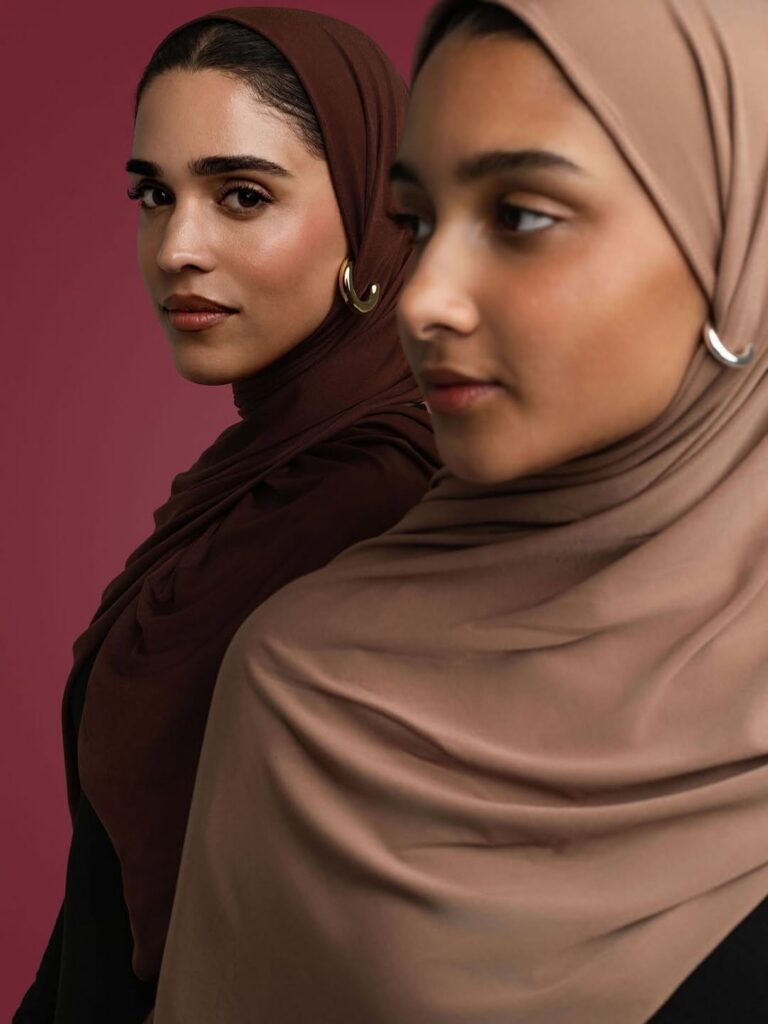
The brand is centered on modest fashion that balances sophistication and versatility. Every aspect of the business identity appears aligned with that vision, from the curated scarf collections to the emphasis on beauty, elegance, and self expression.
Strong brand clarity is often underestimated by entrepreneurs.
Businesses that try to appeal to everyone usually struggle to create meaningful customer loyalty. Scarf Closet instead embraced a specific identity and customer perspective from the beginning.
That focus likely strengthened the brand’s ability to connect with customers looking for modest fashion options that still feel contemporary and stylish.
For entrepreneurs, the lesson is clear: businesses grow stronger when customers immediately understand what the brand stands for.
The Power of Serving a Specific Market
Scarf Closet also demonstrates the value of serving a niche market with intention.
Rather than competing broadly in the overcrowded fashion industry, the brand focuses specifically on modest fashion and hijab styling. That targeted positioning creates a stronger emotional connection with customers who feel seen and understood by the brand.
Niche businesses often succeed because they solve highly specific customer needs better than general competitors.
In this case, Scarf Closet recognised that many women wanted scarves that reflected both modesty and fashion consciousness. By responding directly to that need, the business created a space for itself within the market.
Entrepreneurs can apply this strategy across industries. Sometimes the fastest path to growth is not trying to attract everyone, but deeply understanding a smaller audience.

Why Emotional Branding Matters
Fashion is rarely only about clothing. It is often connected to confidence, identity, culture, and self expression.
Scarf Closet appears to understand this deeply.
The brand’s messaging goes beyond simply selling scarves. It speaks about empowerment, individuality, inclusivity, and embracing personal style through modest fashion.
That emotional positioning matters because customers are more likely to support brands they emotionally connect with.
In modern business, products alone are often not enough. Customers want to understand the values and purpose behind a brand.
Scarf Closet’s origin story creates that connection naturally because the business itself was shaped by Yusra Barnes’ personal experience.
For entrepreneurs, this highlights an important principle: storytelling can become one of the most powerful parts of a brand.
Using Versatility as a Product Strength
Another smart aspect of the brand is its focus on versatility.
Scarf Closet specifically highlights collections that transition from everyday essentials to refined elegance. That positioning expands the usefulness of the products and increases their appeal across different occasions and lifestyles.
Versatility is a major advantage in fashion because customers increasingly value pieces that offer flexibility and practicality.
Rather than focusing only on aesthetics, the brand also considers how the scarves fit into everyday life.
Entrepreneurs in product based industries can learn from this approach. Businesses often grow stronger when they design products that solve multiple customer needs at once.
Celebrating Local Identity and Inclusivity
Scarf Closet’s roots in Cape Town also form an important part of the brand story.
The business positions itself not only as a fashion label but as a celebration of diversity, inclusivity, and individuality. That local identity helps strengthen authenticity while creating a deeper connection with its audience.
Consumers increasingly support brands that feel grounded in real communities and values rather than generic corporate messaging.
By embracing its Cape Town roots and celebrating modest fashion openly, Scarf Closet builds cultural relevance alongside commercial appeal.
This reflects another important entrepreneurial lesson: businesses often become stronger when they confidently embrace their identity instead of trying to imitate larger competitors.
The Importance of Starting With Purpose
Founded in 2023, Scarf Closet is still a young brand, yet its foundation appears built on purpose rather than short term trends.
That matters because purpose driven businesses often develop stronger long term resilience. When a business is connected to a genuine mission, it becomes easier to maintain consistency, connect with customers, and make decisions aligned with the brand’s identity.
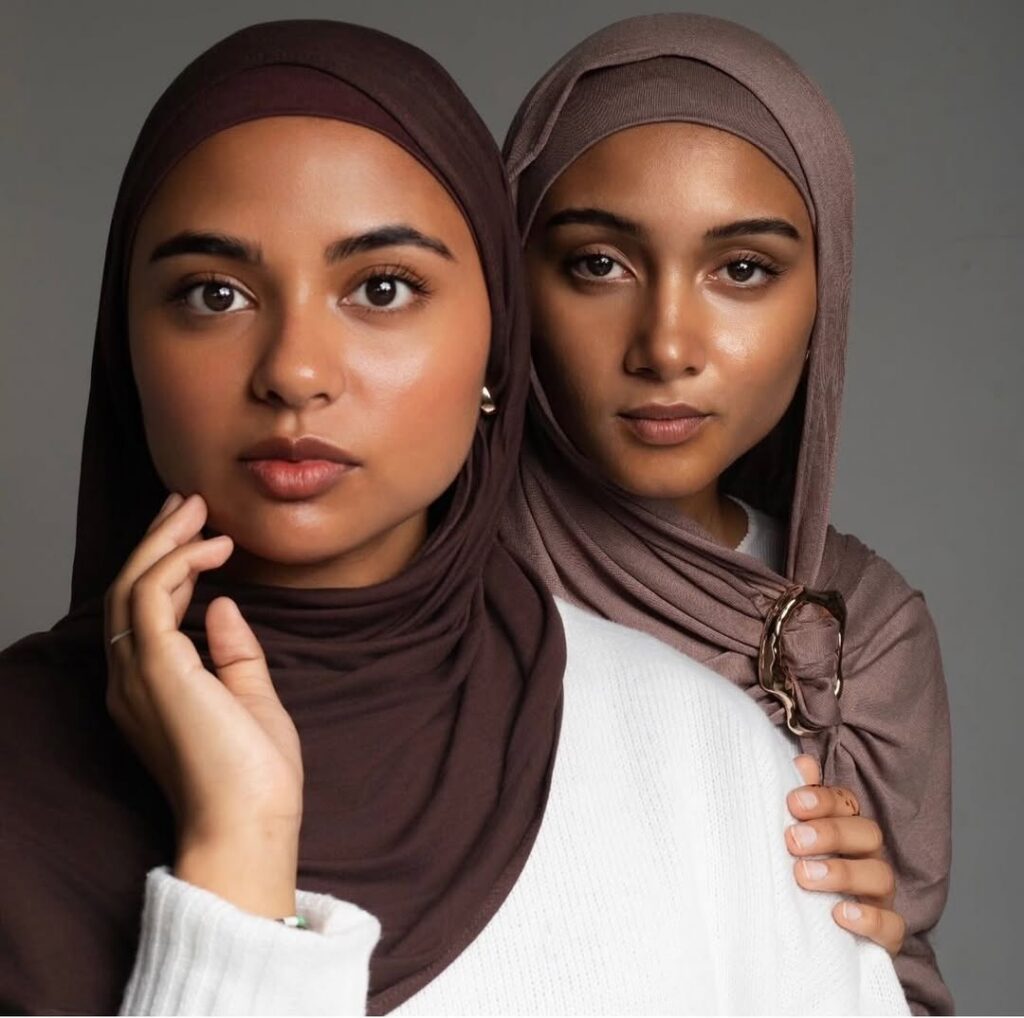
Scarf Closet’s mission extends beyond fashion. It encourages women to embrace modesty, beauty, and self expression simultaneously.
For entrepreneurs, purpose can become a guiding force that shapes not only branding but customer loyalty and long term growth.
Why Scarf Closet’s Story Matters
The journey behind Scarf Closet reflects a modern entrepreneurial story shaped by authenticity, identity, and intentional branding.
Yusra Barnes transformed a personal experience into a fashion business rooted in elegance, inclusivity, and empowerment. Instead of chasing trends, the brand built its identity around meaningful values and a clear understanding of its audience.
For aspiring entrepreneurs, the biggest lesson may be this: some of the most powerful businesses are created when founders stop trying to fit into existing spaces and instead build brands that reflect who they truly are.