Biodiversity at Its Best: Vergelegen Wins Global Award
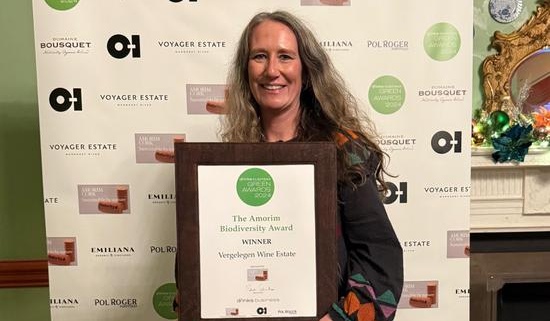
Biodiversity at Its Best: Vergelegen Wins Global Award. Vergelegen Wine Estate, located in Somerset West, has been awarded the Amorim Biodiversity Award at the prestigious Green Awards hosted by The Drinks Business. This accolade recognises Vergelegen’s exceptional commitment to biodiversity and sustainability, triumphing over leading international estates including Emiliana Organic Vineyards (Chile), Te Kano Estate (New Zealand), Familia Torres (Spain), and Sogrape (Portugal).
Celebrating SustainabilityThe award was announced on Tuesday, 26 November 2024, in London. Organised by The Drinks Business, the Green Awards honour organisations across 12 categories that excel in reducing environmental impact. The Amorim Biodiversity Award specifically celebrates enterprises that enhance biodiversity both on their properties and in their surrounding communities, delivering measurable results.
Vergelegen’s Biodiversity Journey
At the heart of Vergelegen’s sustainability success is its extraordinary alien vegetation clearing programme, initiated in 1995. This privately funded project, the largest of its kind in South Africa, has transformed 1,900 hectares into a nature reserve managed in partnership with CapeNature, with the same protection status as the Kruger National Park.
Bird species have increased from 50 in 2000 to 146, including four pairs of breeding blue cranes. At least 279 plant species have been recorded, including 22 Red Data List species.
Visitors can experience this environmental restoration through guided environmental tours, spotting wildlife such as Rau quagga, bontebok, eland, black wildebeest, and red hartebeest.
Vergelegen’s sustainability efforts extend to:
- Tree-planting initiatives: Planting 1,000 trees annually in its 54-hectare arboretum and Somerset West community projects.
- Indigenous Nguni cattle herding: Supporting local biodiversity and sustainable farming practices.
- A long-standing honey bee project with 250–350 hives for orchard pollination.
Biodiversity Outreach and Recognition
Vergelegen actively collaborates with local and international researchers, sharing expertise through an informal Centre of Learning Excellence. Its efforts have set a benchmark for biodiversity conservation in the wine industry.
“This award is a testament to Vergelegen’s decades-long commitment to protecting indigenous species and enhancing ecological diversity,” said Wayne Coetzer, Managing Director of Vergelegen. “We are inspired to continue safeguarding our natural heritage for future generations.”