SkropToppie: How Two Medical Professionals Turned Dull Scrubs Into Self-Expression

SkropToppie: How Two Medical Professionals Turned Dull Scrubs Into Self-Expression. For Lorraine and Maryke, the idea behind SkropToppie did not begin with a business plan. It began with an everyday experience they knew personally. Both medical professionals based in Cape Town, the founders spent years working in the medical industry wearing uniforms they considered ill-fitting and dull. Over time, they realised that their frustration was not unique. Their colleagues were experiencing the same problem and wanted something different from the clothing they wore to work.
That realisation became the starting point for SkropToppie and CORE Scrubs, medical apparel designed to give healthcare professionals an opportunity to express themselves while working.
The story offers a useful lesson for entrepreneurs: sometimes the strongest business opportunities are hiding inside problems you experience yourself.
SkropToppie started with a problem the founders understood
Lorraine and Maryke were not looking at the medical apparel market from the outside. They were medical professionals themselves, experiencing the limitations of the uniforms they wore.
The problem was clear to them. The uniforms were dull and did not fit the way they wanted. More importantly, the founders discovered that their colleagues also wanted to express their individuality while remaining comfortable and stylish.
That shared experience helped shape the opportunity.
For entrepreneurs, this is an important starting point. A business idea becomes more grounded when the founder understands the problem firsthand. Personal experience does not automatically guarantee a successful business, but it can provide valuable insight into what customers actually experience.
Listening to colleagues revealed a wider opportunity
The turning point came when Lorraine and Maryke recognised that they were not the only people who wanted something different.
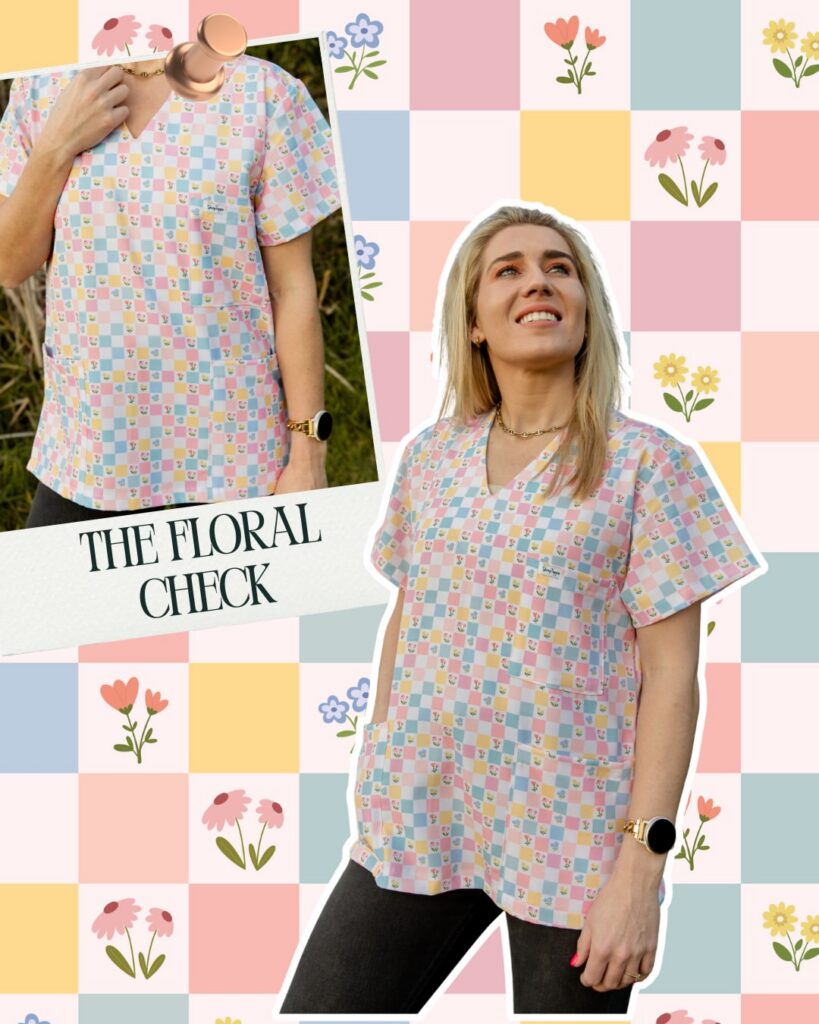
Their colleagues also wanted medical apparel that allowed them to express themselves while feeling comfortable and stylish. What began as a personal frustration therefore became a problem shared by the people around them.
This is where customer awareness became central to the SkropToppie story. The founders did not simply identify something they disliked. They noticed that other medical professionals felt the same way.
The lesson for entrepreneurs is practical: pay attention to repeated complaints. If several people are describing the same problem, there may be an opportunity worth investigating.
Individuality became part of the product idea
SkropToppie positions itself around medical apparel that allows healthcare professionals to express themselves.
That is a meaningful shift from viewing medical uniforms purely as workwear. The founders identified an opportunity to connect professional clothing with individuality.
The emphasis on expression also works alongside comfort and style. These are not presented as unrelated features. They form part of the reason the founders decided to create something different.
For a new business, this demonstrates the value of understanding what customers want beyond basic functionality. A product can solve a practical problem while also addressing how people want to feel or present themselves.
SkropToppie and CORE Scrubs reflect the founders’ response
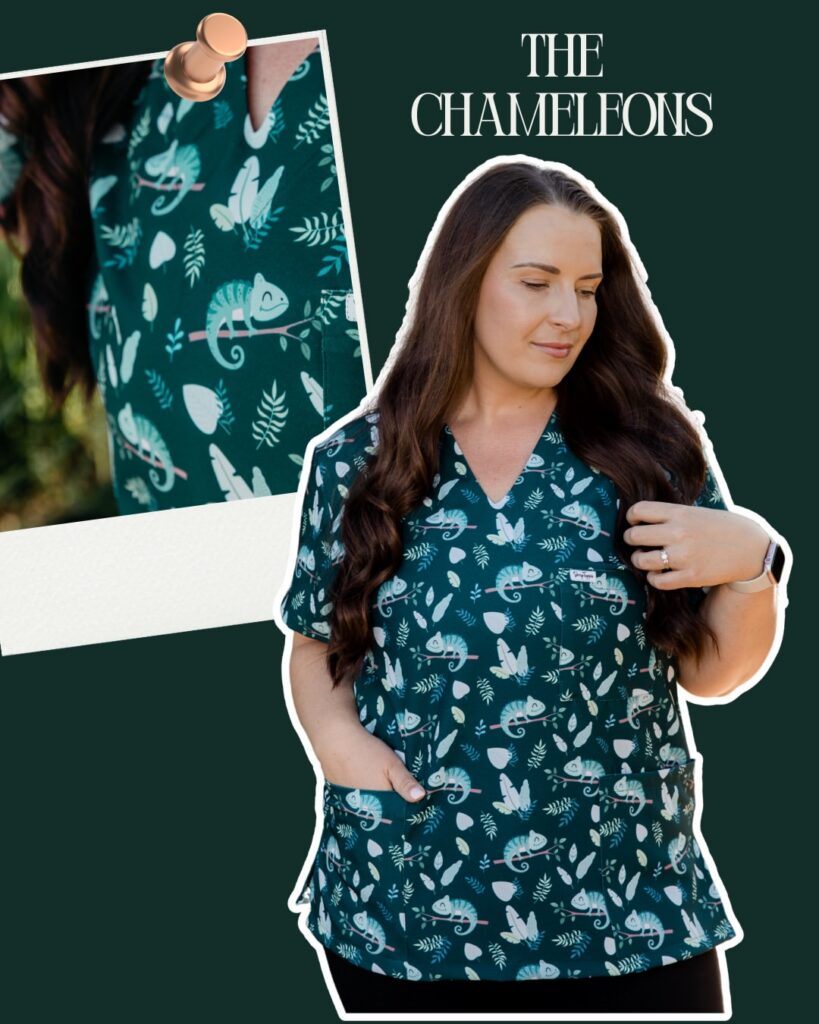
The founders created SkropToppie and CORE Scrubs as medical apparel offerings shaped by the problem they had experienced themselves.
The significance lies in the connection between the founders’ professional backgrounds and the purpose behind the brands. Lorraine and Maryke understood the environment in which the apparel would be worn because they worked in the medical industry.
That knowledge can be an advantage when developing a product for a specific audience. Entrepreneurs who understand their customers’ working environment can identify frustrations that may be overlooked by businesses without that direct experience.
A personal frustration became a brand opportunity
The SkropToppie story demonstrates how recognising a shared problem can create the foundation for a business.
Lorraine and Maryke began with their own dissatisfaction with ill-fitting and dull uniforms. They then recognised that their colleagues wanted the same things they did: individuality, comfort and style.
Instead of accepting the problem, they decided to do something about it. That decision led to the creation of SkropToppie.
For aspiring entrepreneurs, the lesson is not to manufacture a problem simply because it appears commercially attractive. Start by paying attention to real frustrations. Speak to people who experience them. Look for patterns. Then ask whether a better solution can be created.
SkropToppie shows the potential of that process. A problem encountered at work became an opportunity to rethink medical apparel, with individuality placed alongside comfort and style.