
How Stimm Is Building Neuroinclusive Futures for Young Professionals
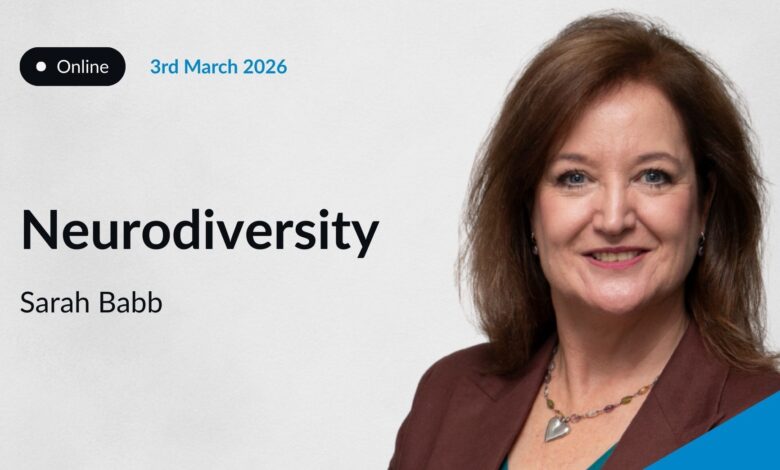
How Stimm Is Building Neuroinclusive Futures for Young Professionals. Meaningful businesses often begin where persistent problems remain overlooked. For Stimm, that starting point is the gap between workplace culture and lived experience for neurodivergent young adults entering employment.
Founded by Dr Sarah Babb and Ann Lamont, the organisation was created to stimulate neuroinclusive communities and cultures in professional environments. Its mission is built around empowerment. Empowering young adults transitioning into work. Empowering workplaces to create genuine belonging. Empowering ecosystems of support that include parents, managers, and organisational leaders.
The brand’s journey reveals what happens when lived experience, professional expertise, and structural change converge around a shared purpose.
Purpose Rooted in Real Human Transitions
Stimm’s work focuses on a very specific and often under recognised moment in life. The transition from education into employment for neurodivergent young adults.
The founders identified that many workplaces remain underaccommodating of neurodivergence, limiting the ability of individuals to thrive and contribute meaningfully. Estimates suggest that between 15 and 20 percent of the population is neurodivergent, yet support structures remain limited in many corporate environments, particularly in South Africa and emerging markets.
This reality shaped Stimm’s core intention. To close the gap between aspiration and lived workplace culture. To help organisations move beyond statements about inclusion and toward practical systems that support diverse minds.
For entrepreneurs, this illustrates a powerful starting principle. Strong brands are built by solving real transitions in people’s lives, not abstract problems.

Expertise That Combines Science, Systems and Lived Experience
Stimm’s approach is grounded in cross discipline collaboration. Its circle of associates includes coaches, neuropsychologists, occupational therapists, Human Resources consultants, employment equity specialists, facilitators, and change leaders.
This structure reflects a deliberate design choice. Neuroinclusion is not treated as a single intervention but as an ecosystem of support.
The leadership team also brings personal journeys with neurodiversity, shaping the organisation’s empathy and focus. This lived perspective is reinforced by deep professional expertise.
Dr Sarah Babb is an organisational psychologist, systems thinker, and leadership and change specialist with decades of experience across sectors and countries. Her work has focused on helping organisations create inclusive, collaborative, and sustainable cultures capable of adapting to complex change.
The lesson for founders is clear. When expertise and lived experience intersect, solutions become both credible and deeply relevant.
Addressing the Gap Between Intended Culture and Reality
One of Stimm’s central insights is that many organisations aspire to inclusive cultures but struggle to translate intention into daily experience.
This gap often results in low engagement, exclusion, poor mental health outcomes, and reduced innovation. Stimm’s work focuses on bridging that divide by helping companies redesign practices, leadership approaches, and support systems.
The organisation positions neuroinclusion not as a compliance requirement but as a pathway to building future focused businesses capable of navigating complexity and change.
Entrepreneurs can apply this thinking beyond inclusion. The difference between what a company claims and what people experience is often where the greatest opportunity for impact exists.

Designing Ecosystems Instead of Isolated Solutions
Stimm’s model extends beyond individual training or consulting. It builds interconnected systems of support that include young professionals, managers, leadership teams, and families.
This ecosystem approach recognises that workplace success does not depend on a single intervention. It depends on environments that consistently enable participation, belonging, and contribution.
Success, in this framework, means neurodivergent young adults entering workplaces seamlessly and thriving through diverse portfolios of work opportunities. It also means organisations becoming places where belonging is embedded into everyday operations.
For entrepreneurs, this reflects a key strategic insight. Sustainable impact rarely comes from isolated solutions. It emerges from interconnected systems that reinforce each other.
Leadership Shaped by Change Expertise
Dr Sarah Babb’s background in leadership development, organisational design, and cultural transformation plays a central role in shaping Stimm’s direction. Her work focuses on helping organisations become humane, collaborative, and agile in rapidly changing environments.
She also works with startups and entrepreneurs to identify practical structural changes that support neurodivergent individuals at work. Her approach combines academic insight with direct understanding of operational realities.
Her leadership reflects another essential lesson for founders. Expertise must translate into application. Knowledge creates value only when it is embedded into systems that people can use every day.

Lessons Entrepreneurs Can Apply From Stimm’s Growth
Stimm’s development offers practical insights for anyone building a purpose driven brand.
Solve problems that affect real life transitions and lived experiences.
Combine professional expertise with personal understanding to deepen relevance.
Focus on closing the gap between organisational intention and operational reality.
Design ecosystems of support rather than isolated services.
Position social impact as a driver of organisational sustainability, not an add on.
Each of these principles reflects strategic clarity grounded in human experience.
Building Workplaces Where Difference Drives Strength
Stimm represents a vision of work where diverse ways of thinking are not merely accommodated but actively valued. Its work demonstrates that inclusion is not a peripheral initiative but a structural foundation for future ready organisations.
By combining systems thinking, cross discipline collaboration, and lived understanding of neurodivergence, the organisation is reshaping how workplaces support emerging talent and evolving teams.
For entrepreneurs, the message is unmistakable. Lasting brands are built where human potential meets structural change. When businesses design environments that enable people to thrive, they create conditions where innovation, belonging, and performance grow together.