Building a Township Empire: How Mxolisi Buthelezi’s Khona La Local Stores is Redefining South Africa’s Spaza Economy

Building a Township Empire: How Mxolisi Buthelezi’s Khona La Local Stores is Redefining South Africa’s Spaza Economy. In South Africa’s townships, spaza shops have long been the heartbeat of local commerce, small, family-run stores that serve as both economic lifelines and community anchors. But as competition grew and large retailers began expanding into these spaces, many independent shop owners found it hard to compete. Then came an idea that changed the game.
Mxolisi Buthelezi, an entrepreneur with a sharp eye for opportunity, founded Khona La Local Stores, a franchise model designed to unite spaza owners under one powerful banner. His vision was simple but revolutionary: keep ownership local, but strengthen it through collective power.
From Fragmented to United
Mxolisi understood that township retailers didn’t lack entrepreneurship, they lacked access. Individually, spaza owners were buying stock at higher prices, had inconsistent branding, and limited marketing reach. But what if those challenges could be solved collectively?
That was the seed that birthed Khona La Local Stores, a franchise model that allows shop owners to remain independent while benefiting from standardized branding, bulk product supply, and a shared network. In essence, Khona La turns small local shops into part of a larger, organized retail ecosystem, one that competes effectively with established supermarket chains.
For many shop owners, joining Khona La meant more than rebranding, it meant empowerment. With access to cheaper wholesale prices, better logistics, and modernized store design, they could finally operate efficiently while still maintaining ownership of their stores.

A Business Model Built on Empowerment
Unlike traditional franchises that take over ownership or charge hefty fees, Khona La Local Stores was structured with fairness and accessibility at its core. The shop remains the property of the owner. Khona La steps in to provide support, from branding and signage to supply chain access and operational guidance.
This unique approach built immediate trust within communities. It wasn’t about replacing the local shopkeeper, it was about uplifting them. By keeping businesses community-owned, the model not only sustains local economies but also ensures that profits circulate within the township itself.
Turning Challenges into Opportunities
Township entrepreneurship is not without its hurdles, from limited infrastructure to fluctuating supply prices and tough competition from retail giants. But Mxolisi’s strategy was to transform these pain points into opportunities.
For instance, instead of competing against big stores on scale, Khona La leveraged local proximity and community relationships, something large retailers couldn’t replicate. Customers trusted their local shopkeepers, and Khona La helped those shopkeepers deliver a better experience without losing that connection.
Through centralized procurement, participating shops gained access to cheaper products and consistent supply, a major turning point that gave them an edge over informal rivals.
Strategic Branding and Expansion
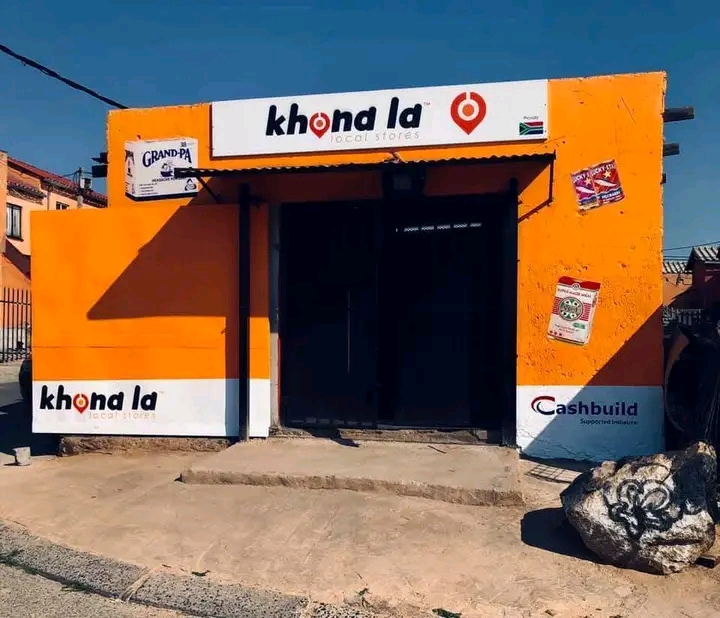
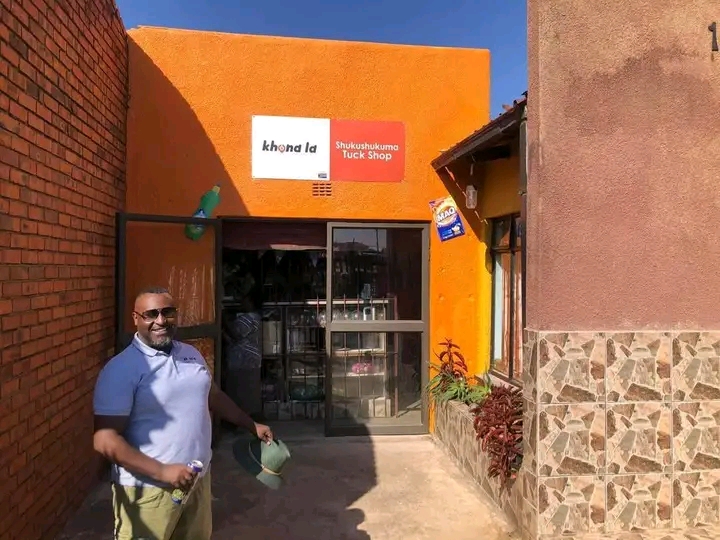
Brand identity became another key strength. Under the Khona La banner, once-generic spaza shops now displayed uniform branding that symbolized quality and reliability. This simple yet powerful shift changed consumer perception, these weren’t random shops anymore; they were part of something bigger.
Khona La’s visibility began to grow, inspiring more local retailers to join the movement. The consistency in look, service, and pricing created a recognizable standard that customers could trust.
Mxolisi’s commitment to scaling the brand while preserving local ownership became a blueprint for sustainable township development. Each new partnership represented another step toward a stronger, unified local economy.
Lessons for Aspiring Entrepreneurs
Mxolisi Buthelezi’s journey with Khona La Local Stores offers powerful lessons for entrepreneurs aiming to create impact-driven businesses:
- Build for the people, not over them – Khona La’s success lies in its respect for local ownership. Growth doesn’t have to come at the cost of independence.
- Solve real problems – The franchise wasn’t just an idea; it was a direct solution to price inequality, branding challenges, and supply inefficiencies in township trade.
- Empower through access – Providing tools and infrastructure can be more valuable than providing capital.
- Leverage community trust – Consumers value familiarity and reliability; integrating both into your brand creates lasting loyalty.
- Think collective, act local – By creating a network effect among small players, Khona La achieved scalability while staying deeply community-rooted.
A Movement, Not Just a Franchise
Khona La Local Stores is more than a franchise, it’s a movement of inclusion and collaboration. Through innovation and shared power, it’s redefining how small businesses can thrive in South Africa’s fast-changing retail landscape.
Mxolisi Buthelezi’s vision stands as proof that the future of entrepreneurship in South Africa lies in collective growth, not competition. His journey shows that when you lift others while building your own success, you don’t just create a business, you create a legacy.