From Backyard Garden to Global Supplier: The Rise of Elite Crop
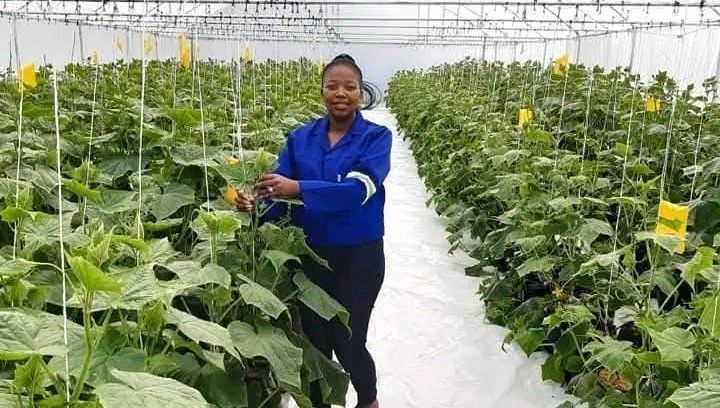
From Backyard Garden to Global Supplier: The Rise of Elite Crop. Sometimes the most extraordinary ventures begin with the simplest choices. For Ntando Thabethe, founder of Elite Crop, the spark came from a small but life-changing decision. Living in Pinetown, KwaZulu-Natal, she was given money by her husband to fix her hair. Instead of heading to the salon, she bought seeds and planted a garden in her large backyard. That garden would become the foundation of a business that has since grown into one of South Africa’s inspiring success stories in agriculture.
Turning a Backyard Project Into a Business
What started as a way to feed her community soon became a business model rooted in resourcefulness. Ntando sold her fresh produce locally, reinvesting profits to expand her planting and refine her farming methods. This phase of Elite Crop’s journey highlights a lesson that aspiring entrepreneurs should never overlook: begin with what you have and build step by step. By focusing on consistency and meeting local demand, Ntando built trust within her community and laid the groundwork for larger opportunities.

Scaling Into Retail Partnerships
Elite Crop reached a significant milestone when it began supplying produce to major retailers like Pick n Pay. This transition marked a turning point for the brand. Supplying to big chains required meeting strict quality standards, ensuring consistent supply, and scaling production. For Ntando, it meant investing in better infrastructure, building a reliable workforce, and strengthening logistics. This move offers a powerful insight for other entrepreneurs: breaking into larger markets requires discipline, compliance, and the courage to step up from small-scale operations to industrial-level supply.
Expanding the Product Range
Rather than stopping at fresh produce, Ntando diversified Elite Crop’s offerings into processed goods. Today, Elite Crop produces canned tomatoes, dried vegetables, tomato sauce, mixed vegetables, fruit juices, canned beetroot, baked beans, and seeds. This diversification strategy strengthened the brand’s resilience. Instead of relying solely on seasonal fresh produce, Elite Crop tapped into value-added products that could reach wider markets and generate steady income. For entrepreneurs, this demonstrates the importance of spotting opportunities to expand within your industry rather than remaining in one lane.
Creating Jobs and Empowering Others
A defining aspect of Elite Crop’s growth is its role in job creation. Ntando now employs more than 40 people, showing how entrepreneurship can uplift not only individuals but entire communities. By turning her farm into a sustainable enterprise, she has created opportunities that extend beyond her personal success. For other business builders, this is a reminder that true growth is measured not just by profit but also by the impact you create around you.
Building Infrastructure and Logistics
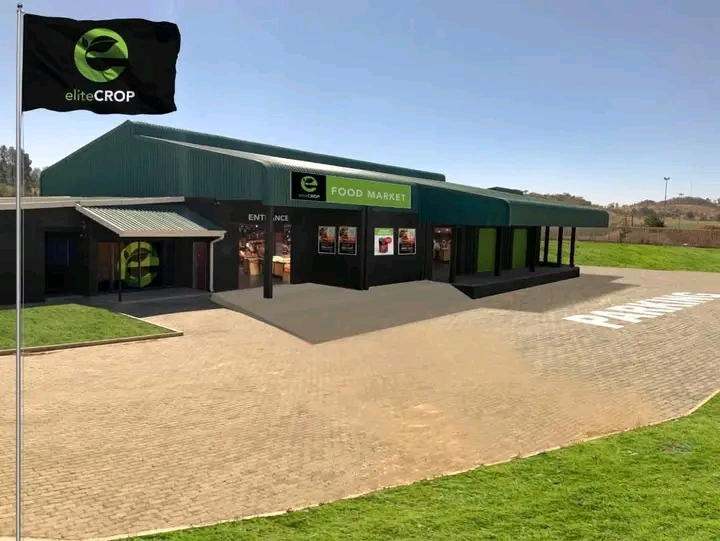
Elite Crop has also invested in its own fleet to deliver produce and supplies, along with a fresh produce market that Ntando owns. By controlling logistics and distribution, the company reduced dependency on third parties and strengthened its efficiency. Entrepreneurs can draw from this lesson: owning key parts of your supply chain can improve reliability and protect your brand reputation.

Taking South African Produce Global
Perhaps one of the most remarkable milestones in Elite Crop’s journey is its expansion into international markets. Ntando exports dried vegetables, herbs, and tomato products to Dubai, proving that locally grown, organic products can stand tall on the global stage. This achievement underscores the importance of thinking beyond borders. Entrepreneurs who master their local markets should also explore international opportunities, particularly when there is growing demand for high-quality, organic products worldwide.
Lessons Behind the Elite Crop Brand
The rise of Elite Crop carries several practical insights for entrepreneurs:
- Start small but start smart: Use the resources at your disposal and grow gradually.
- Invest back into your business: Reinvesting profits can fuel organic growth without relying heavily on external funding.
- Diversify for resilience: Explore different product ranges within your industry to avoid overdependence on one revenue stream.
- Prioritize quality: Meeting the standards of major retailers and international buyers requires unwavering attention to quality.
- Empower others: Job creation and community development build a legacy that goes beyond business.
A Story of Determination and Vision
From a packet of seeds to a thriving agribusiness with retail, local, and international reach, Elite Crop is a shining example of South African entrepreneurship at its best. Ntando Thabethe’s story reminds us that great brands are not born overnight but cultivated through hard work, vision, and a willingness to seize opportunities. Her journey offers proof that with determination, even the smallest beginning can grow into something extraordinary.