Nedbank Pitch & Polish Top 8: Interview With Vanessa Snyman

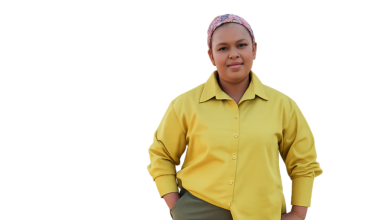
Nedbank Pitch & Polish Top 8: Interview With Vanessa Snyman. South African entrepreneur and founder of VEZ Technology Vanessa Snyman has made it to the top 8 of the Nedbank Pitch & Polish competition. The competition is about arming the contestants with business skills and valuable insights that they can use to improve their products; they will also gain one-on-one mentorship provided by Raizcorp. StartUpMag took some time to interview Vanessa to discuss her experience in the competition, the inspiration behind her businesses, and her vision for the future. Check it out below!
How did you come up with the idea for bioactive toilet paper?
We come from the contract cleaning industry, where we witnessed first-hand the growing demand for sustainable, eco-friendly cleaning products and the increasing popularity of green building certifications. While many green cleaning solutions exist, we noticed there wasn’t a single GreenTag-certified toilet paper on the market. We saw this gap as an opportunity to innovate — and that’s how BioActive Toilet Paper was born.
What was the research and development process like for such a unique product?
We localised an internationally patented bacterial application and secured the manufacturing rights for the SADC region — which was no easy task. From acquiring the right machinery to learning how to produce a premium-quality toilet paper, the R&D process took nearly two years. It was a tough but incredibly rewarding journey, and we’re proud of the product we’ve developed.
How has the market responded to this innovation so far?
The response has been very encouraging. Our BioActive Toilet Paper is available on Makro Marketplace, giving us a national footprint, and it’s already one of the platform’s top-selling toilet paper brands — all achieved organically, without any marketing spend. We’re currently in the final stages of GreenTag certification, and once approved, we plan to target Green Star-rated buildings and environmentally conscious organisations.
What challenges did you face in terms of funding or production?
Funding remains one of the biggest hurdles for SMMEs. Traditional lenders often want perfect financials and guaranteed sales orders, which is not always realistic for innovators breaking into a highly competitive industry like toilet paper converting. We’ve had to be resourceful — reinvesting revenue, leveraging grants, and building strategic partnerships to keep moving forward.
How do you see bioactive toilet paper contributing to sustainability in South Africa?
BioActive Toilet Paper actively supports environmental sustainability by introducing beneficial bacteria into the sanitation system. These microorganisms help break down waste, prevent blockages, neutralize odours, and reduce harmful pathogens — all while being completely safe for use (dermatologically tested) and the environment. This means cleaner drains, fewer plumbing issues, and a reduced burden on wastewater treatment facilities.
How Nedbank has Pitch & Polish improved your confidence in pitching such a novel idea?
The Nedbank Pitch & Polish competition with Raizcorp has helped refine our storytelling, sharpen our value proposition, and improve how we communicate the complex science behind BioActive Toilet Paper in a relatable way. We’ve gained the confidence to engage investors, partners, and customers with clarity and impact.
What partnerships are you hoping to form to scale VEZ Technology?
We’re particularly interested in forming partnerships within the tourism and hospitality sector, where sustainable practices are a growing priority, and with the plumbing industry, which directly experiences the benefits of cleaner systems. Our goal is to be seen not as a competitor or just another supplier, but as a value-adding partner that enhances sustainability and operational efficiency.
How do you see your innovation impacting sanitation in rural and urban areas?
Millions of South Africans face sewage overflows daily, especially in under-serviced rural communities. If that waste was treated at the source, even partially, it could significantly reduce environmental and health risks. Wastewater treatment plants already use enzymes to treat sewage — but that happens at the end of the cycle. We’re changing the model by starting where waste begins: in the toilet.
What has been the most exciting part of this entrepreneurial journey?
Seeing a simple idea evolve into a tangible, market-ready innovation that’s improving sanitation and sustainability has been incredibly fulfilling. Every milestone — from producing our first roll to seeing our product listed on Makro — reminds us that we’re creating real impact, not just another brand.
What would winning the competition mean for your business growth?
Winning the competition would give us the resources and visibility to accelerate our marketing, expand our distribution network, and refine our production processes. More importantly, it would open doors to collaborations with large corporates and tourism establishments, helping us scale faster and reach more customers who share our commitment to sustainability.