Climate Resilience: Interview With Nozi Mbongwa, Senior Project Manager at WILDTRUST
Climate Resilience: Interview With Nozi Mbongwa, Senior Project Manager at WILDTRUST. Communities living around the iSimangaliso Wetland Park are on the frontline of climate change, where environmental pressures intersect with economic vulnerability and social inequality. In this interview, Nozi Mbongwa explores how women-led enterprises are emerging as a powerful force for strengthening resilience in rural KwaZulu-Natal, linking sustainable livelihoods with ecosystem protection. She unpacks how locally driven innovation, ecosystem-based adaptation, and structured enterprise development programmes such as those delivered in partnership with Indalo Inclusive are reshaping conservation and economic opportunity in some of South Africa’s most climate-sensitive landscapes. Through practical examples and long-term community engagement, the conversation highlights how environmental stewardship and women’s economic empowerment are becoming deeply interconnected pathways toward lasting resilience. Check it out below!
What inspired WILDTRUST to focus specifically on women-led enterprises as a strategy for strengthening climate resilience in communities around the iSimangaliso Wetland Park?
Women in rural northern KwaZulu-Natal are central to household food security, caregiving, and natural resource management, yet they often face structural barriers to economic participation. WILDTRUST recognised that investing in women-led enterprises creates a multiplier effect, strengthening livelihoods, improving food security, and enhancing environmental stewardship simultaneously.
Ecosystem-based Adaptation (EbA) is central to this initiative. How does EbA practically translate into everyday business operations for entrepreneurs like Nokuthula Msweli?
EbA moves beyond theory by embedding environmental sustainability directly into business models. For entrepreneurs like Nokuthula, this means using climate-smart production methods such as cultivating worms as an affordable, organic feed alternative. Others incorporate invasive plant management into feed production or apply sustainable agricultural practices. In practice, EbA ensures that enterprises reduce environmental degradation while building economic resilience.
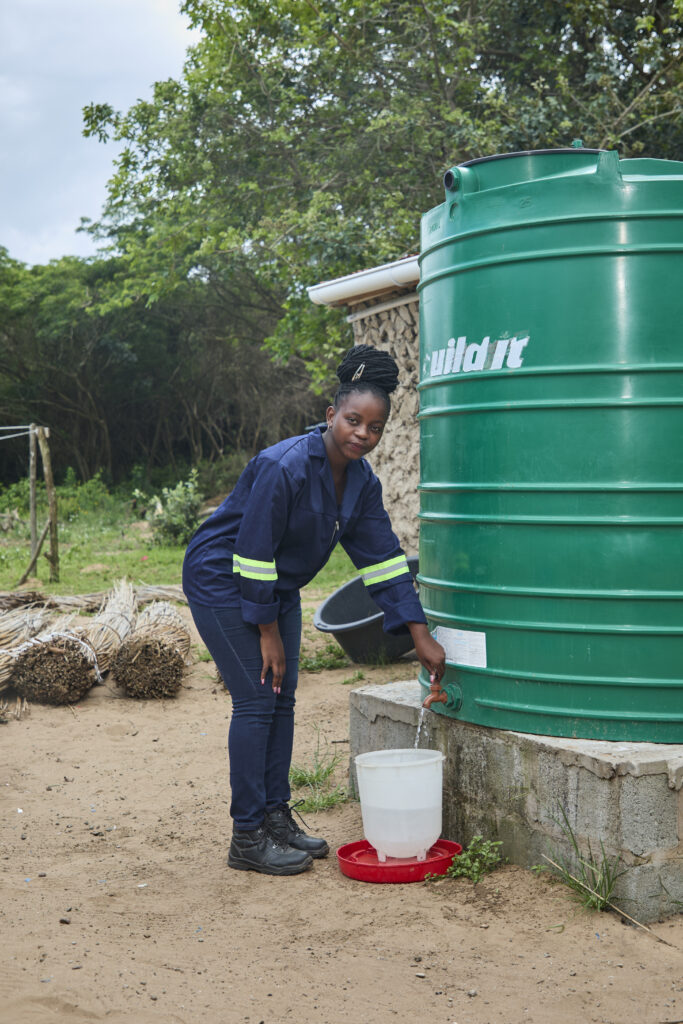
Nokuthula’s use of worm cultivation as an alternative poultry feed is innovative. How important is local innovation in addressing both climate vulnerability and food insecurity in rural KZN?
Local innovation is critical. Communities experiencing climate impacts are best positioned to identify context-specific, practical solutions. Nokuthula’s worm cultivation and Thobile’s use of invasive aquatic plants as feed demonstrate how innovation can simultaneously lower costs, restore ecosystems, and improve food access. These locally driven solutions are adaptive, affordable, and rooted in lived experiences.
The partnership between WILDTRUST and Indalo Inclusive appears pivotal. How do the Indalovator and Indalogrow phases support entrepreneurs beyond basic business training?
The Indalovator phase supports early-stage enterprise development, focusing on foundational business skills, leadership development, and formalisation. Successful participants transition into Indalogrow, which offers more advanced mentorship, tailored coaching, market-access support, and financial-planning guidance. This phased approach ensures entrepreneurs move beyond basic training toward long-term viability and scalability.
With 60% of the graduating enterprises being women-led, what barriers are these women overcoming, and how is the programme helping to dismantle systemic challenges?
Women in rural KZN often face limited access to capital, market networks, formal training, and decision-making spaces. Many also shoulder significant unpaid care responsibilities. The programme addresses these barriers through structured mentorship, business formalisation support, financial literacy training, and leadership development, helping women move from informal survivalist activities to structured, climate-smart enterprises with growth potential.
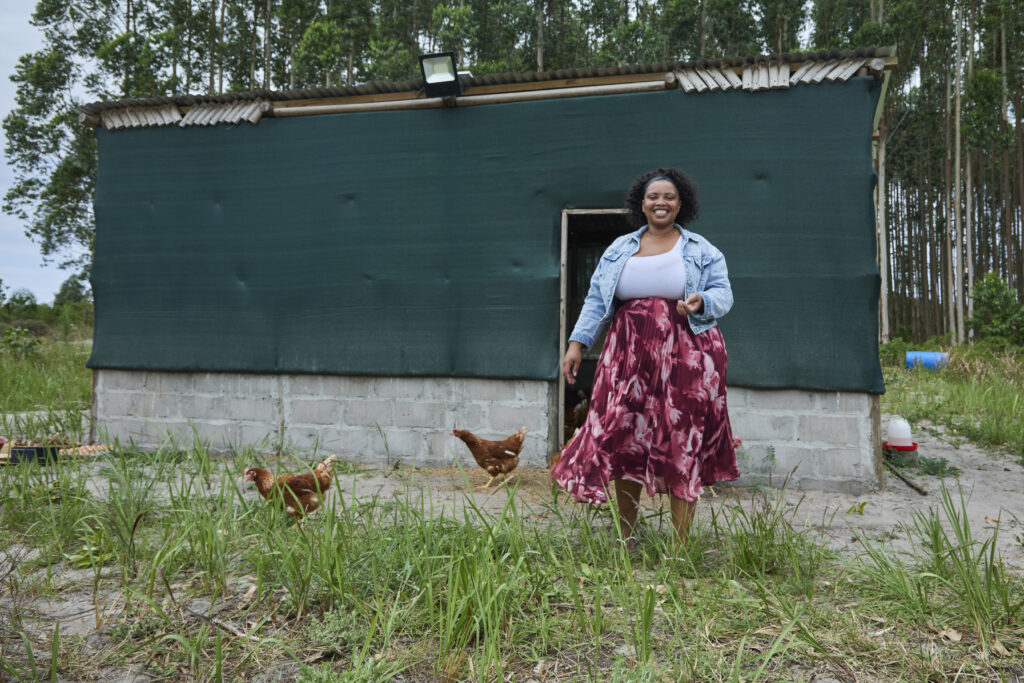
Thobile Shange’s work integrates academic expertise with community-based solutions. How important is it to combine formal education with locally driven knowledge in climate adaptation efforts?
Climate adaptation is most effective when scientific knowledge and lived experience intersect. Thobile’s work demonstrates how formal agricultural training can enhance community-based innovation. By combining academic expertise with locally rooted practices, adaptation strategies become both technically sound and contextually relevant. This integration strengthens credibility, sustainability, and community ownership.
The Small-Scale Fishers and MPA Project also highlights women’s leadership in conservation. How does involving women in co-management strengthen relationships between MPAs and local fishing communities?
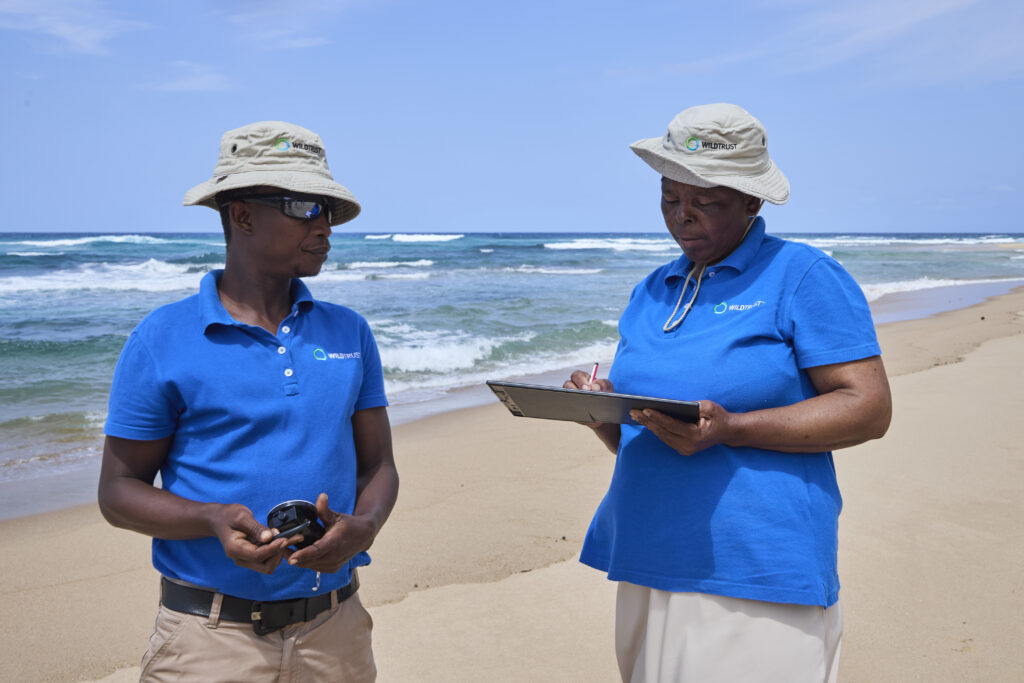
Women serving as Small-Scale Fisheries (SSF) Monitors play a vital bridging role between communities and Marine Protected Areas (MPAs). Their involvement improves communication, builds trust, and fosters cooperative resource management. By elevating women’s leadership in conservation, the initiative promotes more equitable participation and strengthens long-term co-management relationships.
Jane Mthembu’s story reflects long-term instability within community-based programmes. What makes this renewed SSF and MPA initiative more sustainable than previous efforts?
Unlike earlier, short-term or disrupted programmes, the renewed SSF and MPA initiative operates within a structured, multi-partner framework under the broader EbA project umbrella. It prioritises consistent engagement, clearer roles, and stronger institutional support. This approach provides greater stability for monitors like Jane and fosters sustained collaboration between fishers and conservation authorities.
Beyond individual success stories, what measurable environmental or economic impacts has the project recorded so far in the iSimangaliso region?
Economically, five enterprises have graduated through structured development phases, with 60% led by women. These businesses provide local employment, support dependents, and increase access to affordable protein in rural communities. Environmentally, enterprises incorporate climate-smart practices such as utilising invasive plants and adopting sustainable production methods, contributing to ecosystem restoration and reduced environmental pressure.
Looking ahead, how does WILDTRUST envision scaling this women-led climate resilience model to other vulnerable coastal or rural communities in South Africa?
The women-led, EbA-integrated enterprise model offers a replicable framework for other climate-vulnerable coastal and rural regions. By combining entrepreneurship support, structured mentorship phases, conservation partnerships, and ecosystem-based principles, the model can be adapted to different landscapes while maintaining its core focus on women’s leadership, climate resilience, and community empowerment.