
Soil, Spirit and Strategy: The Rise of Botebo Wines Under Tebogo Ditsebe
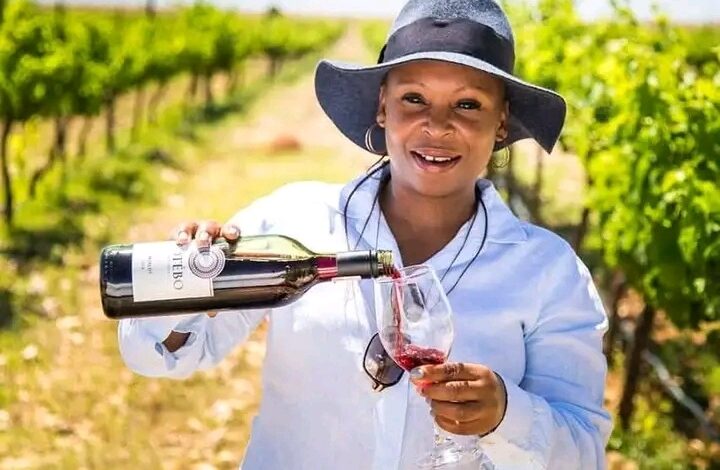
Soil, Spirit and Strategy: The Rise of Botebo Wines Under Tebogo Ditsebe. In the heart of the Free State lies a vineyard that hums with quiet purpose. It’s 48 hectares of red and lime-rich soil, tended by a woman whose entrepreneurial journey began in consulting, not winemaking. That woman is Tebogo Ditsebe, the founder of Botebo Wines. Her story is one of deep vision, grit, and a drive to build something lasting. And from her journey, there are powerful business lessons that any entrepreneur can use.
From Consultant to Cultivator
Tebogo’s first brush with business came through her training and consultancy firm in Kimberley, a venture she later described as “not doing well” when farm life beckoned. When a local farmer offered to sell his land, she saw more than acreage: she saw potential. She approached the Department of Rural Development and Land Reform, secured a 30-year lease under the Proactive Land Acquisition Strategy (PLAS) in 2013, and set out to rejuvenate a neglected farm.
To prepare, Tebogo did what many smart entrepreneurs do: she learned. She spent two years in the Cape, studying winemaking, soaking up both craft and community. Her decision to lean into education before scaling set a foundation for Botebo’s authentic, quality-first identity.
Turning the Soil into a Brand
Botebo, meaning “depth” in Sesotho, isn’t just a poetic name, it’s the backbone of a brand built on meaning. That “depth” connects to the rich terroir of the Free State soil, but also reflects Tebogo’s own life journey.
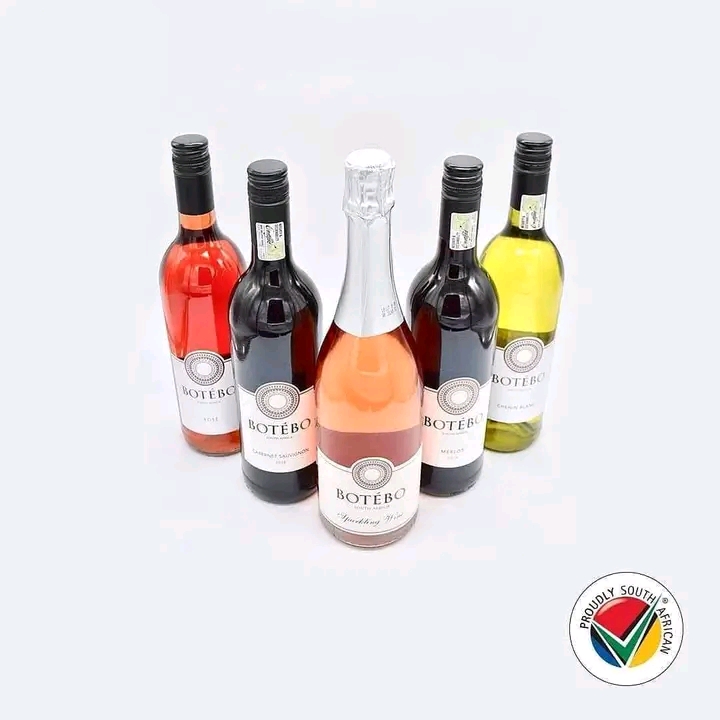
She officially launched the wine brand in 2015, offering varietals like rosé, sparkling, Cabernet Sauvignon, Merlot, and Chenin Blanc. Her grape portfolio wasn’t random, it was carefully chosen to reflect both her land’s character and market opportunity.
Strategic Wins: Funding, Sustainability, and Growth
Securing capital was one of Tebogo’s early strategic victories. In 2018, Botebo Wines won R450,000 worth of equipment through an agro-processing funding programme run by the Free State Department of Economic, Small Business Development, Tourism, and Environmental Affairs. She didn’t stop there: the national Department of Agriculture, Land Reform and Rural Development invested R3 million to expand her vineyard by five hectares for raisin production.
Her approach to growth shows two key strengths: resourcefulness and diversification. By blending wine and raisin production, she created multiple revenue streams, a classic entrepreneurial move that hedges risk and maximises land productivity.
Botebo’s sustainability practices are intentional too. The farm uses drip irrigation to conserve water, drawing from the nearby Van der Kloof Dam. Such practices not only reduce environmental impact, but also make her operations more resilient.
Building Community Through Business
Botebo is more than a business, it is a community employer. Tebogo maintains three permanent staff members and brings on between 30 to 50 seasonal workers during peak times like pruning and harvest. She also invests in training and development, building local capacity rather than exporting talent. Her leadership here shows that sustainable business means lifting up more than just your balance sheet.
Overcoming Bigger Challenges
Tebogo’s journey has not been without its trials. When she first acquired the farm, the vines were neglected and production was tiny. She also faced theft of grapes, especially high-value varieties, and damage from birds. To combat this, she strengthened her farm security and took practical steps to protect her vines. That resilience, in the face of both economic and environmental threats, demonstrated her long-term commitment.
Capital constraints loomed large, too. As an emerging farmer, she did not expect handouts but she did lean into public funding and matched it with personal investment. That blend of self-reliance and grant-seeking has become a blueprint for her growth.
Marketing with Meaning
Tebogo understood early on that a wine label is more than packaging, it’s storytelling. She deliberated on logo design, consulting friends and family before settling on a design that resonated. Her labels aren’t just attractive; they encapsulate her life experiences and the soil’s richness, and they speak directly to the soul of her brand.
She made strategic appearances, such as her first wine exhibition in Hyde Park in Johannesburg in 2016. There, she sold out her initial batch, a validating moment that told her she was on the right trajectory.
Lessons for Entrepreneurs
- Leverage transformative support: Tebogo’s use of PLAS and government funding shows how public programmes can be catalysts for business growth.
- Learn before scaling: Invest in industry education, even if you’re switching fields.
- Diversify early: Multiple income streams (wine + raisins) create resilience.
- Embed sustainability: Sustainable practices safeguard long-term quality and operations.
- Tell a genuine story: Brand identity rooted in personal journey helps connect with customers.
- Build community: Hire locally, train people, and give back, business can transform lives, not just make money.
- Face adversity head-on: Protect your assets, whether from nature or theft, and persist through challenges.
The Bigger Picture
Botebo Wines did not rise overnight. Tebogo Ditsebe’s journey is deeply rooted in her land, but also in her resolve to rise above difficult circumstances. She turned a 48-hectare farm into a thriving vineyard, built a wine brand from passion, and gave back to her community. Her story shows that success is not just about profit, it is about feeling, depth, and legacy. For any entrepreneur willing to work, learn, and cultivate, Botebo Wines stands as proof that true business strength grows from the soil.