Okuhle by Bonolo: How a Soweto Home Kitchen Brand Built a Meaningful Self Care Business
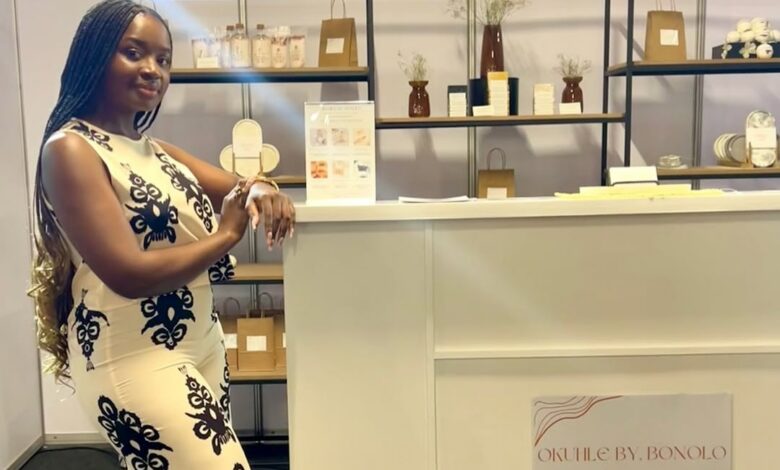
Okuhle by Bonolo: How a Soweto Home Kitchen Brand Built a Meaningful Self Care Business. In 2020, during a period of global uncertainty and personal reflection, a small idea began to take shape in Soweto, Johannesburg. It was not born in a corporate boardroom or a commercial lab, but in a home kitchen, through experimentation with raw shea butter and natural ingredients.
That idea became Okuhle by Bonolo, a growing bath, body, and home wellness brand founded on the belief that everyday routines can become intentional moments of calm, reflection, and joy.
What started small has since evolved into a broader gifting and lifestyle business. But the real story is not just growth. It is transformation, reinvention, and strategy shaped by lived experience.
A Brand Born From Reinvention and Intentional Living
Okuhle by Bonolo began at a time when many people were rethinking their paths and priorities. For the founder, 2020 became a turning point that led back to a long held passion: creating with intention.
The earliest products were simple but meaningful, starting with raw shea butter crafted in a home kitchen. There was no large scale production facility or external funding, only experimentation, care, and consistency.
This phase reveals one of the most important entrepreneurial lessons. Successful brands often begin with clarity of purpose before they ever achieve clarity of scale.
Building a Philosophy Around Everyday Rituals
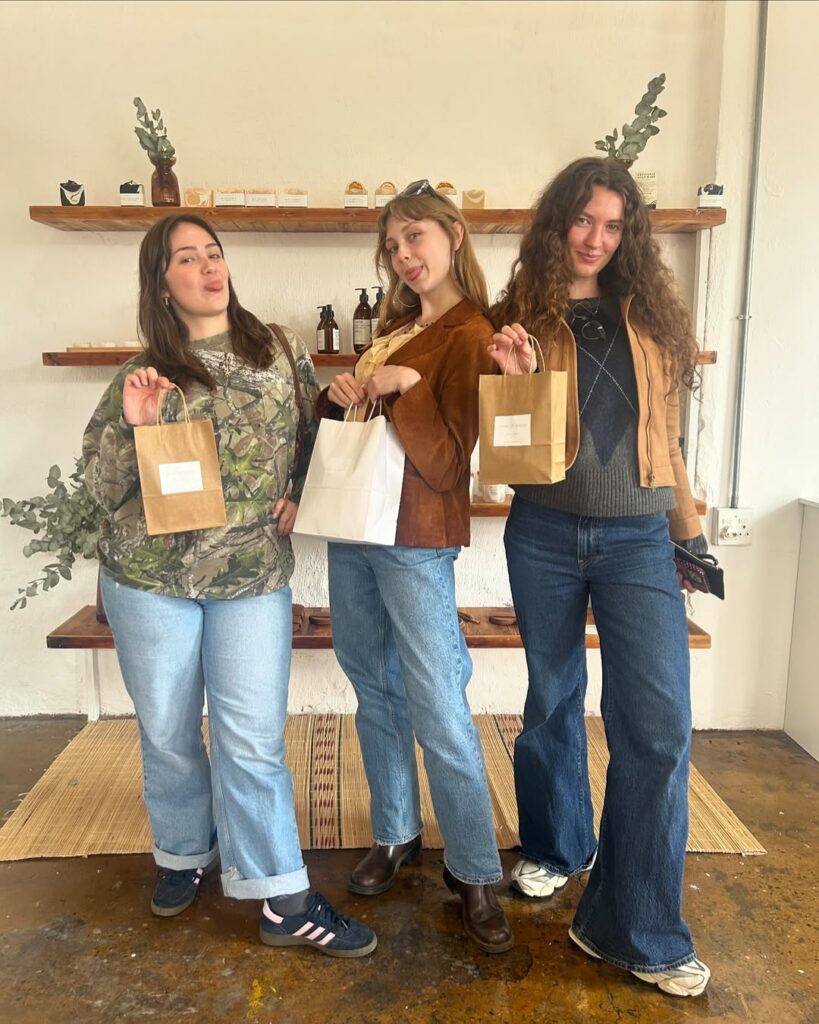
From the beginning, Okuhle by Bonolo was not positioned as just a product based business. It was built around a philosophy of ritual and intentional living.
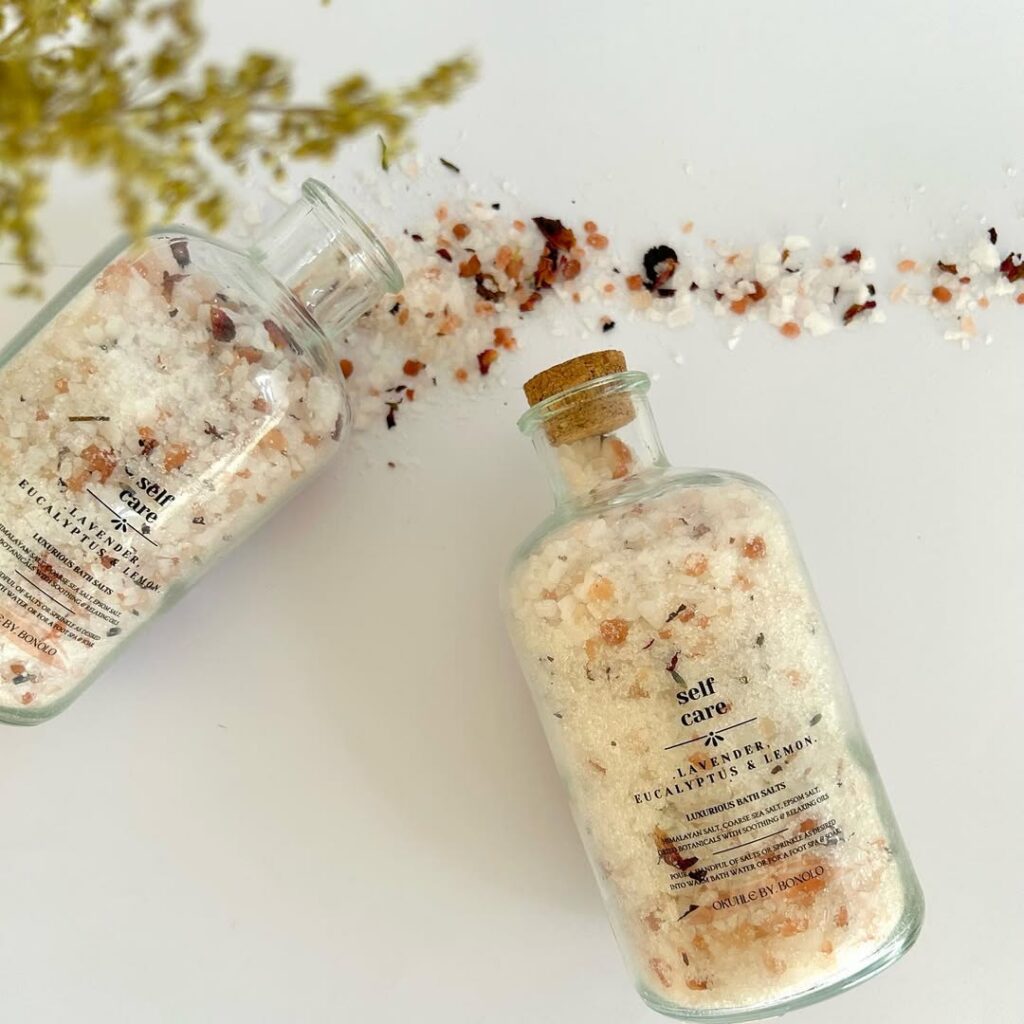
Each product was designed to transform ordinary routines into moments of mindfulness. Shower steamers, body oils, and home accessories were created not only for function, but for emotional experience.
This focus on ritual creation became a core differentiator.
In a crowded self care market, the brand did not compete on excess. It competed on meaning.
For entrepreneurs, this is a powerful insight. Products become stronger when they are tied to emotional experiences, not just utility.
Starting Small in Soweto: The Power of Home Based Entrepreneurship
The brand’s early production took place in a home kitchen in Soweto. This is where formulation, testing, and small batch production happened.
Operating at this scale required discipline, resourcefulness, and close attention to quality. Every product carried the direct imprint of its maker.
This stage reflects a critical turning point in many successful brands. Starting small is not a limitation. It is a testing ground for refining craft and understanding customer response.
The lesson is simple. Your first production environment is less important than your first proof of consistency.
Expansion Into Gifting and Experience Based Products
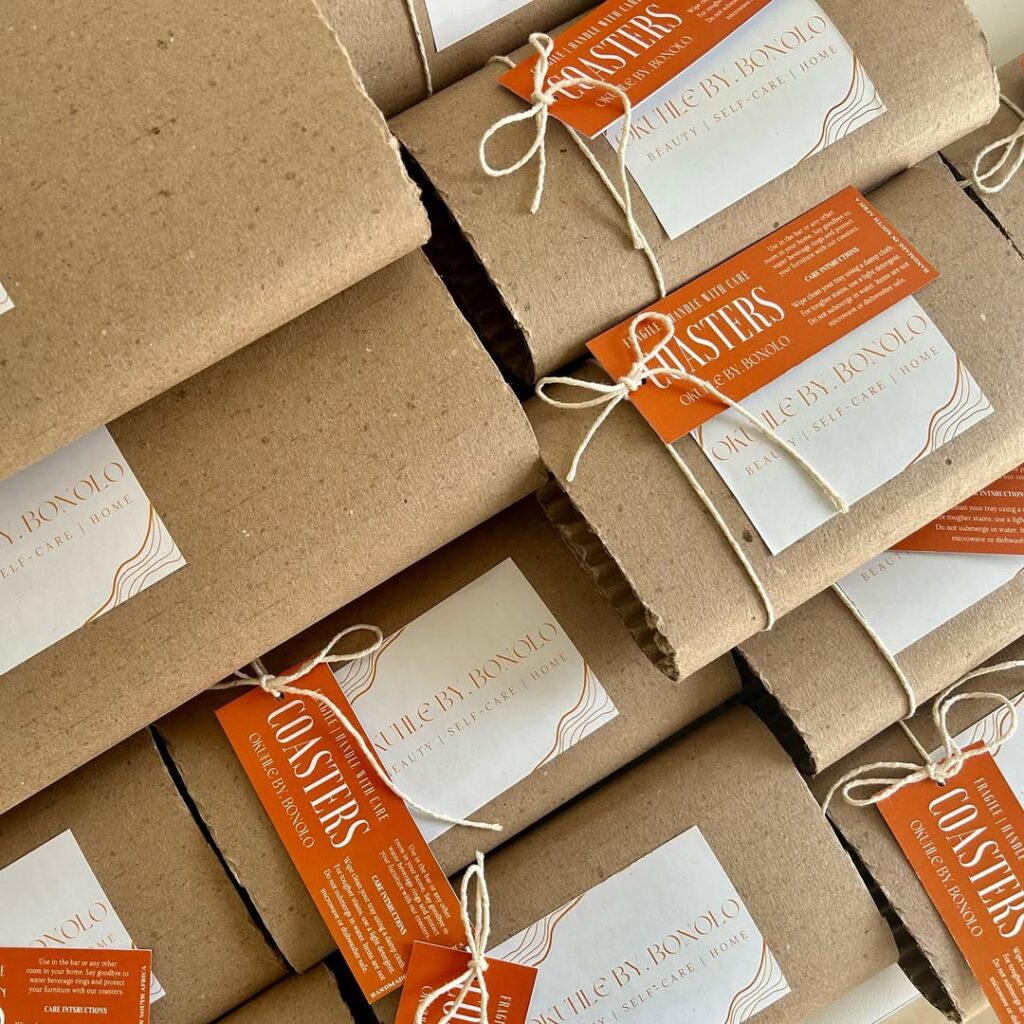
As the brand grew, Okuhle by Bonolo expanded from personal self care products into curated gifting solutions for personal, event, and corporate use.
This was a strategic milestone. Instead of limiting the brand to individual consumers, it began serving businesses and event based markets as well.
The expansion did not change the identity of the brand. Instead, it extended its philosophy of care and intention into new contexts.
For entrepreneurs, this demonstrates a key growth principle. Expansion works best when it amplifies your original purpose rather than replacing it.
Strategic Positioning in the Wellness and Gifting Market
Okuhle by Bonolo sits at the intersection of wellness, gifting, and lifestyle design. This positioning allows the brand to remain flexible while staying emotionally consistent.
Rather than focusing solely on skincare or home fragrance, the brand positions its offerings as meaningful experiences.
This approach strengthens customer perception. A product is no longer just something used. It becomes something felt and remembered.
The strategic lesson here is clear. Positioning is not about category. It is about emotional clarity.
Challenges of Scaling Handmade Intention
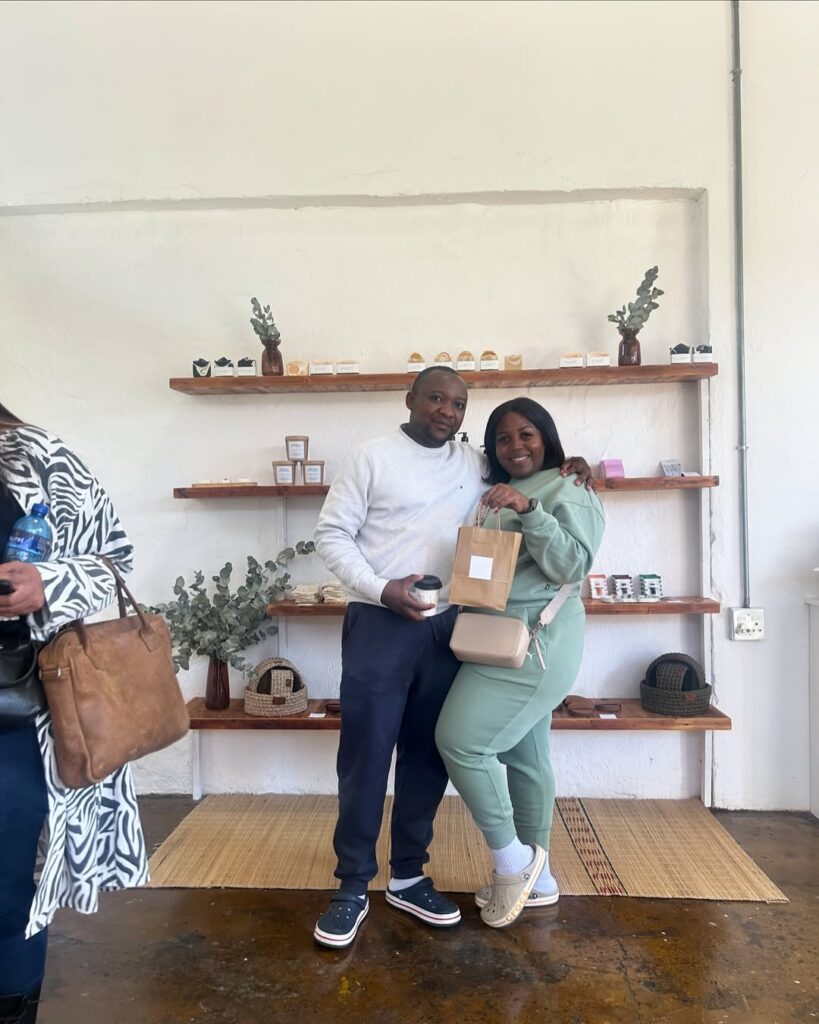
Like many handcrafted brands, one of the key challenges lies in maintaining quality and intentionality while scaling production.
As demand grows, the pressure increases to standardize processes without losing the personal touch that defines the brand.
Balancing scale with authenticity is a constant operational challenge.
This highlights an important reality for entrepreneurs. Growth introduces complexity, and complexity must be managed without compromising identity.
Strengths That Define Okuhle by Bonolo
Several strengths support the brand’s continued development:
- Strong foundation in intentional product design
- Clear philosophy centered on ritual and mindfulness
- Homegrown origin story rooted in Soweto
- Expansion into both personal and corporate gifting
- Focus on emotional experience rather than just product utility
- Commitment to craftsmanship and natural inspired creation
These strengths position the brand within a growing global demand for meaningful, experience driven self care.
Lessons From the Okuhle by Bonolo Journey
The story of Okuhle by Bonolo offers practical lessons for entrepreneurs building purpose driven businesses:
- Start with intention, not perfection
- Build products around emotional experiences, not just function
- Use small scale beginnings as testing grounds for quality
- Expand into new markets without losing your core philosophy
- Treat storytelling as a core business asset
- Protect craftsmanship as you scale
- Focus on meaning as a competitive advantage
Conclusion: Turning Small Moments Into Lasting Impact
Okuhle by Bonolo is more than a self care brand. It is a reflection of how creativity, reinvention, and intentional design can transform everyday rituals into meaningful experiences.
From a Soweto home kitchen in 2020 to a growing gifting and lifestyle brand, its journey shows that success is not only about scale. It is about depth.
For aspiring entrepreneurs, the message is clear. Build something that people do not just use, but feel. That is where real brand power begins.