Mbizo African Coffee: The Lessons Behind Xoliswa’s Journey From Culinary Entrepreneur to African Coffee Innovator
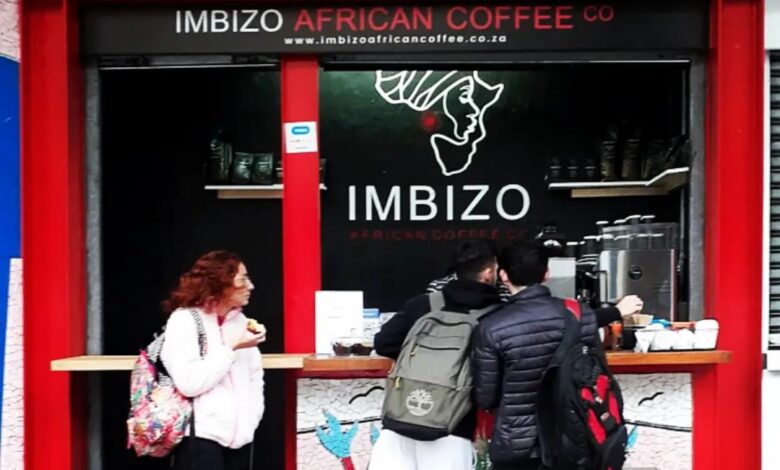
Mbizo African Coffee: The Lessons Behind Xoliswa’s Journey From Culinary Entrepreneur to African Coffee Innovator. Coffee brands often compete on taste alone, but the most enduring ones are built on story, identity, and cultural connection. That is exactly the foundation of Mbizo African Coffee, created by entrepreneur Xoliswa, who transformed her background in food and catering into a growing African coffee movement.
With over a decade of experience through her earlier venture Xsite Foods, she entered the coffee industry not as an outsider, but as a seasoned creator of culinary experiences. Her journey offers a powerful blueprint for building a brand that blends heritage, strategy, and innovation.
From Catering to Coffee: A Strategic Shift Rooted in Experience
Before Mbizo African Coffee existed, Xoliswa had already built a strong foundation in the food and beverage industry through Xsite Foods, a flourishing catering business.
This experience shaped her understanding of flavour, presentation, customer experience, and event based networking. These skills later became essential when she shifted her focus toward artisan coffee.
In 2008, she envisioned entering the artisan coffee sector, identifying it as a niche with untapped cultural and commercial potential in South Africa.
The key lesson here is that successful pivots are rarely random. They are built on accumulated experience. Xoliswa did not start from scratch. She expanded from mastery.
The Turning Point: Building a Coffee Vision Before Building a Product
Rather than immediately launching a product, Xoliswa spent years refining her vision. She focused on sourcing, production, and service design within an African coffee framework.
This long development phase became a defining strength. It allowed her to deeply understand the value chain before entering the market.
That strategic patience led to the establishment of Mbizo African Coffee in 2017, a brand designed not only to sell coffee but to represent a cultural gathering point.
The lesson for entrepreneurs is clear. Clarity before execution reduces costly mistakes later.
The Meaning of Mbizo: Turning a Name Into a Brand Philosophy
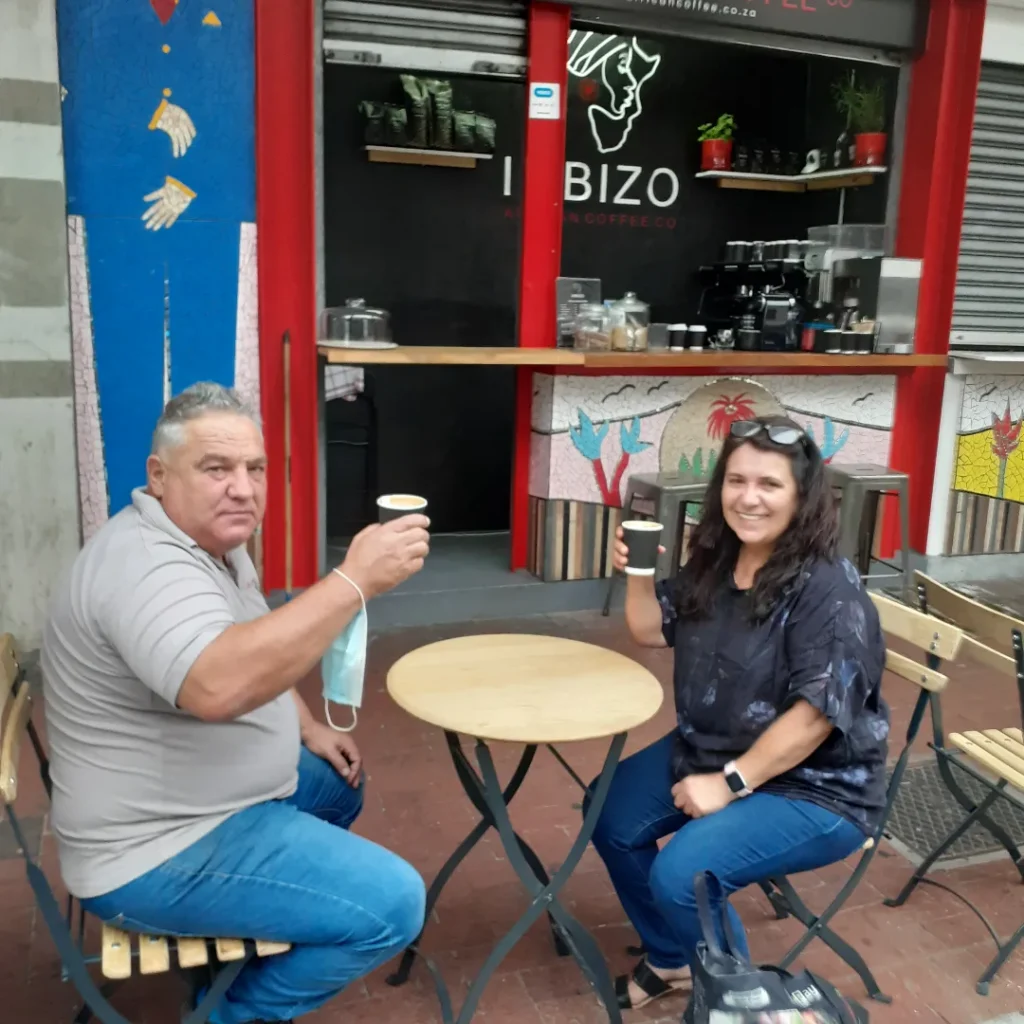
The name Mbizo, meaning “the gathering,” is central to the brand identity.
It reflects the convergence of people, ideas, resources, and culture. This is not just branding language. It is the operational philosophy of the business.
Every decision within the brand connects back to this idea of gathering. Whether it is sourcing beans, engaging customers, or building partnerships, Mbizo positions coffee as a social and cultural connector.
This is a critical branding insight. Strong brands do not just describe what they sell. They define what they stand for.
The Signature Blend Strategy: African Sourcing as a Differentiator
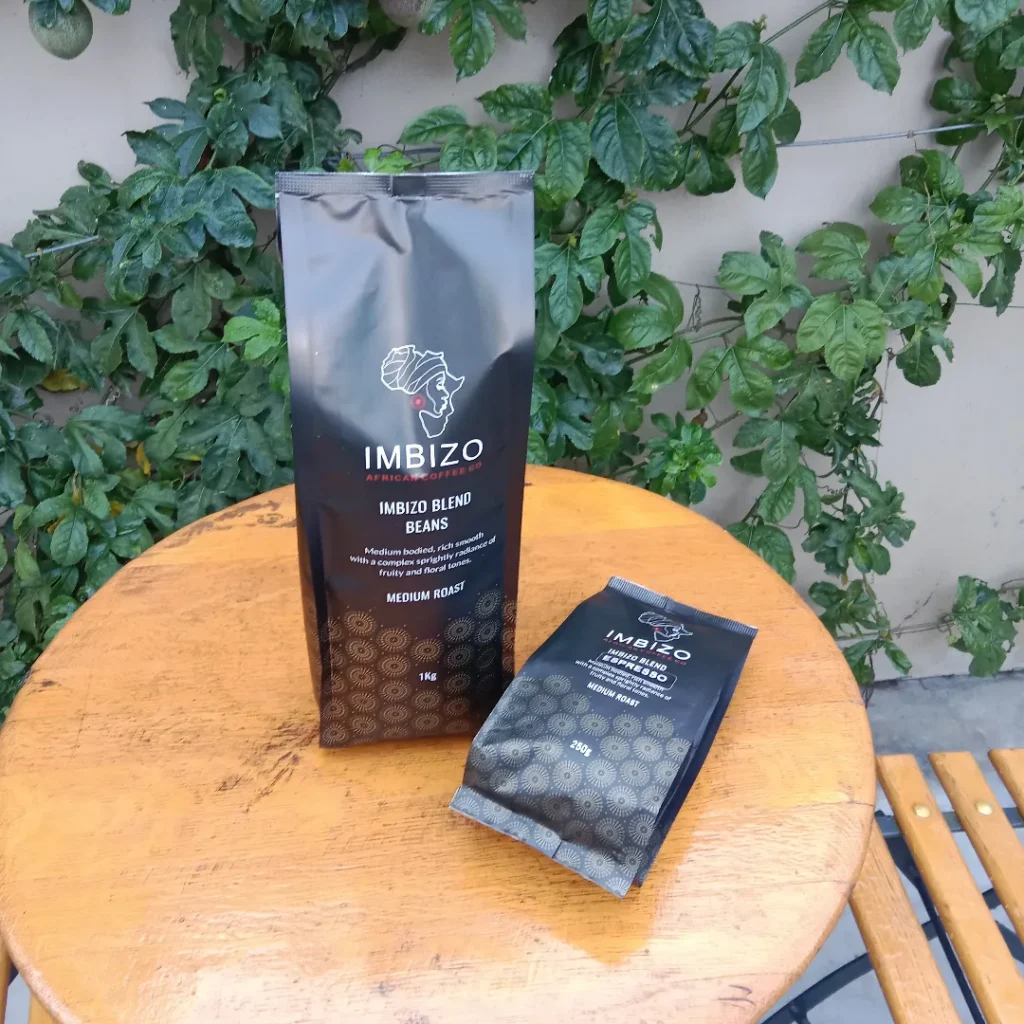
One of the strongest strategic decisions behind Mbizo African Coffee is its commitment to sourcing African origin raw green beans.
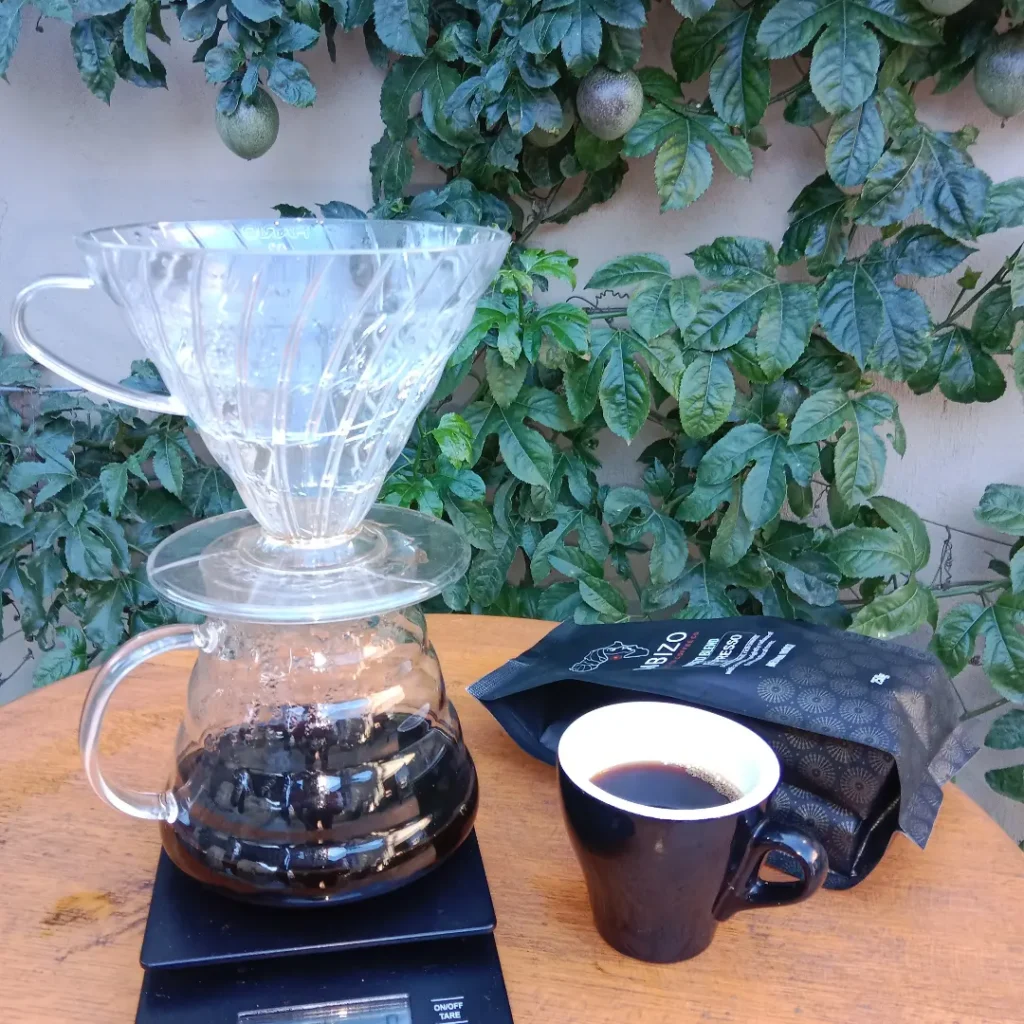
The signature Mbizo Blend is uniquely roasted and produced in Cape Town, South Africa, reinforcing both authenticity and local production value.
This sourcing strategy does two things at once:
- It strengthens brand authenticity by grounding the product in African agriculture
- It creates a unique selling proposition in a competitive global coffee market
In industries where products can feel interchangeable, origin and storytelling become powerful differentiators.
For entrepreneurs, the lesson is simple. Supply chain decisions are also branding decisions.
Expansion Into Corporate and Consumer Markets
As Mbizo African Coffee grew, it expanded beyond artisan retail into corporate, private, and office supply services.
This strategic move diversified revenue streams while strengthening brand visibility across multiple environments.
Corporate clients introduced the brand to new audiences, while private consumers reinforced its lifestyle appeal.
This dual market strategy is an important milestone. It shows how brands can scale without losing identity by adapting the same product to different contexts.
Strategic Strength: Networking, Culture, and Presentation
Xoliswa’s background in cultural events and hospitality played a major role in shaping Mbizo’s growth strategy.
Her experience in networking, presentation, and event based engagement became tools for brand positioning.
Instead of relying solely on traditional advertising, the brand grew through relationships, cultural engagement, and experiential storytelling.
This reflects an important entrepreneurial principle. In experience driven industries, how you present the product is as important as the product itself.
Challenges Behind Building a Niche African Coffee Brand
While Mbizo African Coffee is positioned as a growing artisan brand, building within a niche sector comes with real challenges such as market education, sourcing consistency, and establishing differentiation in a competitive global coffee industry.
What stands out in Xoliswa’s approach is long term thinking. Instead of rushing expansion, she focused on research, development, and controlled brand evolution.
This is a reminder that niche markets require patience. Education often comes before scale.
Lessons From the Mbizo African Coffee Journey
The journey of Mbizo African Coffee offers practical lessons for entrepreneurs across industries:
- Build from accumulated experience, not impulse
- Develop vision before rushing product launch
- Use brand meaning as a strategic foundation
- Turn supply chain choices into differentiation tools
- Expand into multiple customer segments without losing identity
- Leverage networking and cultural engagement as growth channels
- Prioritise research and patience in niche markets
A Coffee Brand Rooted in Gathering and Identity
Mbizo African Coffee is more than a beverage brand. It is a cultural expression built on experience, intention, and African sourcing.
Through the leadership of Xoliswa, it demonstrates how entrepreneurship can evolve from hospitality roots into a global product vision without losing authenticity.
Its story shows that when culture, strategy, and patience intersect, even a simple cup of coffee can become a symbol of connection.
For aspiring entrepreneurs, the message is clear. The strongest brands are not just built to sell products. They are built to bring people together.