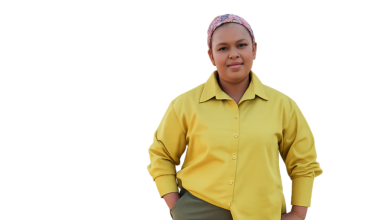
Usagey Wins Best Hackathon Solution At App Of The Year Awards: Interview With Nkosinathi Mbokazi

Usagey Wins Best Hackathon Solution At App Of The Year Awards: Interview With Nkosinathi Mbokazi. Nkosinathi Mbokazi, a South African developer and entrepreneur, is reshaping how startups approach usage-based billing through his innovative platform, Usagey. Drawing on his own experience with AI-driven projects, he recognized the difficulties developers face when building metering and billing systems. At the 2025 FNB App of the Year, Usagey earned the Best Hackathon Solution award, highlighting its impact and potential. In this interview, Nkosinathi discusses the inspiration behind Usagey, the challenges of building a product solo, and his vision for empowering South African developers to launch scalable, globally competitive solutions. Read about it below!
What inspired your idea?
I’ve seen how difficult it is for developers to set up usage-based billing, and I’ve experienced that pain myself when I wanted to track Ai usage in one of my side projects . I wanted to create a simple, developer-friendly solution, and the hackathon gave me the opportunity to challenge myself by building a full product solo with the help of AI. That combination inspired Usagey.
Hackathons move fast — how did your team streamline development within 72 hours?
I focused on the essentials and used AI heavily to accelerate my development. Working solo meant I had to be disciplined, build the core feature, testing it quickly, and iterate from there. AI helped me move faster by generating boilerplate code and helping me refine the idea without slowing down.
What real-world problem does Usagey solve?
Usagey solves the complexity of usage-based billing. Many SaaS and API products want to charge based on how customers use the service, but building metering and tracking logic correctly takes a lot of time and effort . Usagey makes that process simple and quick for developers.
What were your biggest technical or creative challenges during the hackathon?
Doing everything alone in such a short time was the biggest challenge. I had to make quick decisions about what mattered, simplify aggressively, and keep the experience very clean for developers. Balancing speed with a polished prototype was tough but rewarding.
How do you plan to evolve Usagey beyond its hackathon prototype?
My goal now is to improve what is already working and making Usagey more reliable at scale. I want to refine the developer experience, improve performance, and open the platform to more early users. From here, it’s about stability, polish, and making sure developers can trust Usagey in real production environments.
Which FNB App Academy insights helped shape your solution?
The Academy reinforced the importance of understanding the user journey and building for clarity. Those lessons helped me strip away unnecessary complexity and focus on making the core integration as simple as possible.
What impact do you foresee Usagey having in South Africa?
South African startups or developers often don’t have the resources to build complex billing systems. If Usagey can remove that barrier, more local founders can ship products faster, experiment with pricing models, and compete globally with usage-based offerings.
How has the hackathon shaped your career or entrepreneurial ambitions?
It showed me how quickly I can build when I trust my instincts and use AI as a multiplier. It’s given me the confidence to keep building and to pursue more founder-driven projects.
Are you planning to commercialise or further build on this idea?
Yes. There’s clear demand for usage-based billing tools, especially with the rise of API and AI products. I plan to continue developing Usagey, bring in more adopters, and explore commercial opportunities.
What does this recognition mean for your future in tech?
It’s a big encouragement. Being recognised validates the problem I’m solving and motivates me to keep improving the product. It also opens doors and builds momentum for what comes next.