
Crafted With Purpose: How Houtlander Turned South African Furniture Into Award Winning Design
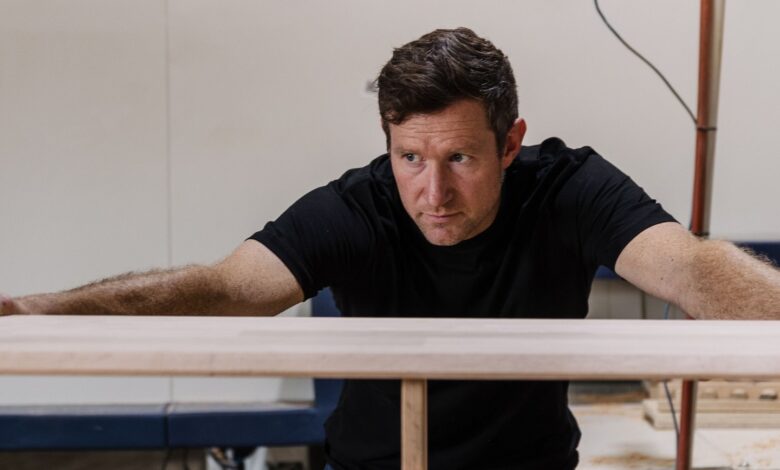
Crafted With Purpose: How Houtlander Turned South African Furniture Into Award Winning Design. Furniture often gets reduced to function. A chair is something to sit on. A table is something to eat on. But for Phillip Hollander, the founder of Houtlander, furniture has always meant something deeper. It is about craftsmanship, process, detail, and the relationship between people and the objects they live with every day.
What started as a passion for making things has grown into one of South Africa’s most respected furniture brands, blending traditional woodworking with advanced manufacturing technology. Along the way, Houtlander has collected major design awards, exhibited internationally, expanded its workforce dramatically, and built a reputation for producing handcrafted furniture without compromising quality or purpose.
Behind that rise are valuable lessons about innovation, patience, sustainability, and staying deeply connected to the craft itself.
Building a Brand Around Craftsmanship and Precision
Houtlander’s identity was shaped by a clear philosophy from the beginning. Phillip Hollander believed that good design should not only look beautiful but also function flawlessly and stand the test of time.
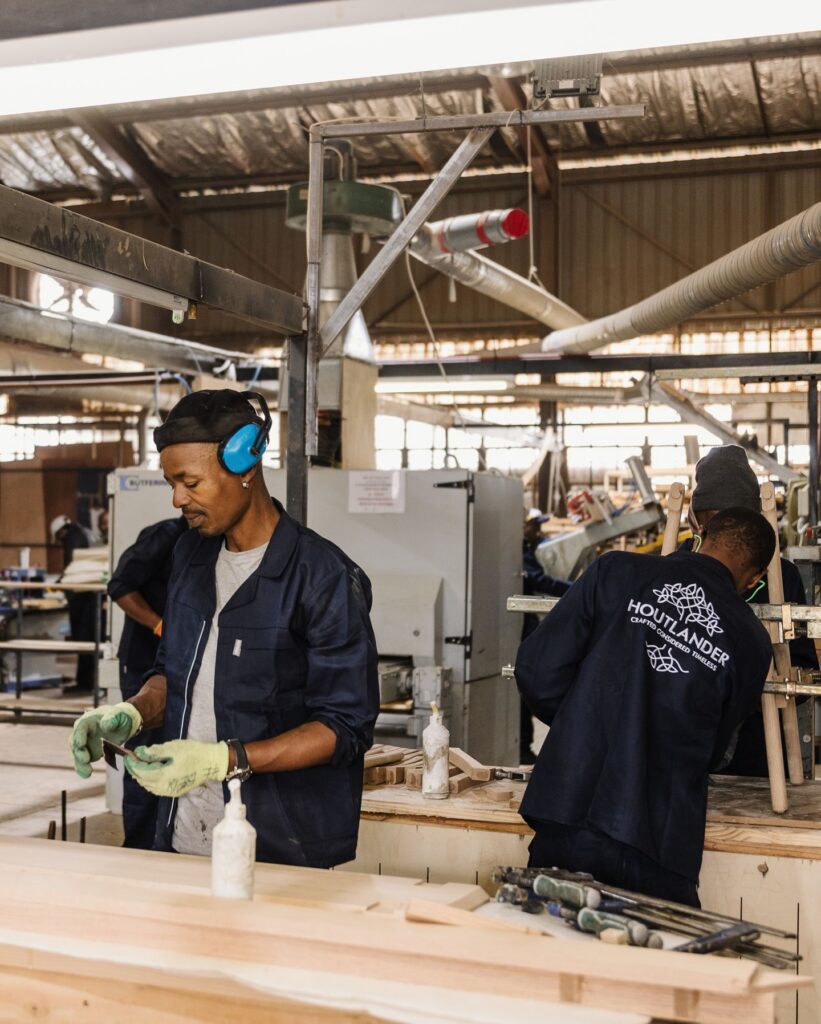
Rather than choosing between handcrafted techniques and modern technology, Houtlander combined both. The company uses traditional craftsmanship alongside 5 axis CNC technology to produce furniture that carries the warmth and individuality of handmade work while reducing imperfections and unnecessary waste.
That balance became one of the brand’s strongest competitive advantages.
Many businesses struggle because they treat technology as a replacement for craftsmanship or creativity. Houtlander approached it differently. Technology became a tool that enhanced craftsmanship instead of erasing it.
For entrepreneurs, this offers an important lesson: innovation works best when it strengthens your core identity instead of distracting from it.
The Power of Process Over Hype
Phillip Hollander’s philosophy is heavily influenced by the Japanese concept of Kaizen, which focuses on continuous improvement and eliminating waste.
That mindset shaped the company culture at Houtlander. Instead of chasing trends or rushing products to market, the brand focused on refining processes, improving efficiency, and mastering the details behind production.
This attention to process became visible in the final product.
Customers may not always see what happens inside a factory, but they feel the results through consistency, quality, and durability. Houtlander understood that sustainable growth often happens quietly through repeated improvements rather than dramatic overnight breakthroughs.
For founders building brands today, this is a reminder that long term success is usually built in the background through systems, discipline, and patience.
Turning Design Into Global Recognition
One of the major turning points for Houtlander came through recognition in the design world.
In 2017, the company won Best Furniture Design at 100% Design for the Coronation Bench. A year later, Phillip Hollander was named Best South African Designer at 100% Design.
Then came a series of milestones in 2019 that pushed the brand even further onto the international stage.
The Interdependence Bench won Most Beautiful Object in South Africa at Design Indaba and was later showcased at Milan Design Week with Rossana Orlandi. The Hlabisa Bench, created in collaboration with MashT Design and Beauty Ngongo, was presented at the Révélations International Biennial of Crafts and Creation at the Grand Palais in Paris.
These achievements did more than bring prestige. They positioned Houtlander as a serious South African design brand capable of competing globally.
The lesson here is powerful. Awards alone do not build businesses, but strategic visibility can accelerate credibility. Houtlander used exhibitions, collaborations, and international showcases to expand awareness without losing its local identity.
Collaboration as a Growth Strategy
Another defining strength behind Houtlander’s rise has been collaboration.
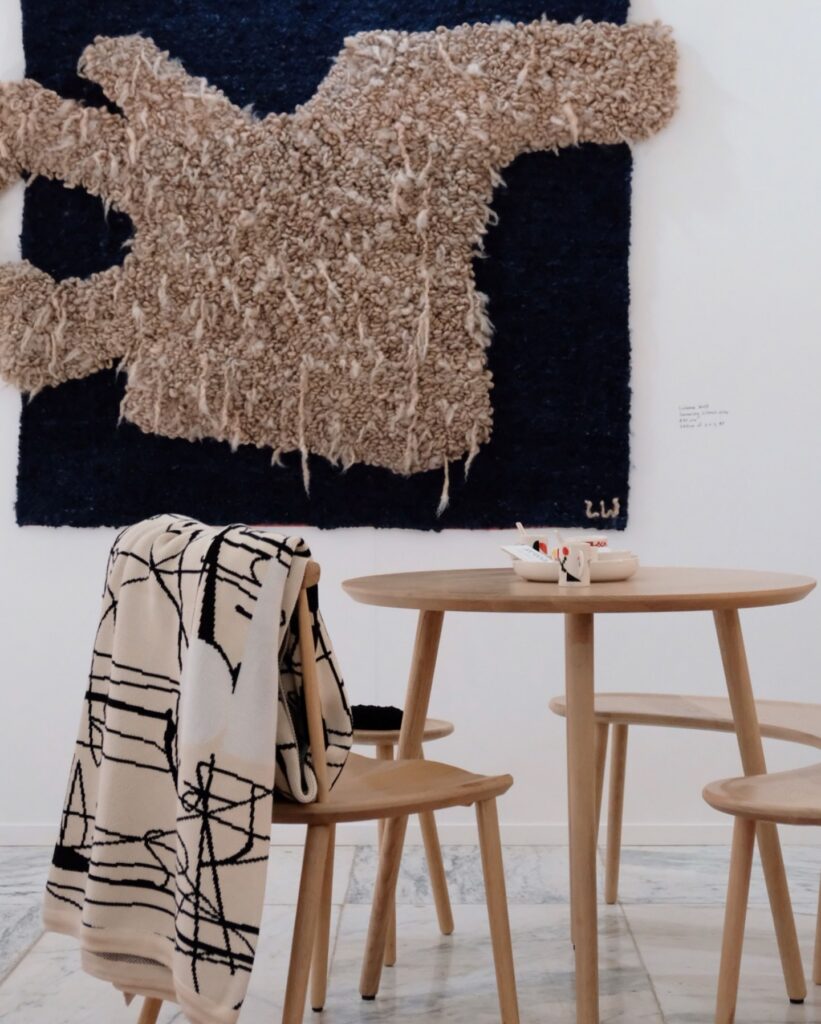
The company worked with respected creatives such as MashT Design, Beauty Ngongo, Trevor Stuurman, and AHEC on various projects and exhibitions. These partnerships allowed the brand to enter new creative conversations while introducing its work to wider audiences.
Importantly, the collaborations aligned naturally with the brand’s values and design philosophy.
Too many businesses pursue partnerships simply for attention. Houtlander’s collaborations felt intentional and authentic, which strengthened the brand instead of diluting it.
For entrepreneurs, the takeaway is clear: the right partnerships should deepen your identity, not confuse your audience.
Growing Without Losing the Human Element
As Houtlander expanded, the company faced another challenge that many growing businesses encounter: how to scale without losing culture and quality.
The company grew from a five person team to around 60 employees within five years. Yet despite this growth, Houtlander continued investing in people and skills development.
The company provides apprenticeships that combine advanced CNC technology with handcrafted woodworking techniques, creating opportunities for people who might otherwise struggle to enter the carpentry trade.
Houtlander also actively supports employees and hires from a nearby mentally handicapped facility, reflecting a commitment to participation and transformation within its community.
This human centred approach became part of the brand’s identity.
Customers increasingly care about how products are made and who benefits from the process. Houtlander understood that strong businesses are built not only through products but also through the impact they create around them.
Why Houtlander’s Story Matters
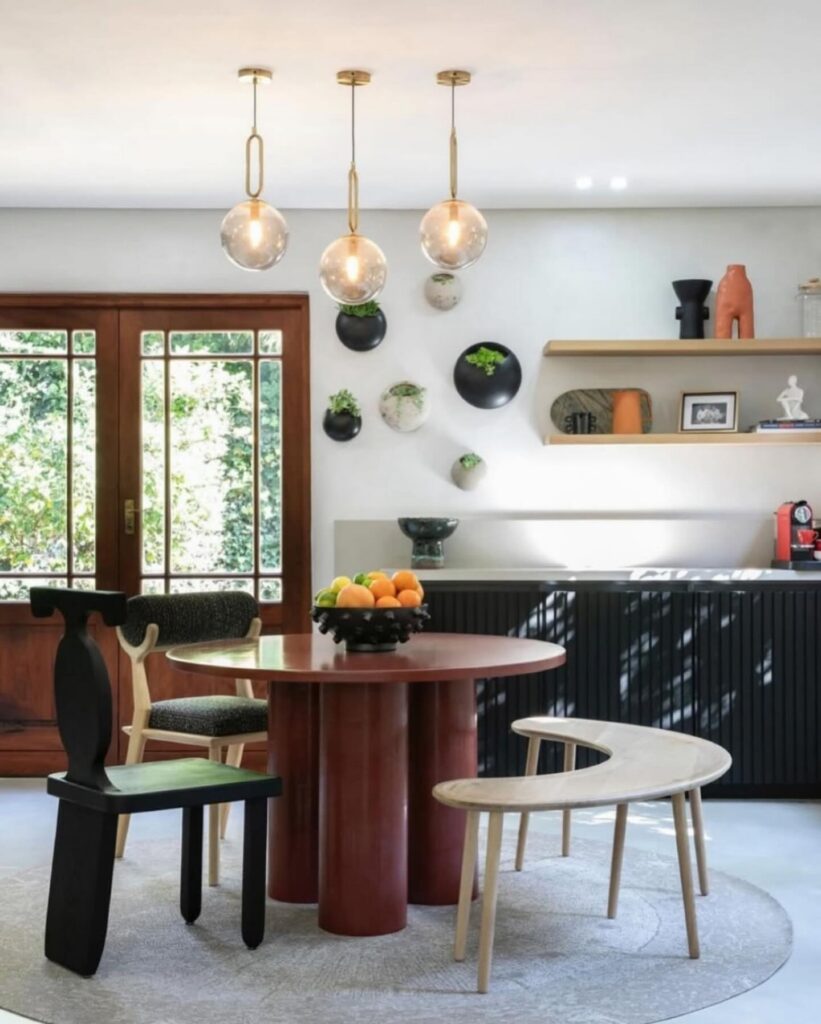
Houtlander’s journey shows that modern brands do not have to choose between artistry and efficiency, growth and integrity, or innovation and tradition.
Phillip Hollander built a company by respecting the process, embracing technology thoughtfully, and staying committed to craftsmanship at every stage.
In a world obsessed with speed and mass production, Houtlander succeeded by slowing down enough to focus on quality, intention, and meaningful design.