
How Enkanyezini Supermarket Built Trust, Opportunity, and Growth in Nongoma
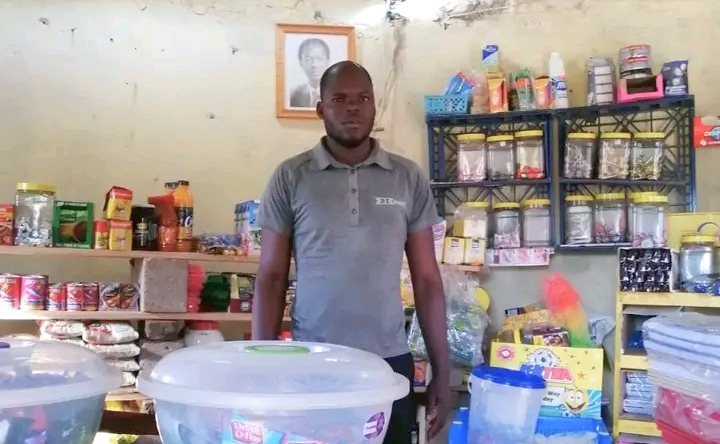
How Enkanyezini Supermarket Built Trust, Opportunity, and Growth in Nongoma. In many rural communities, the local supermarket is more than a place to buy groceries. It becomes part of the rhythm of everyday life. It is where neighbours meet, where families rely on daily essentials, and where small economic ecosystems quietly develop. For Vuyani Thabani Khumalo, that understanding became the foundation of a growing business journey rooted in service, consistency, and community impact.
At just 35 years old, Vuyani built Enkanyezini Supermarket into a grocery business serving the people of Osuthu in Nongoma, KwaZulu-Natal. While many entrepreneurs chase flashy industries or social media trends, his focus remained practical: provide essential goods, create local opportunities, and steadily strengthen operations.
That approach may sound simple, but simplicity executed well is often what creates long-lasting businesses.
Seeing Opportunity Where Others Saw Limitations
One of the most powerful lessons behind Enkanyezini Supermarket is that entrepreneurship often begins with observation.
Vuyani did not build his business around luxury products or complicated technology. He focused on a basic but essential human need: access to groceries within the community.
In smaller towns and rural areas, convenience matters deeply. People value businesses that save them transport costs, provide reliable stock, and understand local buying habits. By positioning Enkanyezini Supermarket inside the community it serves, Vuyani created a business with direct relevance to people’s daily lives.
That is an important entrepreneurial lesson many people overlook.
Successful businesses are not always the ones with the biggest ideas. Often, they are the ones that solve clear, recurring problems consistently.
Entrepreneurs sometimes underestimate the value of becoming dependable. Yet reliability is one of the strongest forms of marketing any business can have.

Funding Helped Strengthen the Foundation
Every growing business eventually reaches a stage where support becomes necessary to unlock the next phase of growth. For Enkanyezini Supermarket, that turning point came through funding support from the National Youth Development Agency Zululand District Centre.
Vuyani received over R47,000 in funding assistance, which was used for stock, equipment, and materials. Importantly, the funding was directed toward operational growth rather than unnecessary expansion.
That distinction matters.
The smartest entrepreneurs use funding to improve business capacity, strengthen customer experience, and increase operational efficiency. In this case, the support helped the supermarket expand and serve customers more effectively.
Many businesses fail because they receive financial assistance without a clear operational plan. Enkanyezini Supermarket demonstrates the opposite. The funding became a tool for strengthening the business foundation rather than a shortcut to unsustainable growth.
For aspiring entrepreneurs, this offers a practical lesson: funding works best when attached to discipline and purpose.
Community Focus Became a Competitive Advantage
One reason Enkanyezini Supermarket stands out is its deep connection to the local community.
The business does not simply operate in Osuthu. It serves the area intentionally. That distinction is important because community-centred businesses often build stronger customer loyalty than businesses focused only on transactions.
People remember businesses that understand their needs.
Vuyani’s supermarket provides essential grocery items while also creating employment opportunities for two young people in the area. Even at a relatively small scale, that impact matters because employment in many communities represents stability, dignity, and economic circulation.
This reflects another important lesson in entrepreneurship: businesses grow stronger when communities feel connected to their success.
Customers are more likely to support businesses that create visible value around them. Enkanyezini Supermarket became more than a shop. It became part of the local economic fabric.

Small Improvements Create Long-Term Growth
One of the most revealing details in Vuyani’s journey is his focus on improving delivery services, increasing daily sales, and growing the customer base.
Those goals may not sound dramatic, but they reveal something important about sustainable entrepreneurship: successful founders think incrementally.
Instead of chasing overnight expansion, Vuyani appears focused on improving systems step by step. That mindset often creates more durable businesses because growth is tied to operational reality rather than hype.
The mention of improving delivery services is particularly significant.
Modern customers increasingly value accessibility and convenience. Even in community-based businesses, service innovation can become a major differentiator. Businesses that adapt to changing customer habits are more likely to remain competitive over time.
For entrepreneurs, this is a reminder that innovation does not always mean inventing something new. Sometimes innovation simply means improving how customers experience your service.
Entrepreneurship as a Tool for Personal Transformation
Perhaps the most powerful part of Vuyani’s story is his reason for becoming an entrepreneur.
“For Vuyani, entrepreneurship was about creating opportunities where there were none.”
That sentence captures the reality behind many successful South African businesses. Entrepreneurship is often born not from abundance, but from necessity, ambition, and a desire to create a different future.
One of the visible signs of his progress came when he shared that the growth of the business enabled him to buy himself a car. While some may view that as a small achievement, it represents something much bigger: the direct impact of disciplined business growth on personal mobility and independence.
Real entrepreneurship changes lives gradually before it changes them dramatically.
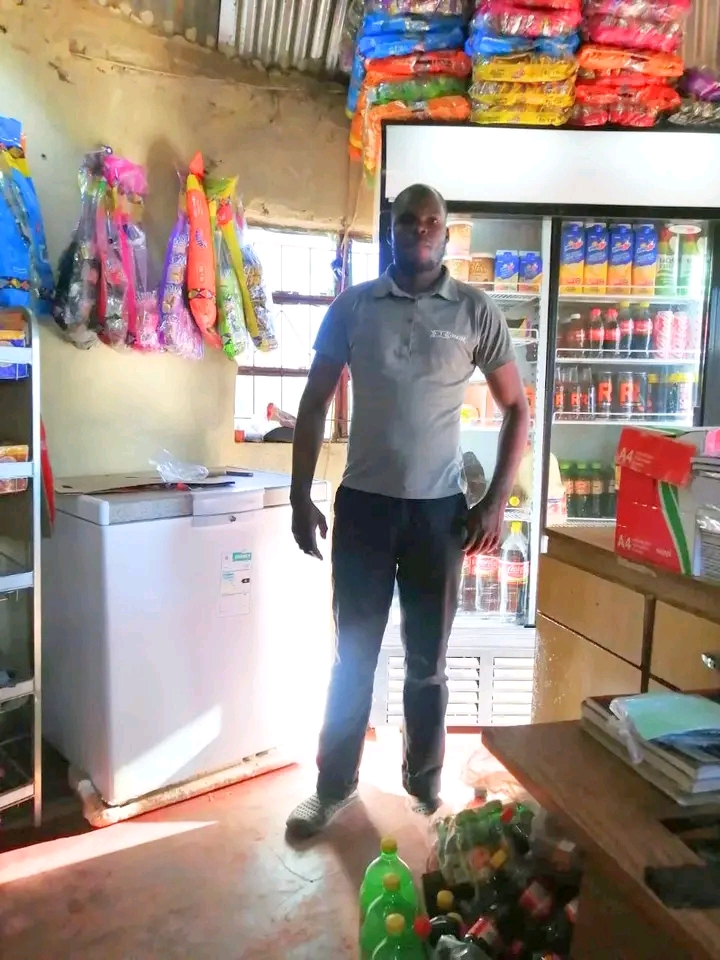
The Bigger Lesson Behind Enkanyezini Supermarket
The journey behind Enkanyezini Supermarket proves that impactful businesses are not always built in major cities or backed by massive capital.
Sometimes they are built in local communities by entrepreneurs who understand people’s everyday needs better than anyone else.
Vuyani Thabani Khumalo built his supermarket through practical thinking, community focus, and steady improvement. He used funding strategically, created employment opportunities, and continued expanding his vision without losing sight of the people he serves.
For aspiring entrepreneurs, the lesson is clear: you do not need to start with everything. You need to start with purpose, consistency, and a willingness to grow step by step.