Kinkel Jewellery: How South African Nature Inspires Handcrafted Design
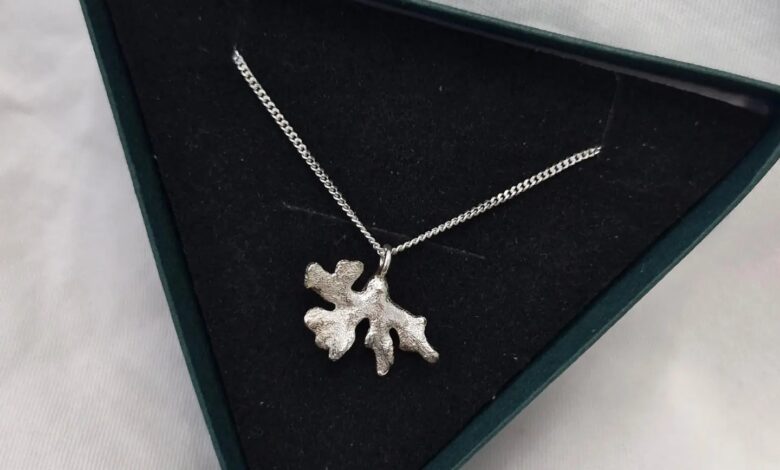
Kinkel Jewellery: How South African Nature Inspires Handcrafted Design. In a market where jewellery can easily become defined by changing trends, Kinkel Jewellery draws its identity from something enduring: the natural world. Established in 2012, the Cape Town-based brand brings creative, whimsical designs to life, taking inspiration from South Africa’s fauna, flora and the intricate patterns found in nature.
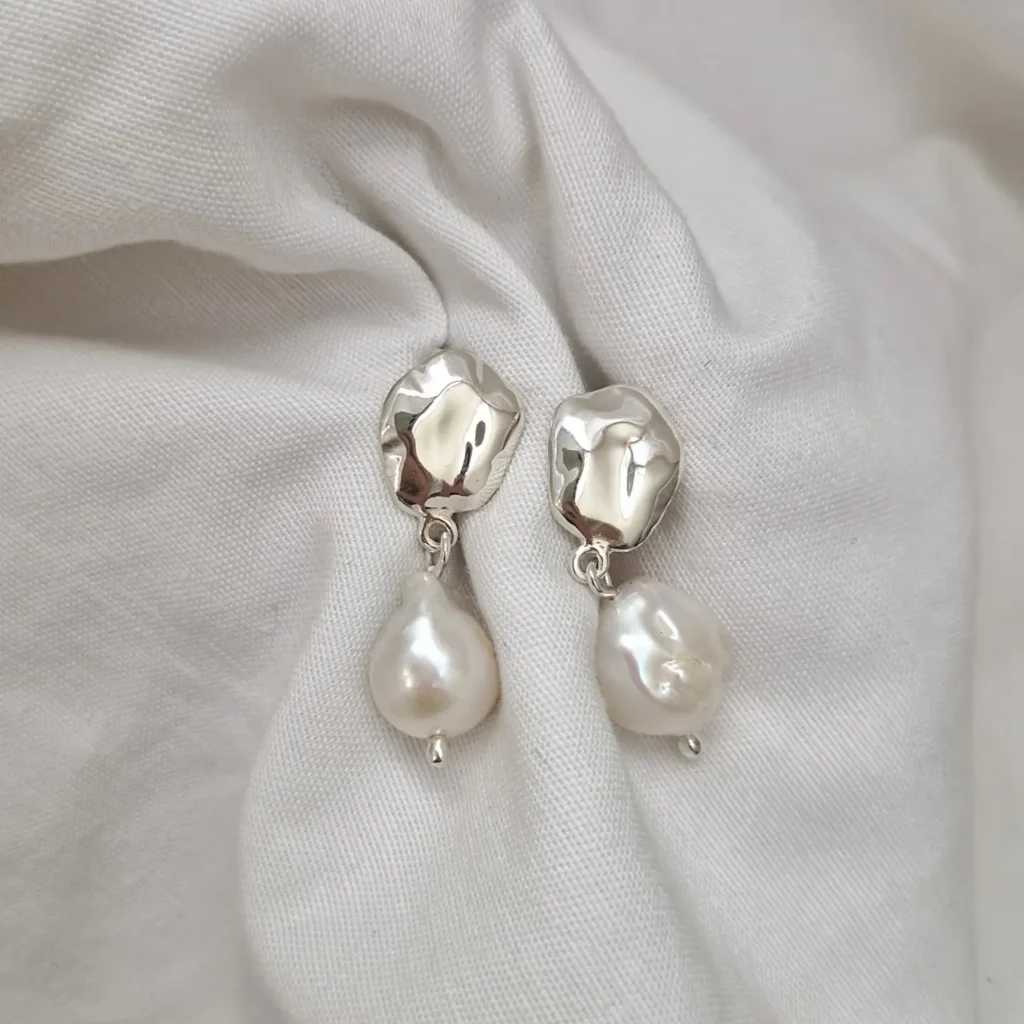
At the centre of the business is Marleen van Wyk, its founder and designer, who handcrafts each piece in her Cape Town studio. Her approach combines artistic expression with technical precision, producing jewellery intended to be more than a temporary fashion accessory. The brand aims to create elegant, timeless pieces that can last a lifetime and become cherished heirlooms.
Kinkel Jewellery’s story offers an important lesson for entrepreneurs: a distinctive brand identity can emerge from a clear creative vision supported by practical skills. Rather than relying on a broad promise to make beautiful jewellery, the business connects its designs to a recognisable source of inspiration and a defined approach to production.
For a small creative business, that combination can help customers understand what makes its products different.
Turning Formal Training Into a Creative Foundation
Marleen’s journey towards establishing Kinkel Jewellery began before the brand itself. Originally from Simon’s Town, she developed a passion for jewellery and the creative arts before earning a degree in Jewellery Design from Stellenbosch University in 2011.
She then travelled to Germany to complete a six-month design course at Pforzheim Design School, where she learned techniques that enriched her approach to jewellery design. Inspired by her travels across Europe, she returned to South Africa and completed a two-year goldsmith internship to strengthen her technical abilities.
These experiences formed an important part of the foundation behind Kinkel Jewellery, combining design education with practical goldsmithing skills.
For aspiring entrepreneurs, this progression highlights the value of developing both creative and technical capabilities. An appealing concept is only one part of building a product-based business. The ability to execute that concept consistently is equally important.
Marleen’s training also demonstrates that learning can extend beyond formal qualifications. International exposure introduced new techniques, while her subsequent internship provided an opportunity to refine the practical skills needed to bring designs to life.
The lesson is not that every entrepreneur needs to study abroad. It is that investing in relevant knowledge and developing the ability to deliver a product to a high standard can strengthen the foundation of a business.
Translating South African Nature Into a Recognisable Design Identity
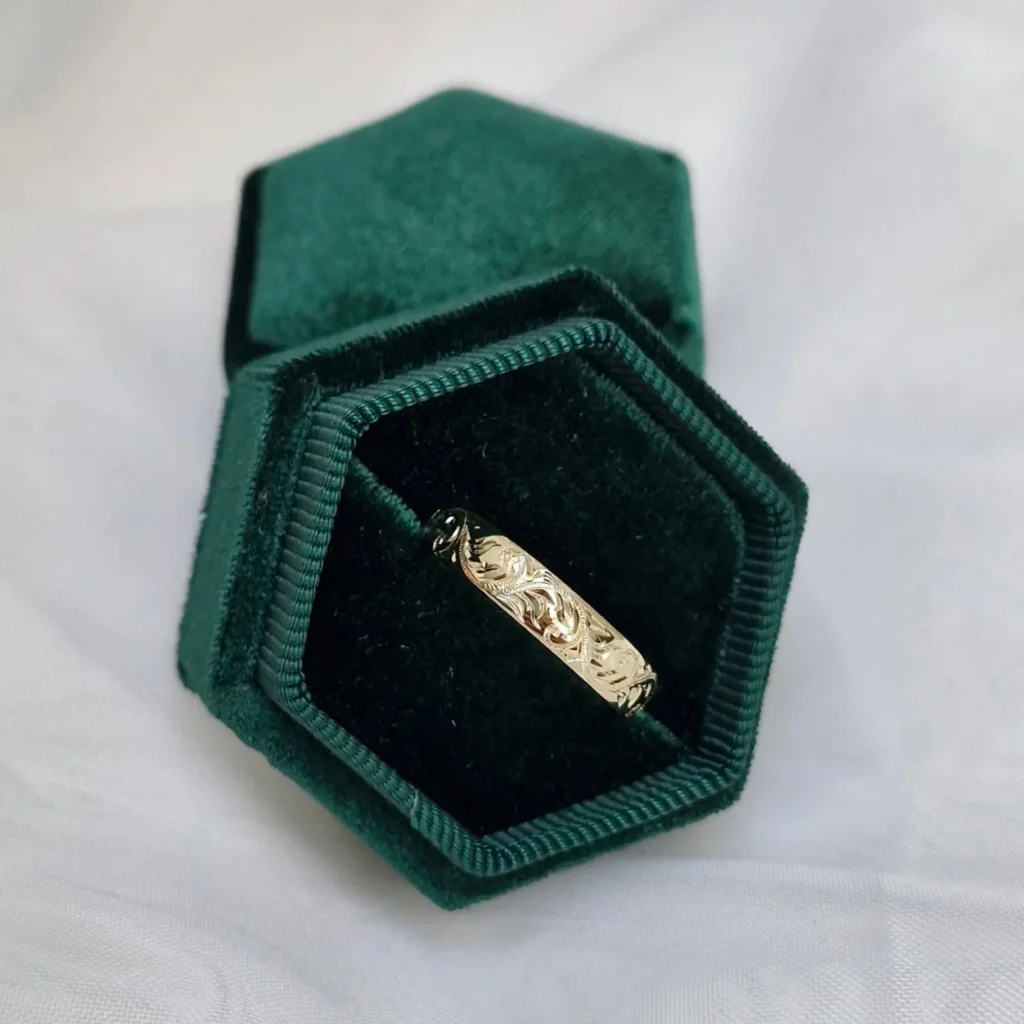
Kinkel Jewellery draws inspiration from the rich fauna and flora of South Africa. Rather than treating nature as a passing theme, the brand uses the natural world as a continuing source of creative direction.
Its designs are described as whimsical and distinctive, with an emphasis on elegance and timelessness. This gives the brand a clear creative foundation: the surrounding natural world informs the jewellery, while craftsmanship determines how that inspiration is expressed in each finished piece.
For entrepreneurs, this illustrates the importance of building a brand around an identifiable point of view. Businesses operating in competitive markets need to give customers a reason to remember them. A clear design philosophy can provide that distinction, particularly when it influences the products themselves rather than existing only in promotional language.
The practical takeaway is to identify the ideas, materials or experiences that genuinely shape a business. A strong creative identity does not require a completely new concept for every product. It can develop through exploring a consistent source of inspiration in different ways.
For Kinkel Jewellery, South African nature provides that ongoing creative reference.
Why Handcrafted Production Matters
Every Kinkel Jewellery piece is handcrafted in the brand’s Cape Town studio. Because the jewellery is made by hand, each item carries its own character.
This production approach is central to the brand’s identity. The business brings together individual design, technical skill and hands-on craftsmanship, giving each creation a direct connection to the designer who makes it.
The approach also reinforces Kinkel Jewellery’s commitment to producing high-quality pieces intended to last. Rather than positioning its jewellery solely as an accessory for a particular occasion, the brand aspires to create objects that customers can treasure for years.
For entrepreneurs, the lesson is to make sure a product’s quality promise is reflected in how it is created. When craftsmanship is a defining feature, the production process becomes part of the value being offered to customers.
However, handcrafted production also requires careful attention to time, detail and consistency. Businesses adopting this model need to understand their production capacity and ensure that their standards remain achievable as demand changes.
Although the available information does not specify Kinkel Jewellery’s production volumes, its commitment to making every piece by hand establishes craftsmanship as a defining part of its business model.
Sustainable Design and the Value of Longevity
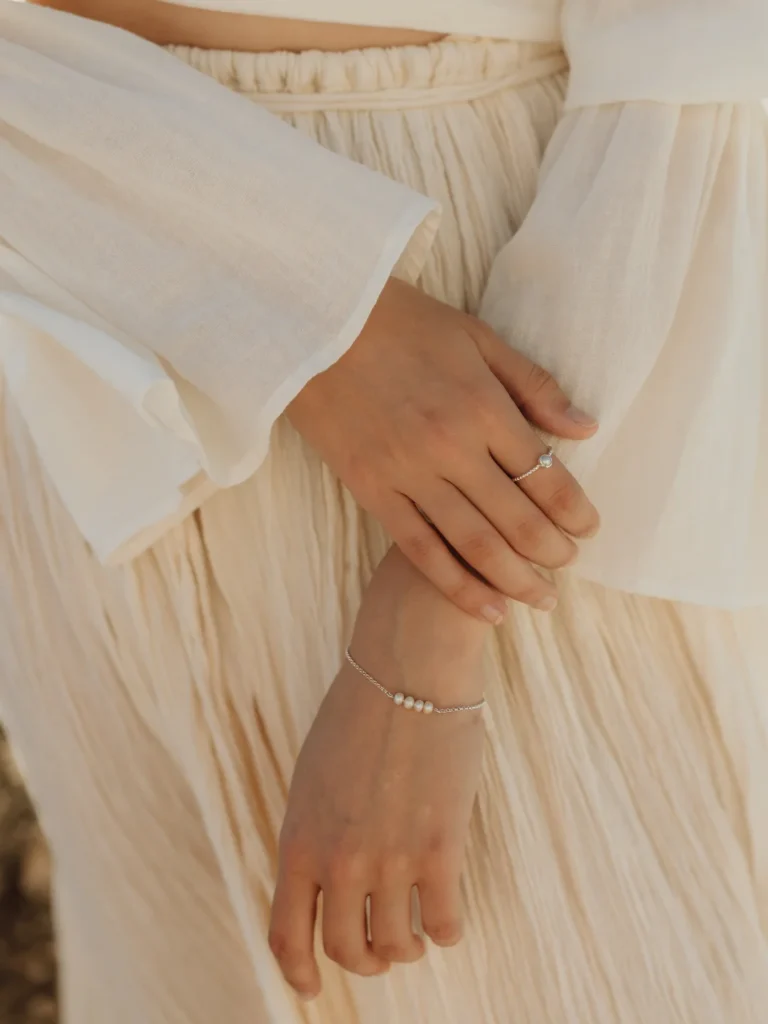
Kinkel Jewellery states that it is committed to sustainable design and creating high-quality jewellery that lasts a lifetime. Its ambition to produce cherished heirlooms connects durability with the emotional value of owning a piece of jewellery.
This is a meaningful distinction in how a product can be positioned. Instead of focusing exclusively on immediate visual appeal, the brand emphasises longevity, individuality and the possibility that a piece may remain valuable to its owner over time.
For business owners, this offers a practical lesson in aligning product quality with brand messaging. If a business promises durability, the materials, design decisions and workmanship should support that promise.
Sustainability should also be communicated precisely. Kinkel Jewellery identifies sustainable design and long-lasting quality as commitments, but the information provided does not specify particular materials, environmental certifications or manufacturing impact measurements. Those details should not be assumed.
The broader business principle remains useful: brands can build a clearer identity when their values influence tangible product decisions rather than functioning as abstract statements.
Staying Open to Custom Requests
Kinkel Jewellery also invites customers to get in touch if they are looking for something special that is not included in its listed offerings. The brand describes itself as welcoming new challenges.
This creates an opportunity for conversations around individual customer needs. It also complements the business’s emphasis on handcrafted work, where the designer’s skills and creative approach are central to producing each piece.
For aspiring entrepreneurs, the lesson is to consider how customer enquiries can inform a service offering. A business does not necessarily need to anticipate every possible request in advance. Providing a clear way for customers to discuss their needs can reveal opportunities to apply existing skills in new ways.
The important consideration is to assess each request against the business’s capabilities, available time and quality standards. Flexibility can be valuable when it remains consistent with the brand’s identity.
The Lasting Value of a Clear Creative Vision
Since its establishment in 2012, Kinkel Jewellery has centred its identity on Marleen van Wyk’s design vision, South African natural inspiration and handcrafted production.
Its journey highlights several practical lessons for creative entrepreneurs: invest in the skills needed to execute an idea, establish a recognisable design identity, connect product quality to brand promises and remain attentive to individual customer needs.
The available details do not establish specific sales milestones, retail expansion or marketing results, so the brand’s development is best understood through the creative and production principles it documents.
Kinkel Jewellery demonstrates how a designer can bring together formal training, technical experience and a personal source of inspiration to create a distinctive product offering. By keeping craftsmanship and longevity at the centre of its approach, the brand presents jewellery as more than decoration. Each piece is an expression of design intended to be worn, treasured and kept.