
Van Schaik Migrates to Shopify to Strengthen Student E-Commerce Offering
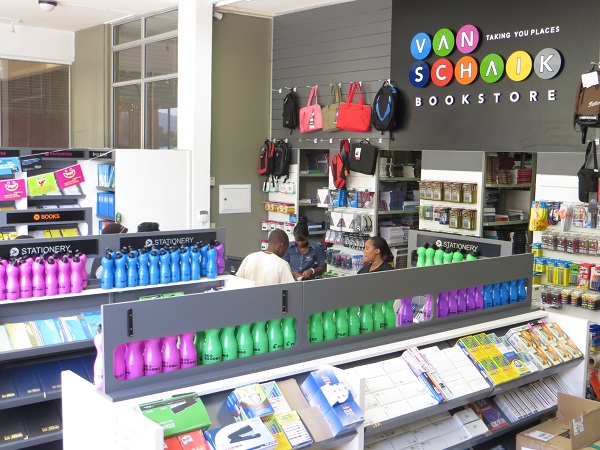
Van Schaik Migrates to Shopify to Strengthen Student E-Commerce Offering. Van Schaik, one of South Africa’s leading academic bookstores, has launched a new e-commerce site at www.vanschaik.com following a migration from its long-running custom-built platform to Shopify. The move is aimed at better serving the country’s evolving student market and supporting the retailer’s expanding product catalogue.
Van Schaik has steadily grown beyond textbooks and stationery to include a wider range of book and non-book products. As the catalogue expanded, the limitations of its legacy platform became increasingly difficult to manage. Routine updates took longer, integrations required more effort, and scaling introduced risks during peak student demand periods.
“Many established businesses reach a point where bespoke systems stop being an advantage,” said Simon Bestbier, CEO of Realm Digital, the technology partner that led the migration. “Migrating to a platform like Shopify allows teams to focus on serving customers rather than maintaining custom infrastructure.”
The migration was delivered with a strong emphasis on continuity. Catalogue data, integrations, and operational processes were carefully transitioned to ensure the new site could support peak student demand without disruption. Rather than over-customising, the site was built to leverage Shopify’s core capabilities and ecosystem, improving reliability and performance while making it easier to introduce new product categories and manage promotions.
Chris Fouche, Special Projects and Group Business Development Manager at Van Schaik, said: “Our students’ expectations of online shopping have changed significantly in recent years. Migrating to Shopify gives us a stronger foundation to grow our e-commerce offering, improve the customer experience, and respond more quickly to evolving student needs.”
From an operational perspective, the move reduces reliance on heavily customised infrastructure, lowering the cost and risk of change while giving teams more control over day-to-day e-commerce activity.
The project reflects a broader trend among South African retailers reassessing custom e-commerce platforms. As digital expectations rise, many are finding that proven platforms, delivered by partners with deep contextual knowledge, offer a more resilient and sustainable path forward.