Badoodoo: The Pet Brand Turning Thoughtful Design Into a Growing Community
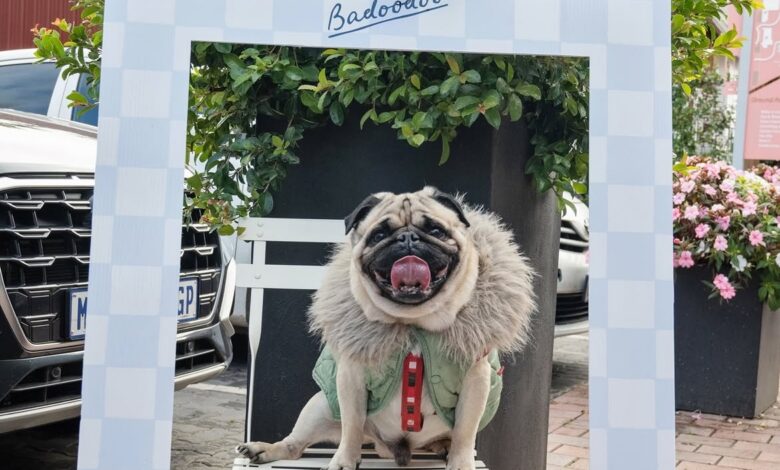
Badoodoo: The Pet Brand Turning Thoughtful Design Into a Growing Community. Badoodoo did not begin with a complicated business plan. It began with a simple frustration. In 2021, Margie and her daughter Paula were looking for beautiful, well-made products for dogs, but kept encountering the same type of offering: generic pet shop shelves filled with cheap imported products that felt mass-produced and overly commercial.
Instead of accepting that as the norm, they decided to create something different.
That decision became the foundation of Badoodoo, a proudly South African pet wellness and lifestyle brand built around thoughtful design, quality products and a strong sense of community. Its journey offers useful lessons for entrepreneurs about identifying gaps, building a clear identity and turning a small idea into a brand that people can connect with.
Turning a Frustration Into a Business Opportunity
One of Badoodoo’s most important strategic decisions was recognising that the problem was not simply a lack of dog products. Products were available, but Margie and Paula saw an opportunity to offer something that felt more considered and personal.
Badoodoo was built around the belief that dog products could be beautiful, functional, thoughtful and community-driven.
For entrepreneurs, this is an important distinction. A market gap does not always mean customers have no access to a product. Sometimes the opportunity lies in improving the experience, quality or emotional connection surrounding an existing category.
Badoodoo’s starting point demonstrates the value of paying attention to everyday frustrations. A repeated problem can become the starting point for a differentiated business when an entrepreneur is willing to build an alternative.
Building Around Quality and Local Collaboration
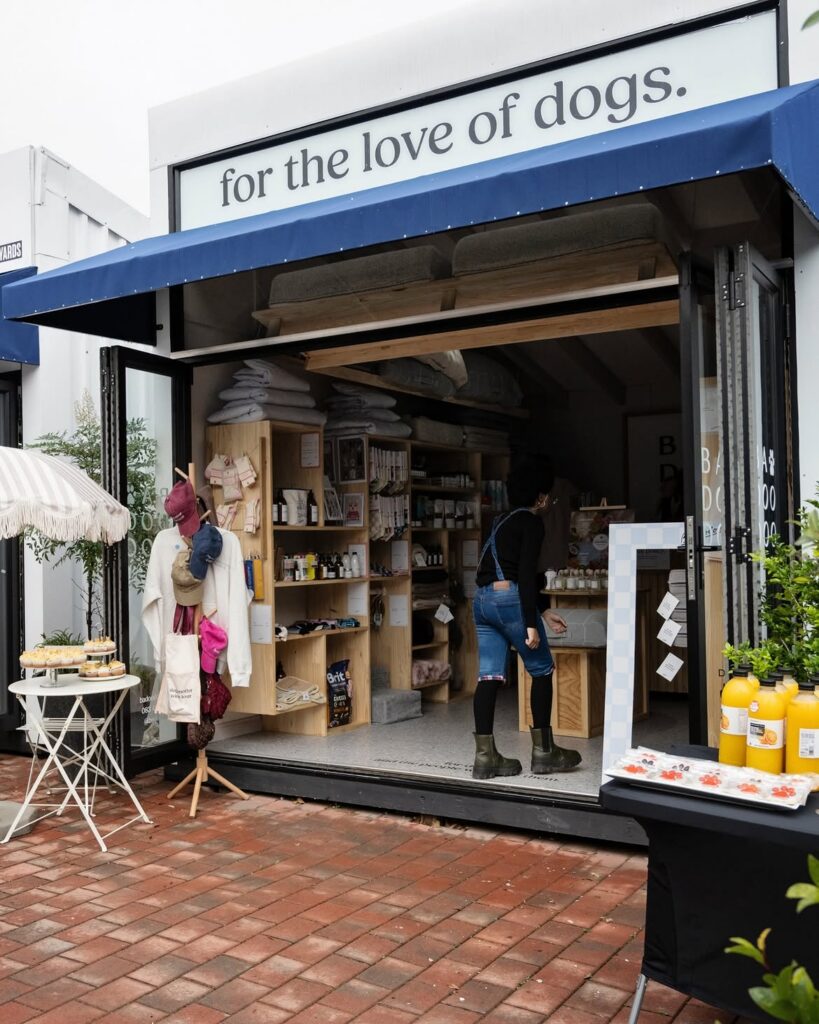
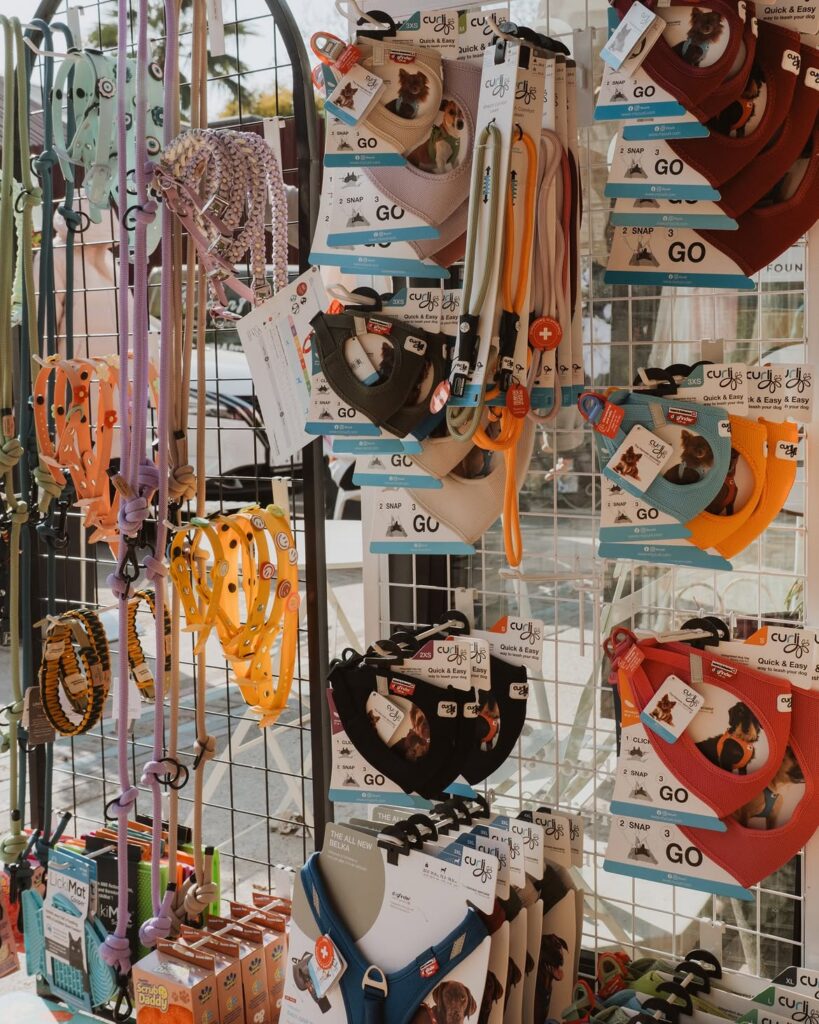
From its beginnings, Badoodoo placed emphasis on products made with intention. The brand works closely with local tradesmen, artisans, bakers, seamstresses, makers and small businesses.
Its offering includes hand-finished accessories, wholesome treats, wellness products, cosy beds and lifestyle pieces, with an emphasis on quality ingredients and materials without unnecessary chemicals, preservatives or shortcuts.
This approach gives the business more than a product range. It creates a network around the brand.
The lesson for entrepreneurs is clear: partnerships can become part of a company’s identity. Working with local makers allows a brand to connect its products to real people and skills while creating a story customers can understand.
For Badoodoo, the local element is not presented as an afterthought. It is woven into the way the products are created.
Turning Products Into a Brand With Personality
Badoodoo’s growth also reflects the importance of developing a recognisable personality.
The brand attracted a community of dog lovers who connected with what it represents: good design, good ingredients, good humour and products that feel personal.
That positioning matters because customers are not only choosing between individual products. They are also deciding which brands reflect their own values and interests.
Badoodoo’s experience shows why entrepreneurs should think beyond individual transactions. A product can solve a practical need, but a strong brand can give customers a reason to keep engaging with the business.
The opportunity is to build consistency across the product, presentation and customer experience rather than relying on the product alone.
Creating a Physical Space for the Community
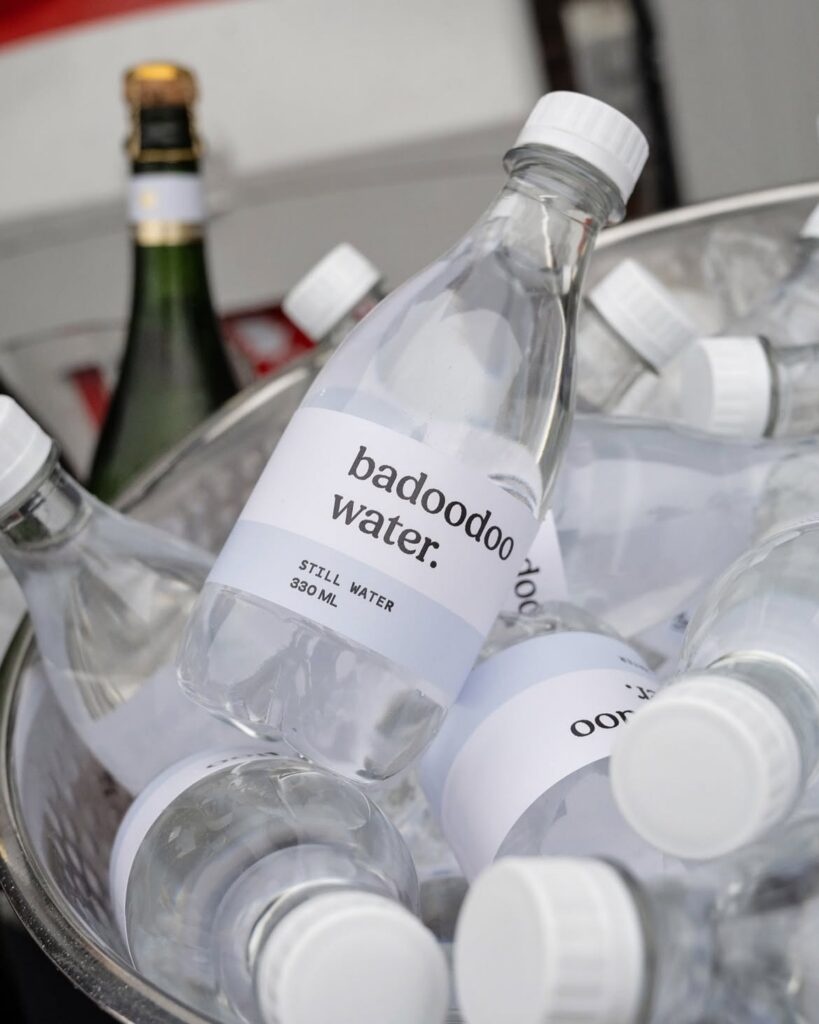
Badoodoo’s physical space at Nine Yards in Rosebank adds another dimension to the brand.
The space is designed as somewhere customers can discover, connect, browse and laugh. That description reflects the wider philosophy behind the business. The physical environment is not simply a place where products are displayed. It provides another way for people to experience the brand.
For entrepreneurs, this demonstrates the value of considering every customer touchpoint. Whether a business operates through a physical shop, website or social media, each interaction can reinforce what the brand stands for.
Combining Creative and Operational Strengths
The roles of Margie and Paula also reveal how complementary strengths can support a growing business.
Margie leads sales and product development, continually exploring new ideas, products and collaborations. Paula is the creative and operational force behind the scenes, managing branding, design, the website and social media while helping shape Badoodoo’s visual world.
This division creates space for different areas of expertise to work together.
For entrepreneurs building businesses with partners or family members, clearly defined responsibilities can help turn different strengths into an advantage. Creativity, operations, sales and product development all matter, but they do not necessarily need to be led by the same person.
The Lesson Behind Badoodoo’s Growth
Badoodoo’s story is ultimately about staying close to the reason the business was created.
The brand began with Margie and Paula searching for better options for dogs. It developed through collaboration with local makers, carefully considered products and a visual and operational approach shaped by both women. Its physical presence at Nine Yards in Rosebank has provided a space where customers can experience the brand in person.
As Badoodoo continues to grow, its philosophy remains focused on making beautiful, thoughtful things for dogs and the people who love them.
For aspiring entrepreneurs, the strongest lesson may be the simplest one: start with a real problem, understand what is missing, build a clear point of difference and make that difference visible in everything the business does.
Badoodoo shows that a brand can grow from an everyday observation when that observation is turned into a clear purpose, a distinctive product experience and a community people want to be part of.