
From a Small Garden to a Growing Agri Business: The Story Behind Sgodin Agri Tech
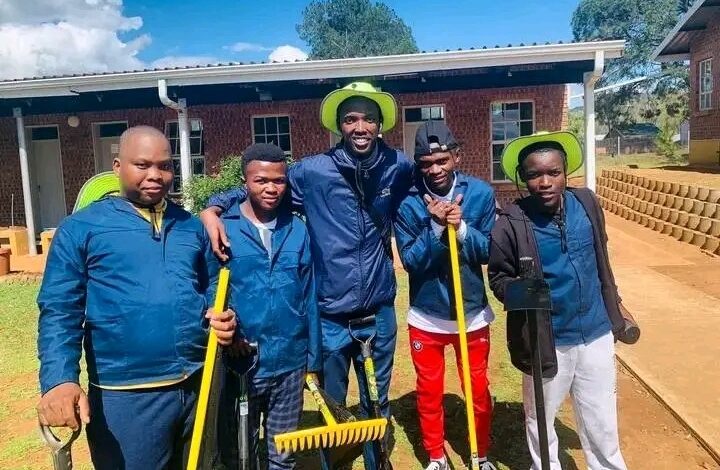
From a Small Garden to a Growing Agri Business: The Story Behind Sgodin Agri Tech. At a time when many young South Africans are waiting for opportunities to arrive, Sgodin Agri Tech founder Simphiwe decided to create his own.
The 24 year old entrepreneur from Empendle, Stoffelton, could have followed a familiar path after finishing matric in 2022. Like many rural youths, he faced a difficult environment where employment opportunities are limited and starting a business often feels financially impossible. Instead of waiting for a job, he chose a different route. He studied Sustainable Farming and started a small garden.
That simple decision became the foundation of Sgodin Agri Tech.
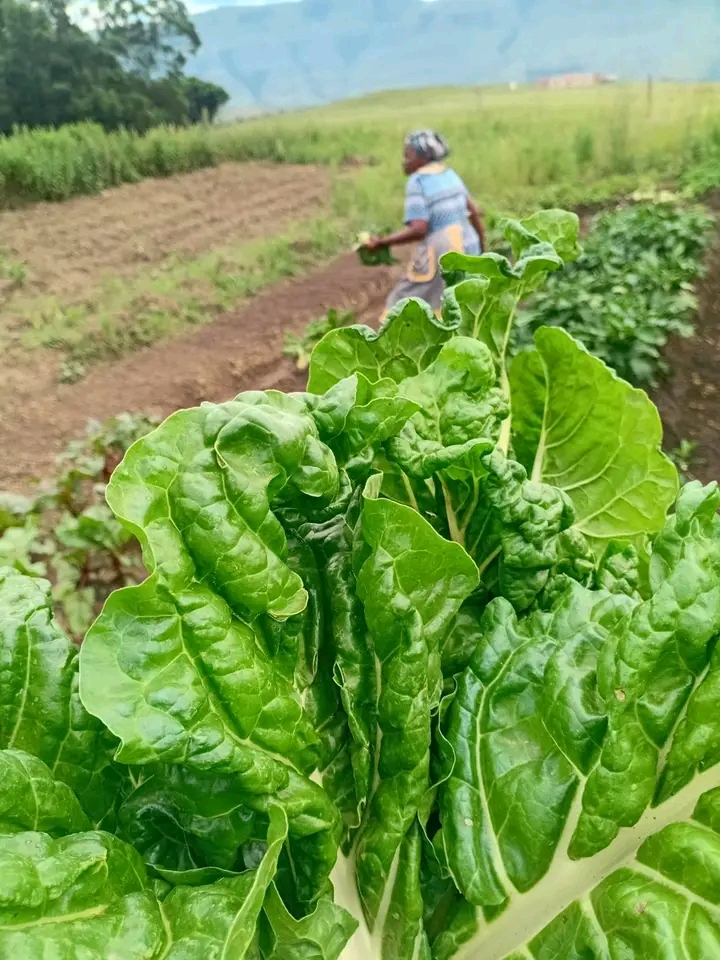
Today, the business grows green peppers, red peppers, chillis, spinach, and beetroot while supplying local shops and the Arch Holding Skills Center. What makes the story stand out is not only the growth of the business, but the mindset behind it. Simphiwe started with a small piece of land and limited resources, proving that entrepreneurship in agriculture does not always begin with massive capital or commercial scale operations.
His journey offers practical lessons about starting small, identifying local demand, and building momentum through consistency.
Starting Before Conditions Were Perfect
One of the biggest lessons behind Sgodin Agri Tech is the importance of starting before everything feels ready.
Many aspiring entrepreneurs delay action because they believe they need large funding, expensive equipment, or perfect conditions before launching a business. Simphiwe’s story challenges that thinking directly.
After completing his studies in Sustainable Farming, he used what he had access to and began with a small garden. That step may sound simple, but it reflects a powerful entrepreneurial principle: momentum often matters more than perfection in the early stages.
Instead of focusing on limitations, he focused on what was possible with the resources available to him.
For young entrepreneurs, especially those in rural communities, this lesson is significant. Businesses often begin with a small but intentional action rather than a massive breakthrough moment.
Using Education as a Practical Tool
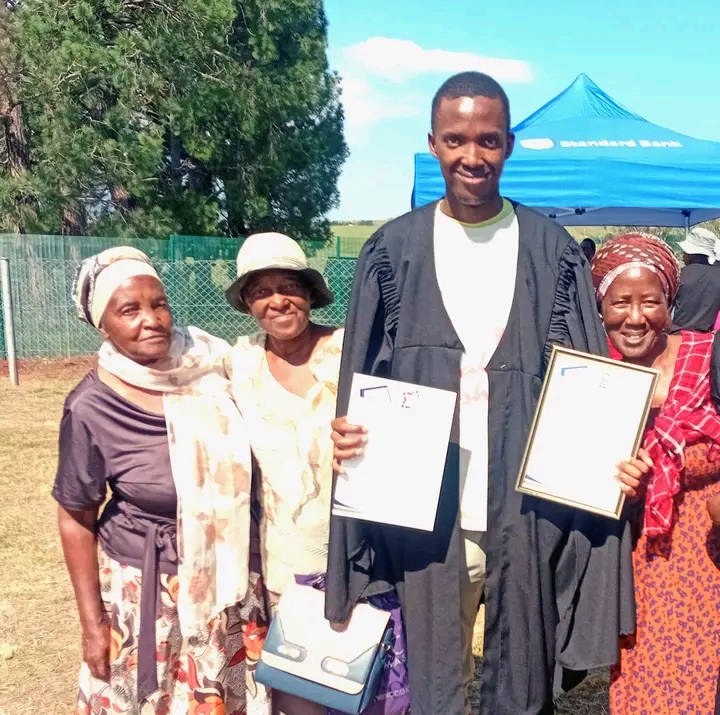
Another turning point in Simphiwe’s journey was his decision to study Sustainable Farming after matric.
Importantly, his education was not treated as theory alone. He applied what he learned directly into building a functioning agricultural business. This connection between learning and execution helped strengthen the foundation of Sgodin Agri Tech.
Too often, education and entrepreneurship are viewed separately. Simphiwe’s story shows how practical knowledge can become a business advantage when paired with action.
His farming approach also reflects an understanding of sustainability and crop diversity. By growing products such as peppers, spinach, beetroot, and chillis, the business created multiple income opportunities rather than depending on a single crop.
For entrepreneurs, this highlights the value of using education strategically. Learning becomes far more powerful when it is connected to solving real world problems or building practical systems.
Solving Local Needs First
One of the smartest aspects of Sgodin Agri Tech’s growth is its focus on local supply.
The business supplies local shops as well as the Arch Holding Skills Center. That matters because many small businesses fail by trying to expand too quickly or target markets they do not fully understand.
Simphiwe built around his immediate environment first.
This approach created several advantages. Local relationships can often be easier to build, trust develops faster within communities, and transportation challenges become more manageable during the early growth phase.
Most importantly, the business positioned itself as part of the local food ecosystem rather than operating separately from the community.
Entrepreneurs can learn a valuable lesson here: successful businesses often begin by solving nearby problems before chasing larger markets.

Turning Agriculture Into Opportunity
Agriculture is sometimes overlooked by young entrepreneurs who view it as outdated or financially limiting. Sgodin Agri Tech represents a different perspective.
Simphiwe turned farming into both an income source and a message of empowerment for rural youth. His statement, “You DON’T need a big farm or big money to start. Start small, grow big,” captures the philosophy behind the business.
That mindset became part of the brand’s identity.
Rather than presenting agriculture as survival work, Sgodin Agri Tech reflects ambition, growth, and self determination. This type of positioning matters because branding is not only about logos or packaging. It is also about the emotional message people associate with a business.
In Simphiwe’s case, the brand communicates hope and possibility.
Entrepreneurs across industries can learn from this. Customers and communities often connect deeply with businesses that stand for something meaningful beyond profit alone.
Consistency Creates Momentum
One of the strongest themes in the Sgodin Agri Tech journey is consistency.
The business did not emerge from viral attention or overnight success. It grew through steady work, practical decision making, and ongoing commitment to improvement. Farming itself demands patience, discipline, and resilience, qualities that also shape successful entrepreneurship.
By continuing to grow produce, build supply relationships, and expand operations gradually, Simphiwe created momentum step by step.
This is an important reminder for aspiring entrepreneurs living in environments where progress may feel slow. Sustainable businesses are often built quietly before they become visible success stories.
A Story Bigger Than Farming
The rise of Sgodin Agri Tech is ultimately about more than vegetables or farming operations. It is about initiative.
It is the story of a young entrepreneur who chose action over waiting, used education as a practical tool, and built a business rooted in community value. In doing so, Simphiwe created an example that many young South Africans can relate to, especially those living in rural areas where opportunities can feel limited.
His journey demonstrates that entrepreneurship does not always begin in big cities, corporate offices, or heavily funded startups. Sometimes it begins with a small piece of land, a willingness to learn, and the courage to start anyway.