Good Good Good and the Power of Building Fashion Around Community
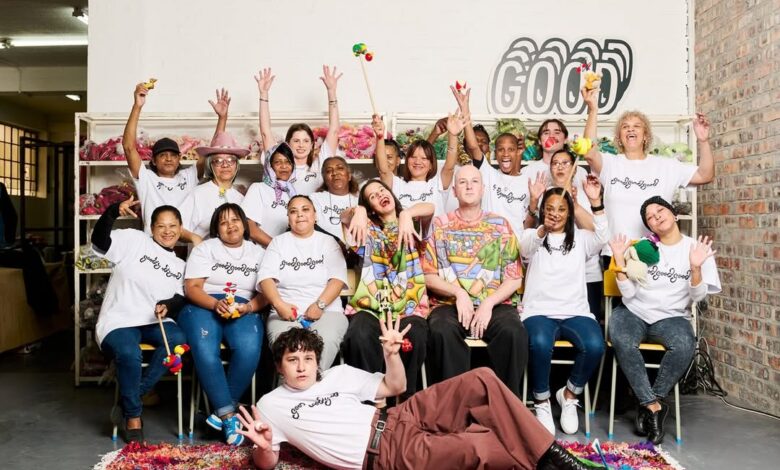
Good Good Good and the Power of Building Fashion Around Community. In a fashion industry often driven by fast trends and seasonal hype, Good Good Good has taken a noticeably different route. Founded in 2016 by Daniel Sher, the Cape Town based label built its identity around something deceptively simple: functional clothing designed for every body.
That clarity of purpose became one of the brand’s greatest strengths.
What started with the humble T shirt evolved into a respected South African fashion label known for trans seasonal garments, thoughtful silhouettes, local manufacturing, and community driven collaboration. Along the way, Good Good Good created a business model rooted in sustainability, craftsmanship, and inclusivity without relying on empty buzzwords or trend chasing.
Its rise offers important lessons for entrepreneurs about consistency, strategic positioning, customer understanding, and the value of building a business with long term relevance.
Starting Small With a Clear Purpose
Many businesses struggle because they attempt to do too much too early. Good Good Good took the opposite approach.
When Daniel Sher founded the brand in 2016, the initial focus was straightforward: create functional basics for people of all sizes and genders. The core product was the T shirt, one of the most universal items in fashion.
That decision mattered more than it may seem.
Instead of launching with an oversized collection or trying to compete with luxury houses on every level, the brand concentrated on refining a foundational product that almost everyone wears. This created clarity for customers and allowed the company to build a recognizable identity from the beginning.
For entrepreneurs, this is an important reminder that simplicity can be a strategic advantage. Businesses often gain momentum faster when they master one thing exceptionally well before expanding.
Using Manufacturing as a Competitive Advantage
One of the most defining aspects of Good Good Good’s story is its connection to local manufacturing.
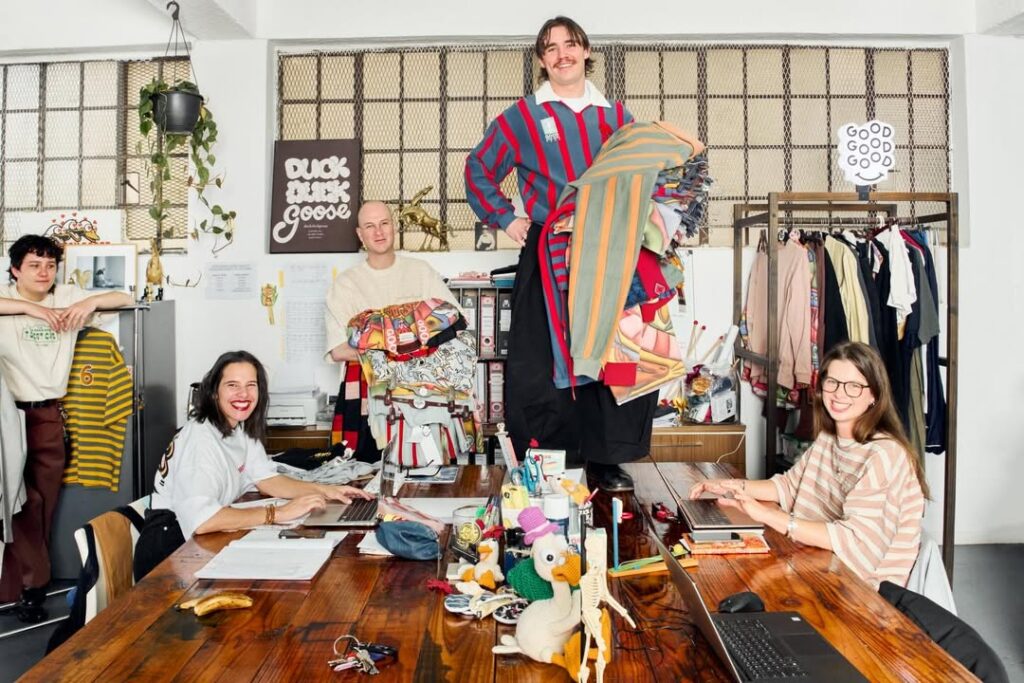
The brand’s garments are produced in Together MFG, a 28 year old heritage manufacturing facility in Cape Town. This gave the company a level of production control many smaller fashion brands struggle to achieve.
Rather than outsourcing everything and relying entirely on external suppliers, Good Good Good built its operations around craftsmanship, flexibility, and direct manufacturing involvement.
That approach created several advantages.
First, it strengthened quality control. Second, it made experimentation with silhouettes and fabrics easier. Third, it allowed the company to introduce made to order garments, reducing waste while offering customers personalised adjustments in garment lengths and crops.
In an era where overproduction has become one of fashion’s biggest criticisms, the made to order system positioned the brand differently from traditional retail models.
Entrepreneurs across industries can learn from this. Operational decisions are not just backend logistics. They can become part of a company’s brand identity and customer value proposition.
Building for Longevity Instead of Fast Trends
Another important turning point in the Good Good Good journey was its commitment to longevity.
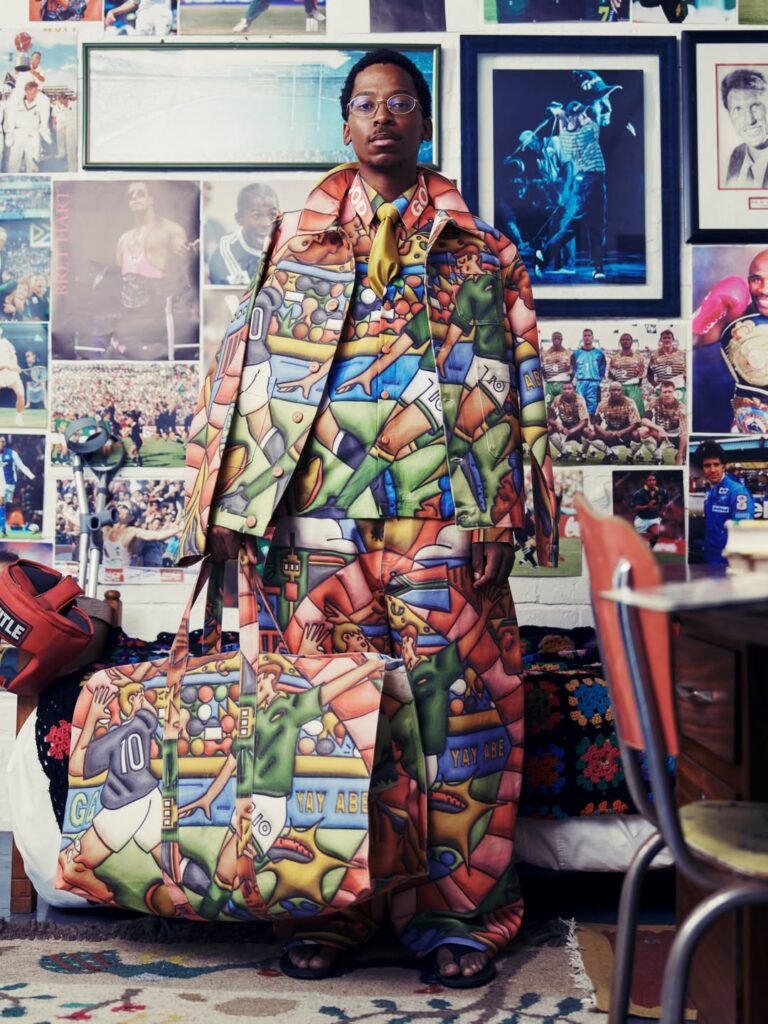
Over time, the brand expanded beyond basics into more intricate silhouettes and garments made from fabrics sourced from respected South African textile mills and designers. Yet despite this growth, the company maintained its emphasis on utility and durability.
That consistency helped strengthen trust.
Fashion businesses often lose their identity when expanding product lines, but Good Good Good stayed aligned with its original philosophy. The clothes were still designed to be wearable, practical, and timeless rather than disposable.
This reflects a broader business lesson: growth works best when it expands a brand’s identity rather than abandoning it.
Customers tend to remain loyal when businesses evolve without losing the qualities that attracted people in the first place.
Community as a Growth Strategy
Good Good Good is deeply tied to South Africa’s creative community, and that connection became a major strength for the brand.
Daniel Sher’s experiences living in Johannesburg and later Cape Town influenced the company’s community oriented approach. Rather than positioning the brand as isolated or exclusive, Good Good Good embraced collaboration with local creatives and businesses.
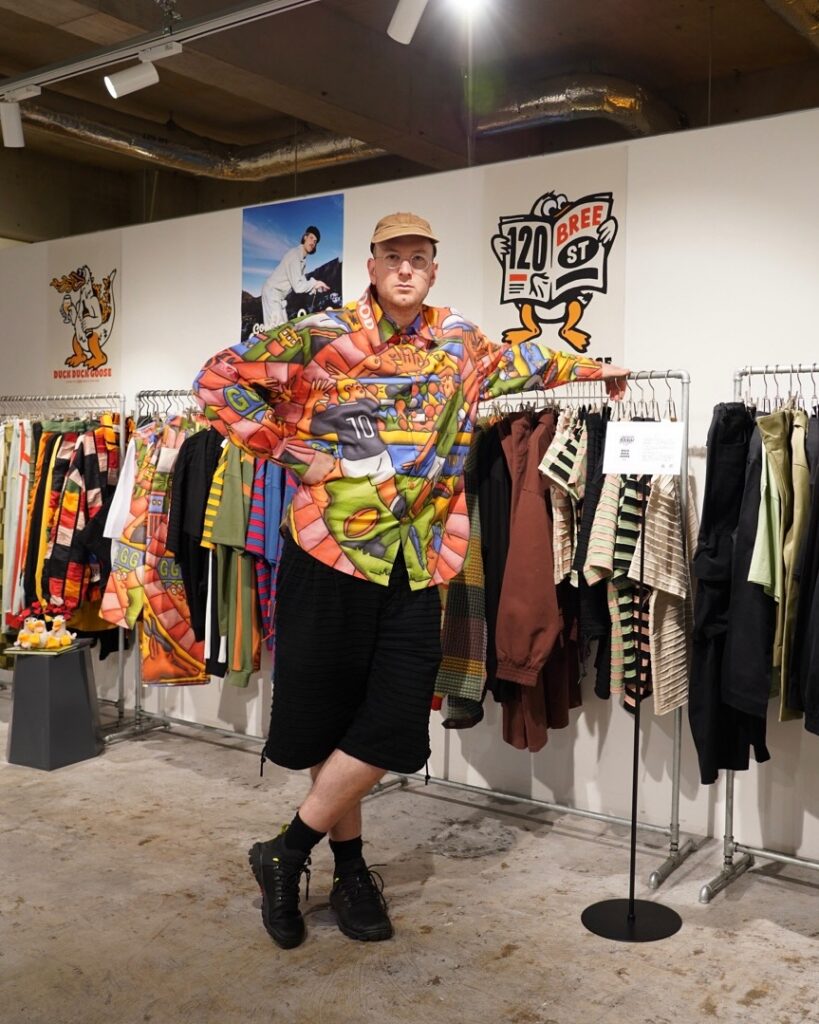
This philosophy is especially visible through Duck Duck Goose, the flagship store located on Bree Street in Cape Town.
The space functions as more than a retail outlet. Good Good Good acts as the anchor brand while surrounding itself with a rotating curation of independently owned South African fashion and lifestyle brands.
That strategy transformed the store into a cultural ecosystem rather than a standard shopping space.
For entrepreneurs, this highlights a powerful lesson: collaboration can often create more long term value than competition. Businesses that help strengthen their surrounding ecosystem frequently build stronger loyalty and broader visibility in return.
Designing for Inclusion
One of the clearest themes throughout the Good Good Good story is accessibility.
The brand’s slogan, “for every body,” reflects its focus on creating garments that work across sizes and genders. Importantly, this was not presented as a temporary marketing campaign. It was part of the company’s foundation from the start.
That consistency matters because consumers increasingly recognise when inclusivity feels performative rather than genuine.
Good Good Good embedded inclusivity into its product philosophy, manufacturing approach, and customer experience early on. That authenticity helped shape its identity within South Africa’s fashion landscape.
Entrepreneurs can learn an important lesson here: values become more believable when they are integrated into operations from the beginning rather than added later for visibility.
The Strength of Quiet Consistency
Perhaps the most valuable lesson behind Good Good Good is the power of steady, intentional growth.
The brand did not build its reputation through shock marketing or constant reinvention. Instead, it focused on craftsmanship, functionality, community, and consistency over time.
That approach may seem less dramatic than rapid viral growth, but it often creates stronger foundations.
Good Good Good demonstrates that sustainable brands are usually built through patience, operational discipline, and a clear understanding of what customers genuinely value.
In a crowded industry where attention shifts quickly, the company’s commitment to longevity, collaboration, and purposeful design helped it stand apart.