
How ElevéGrip Turned Mindful Movement Into a Modern Wellness Brand
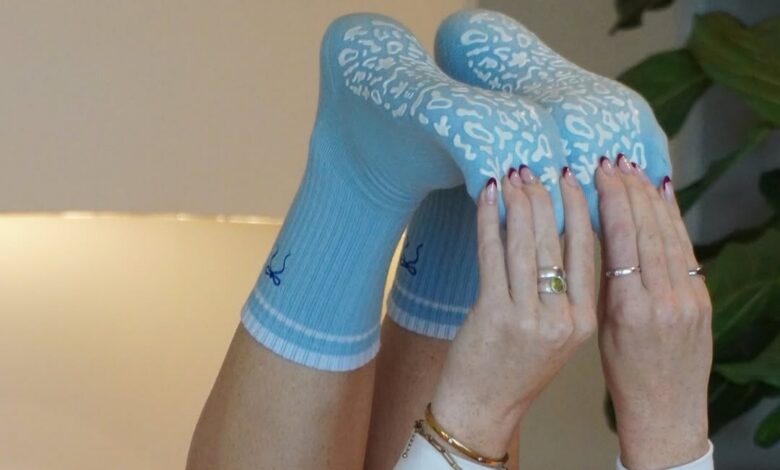
How ElevéGrip Turned Mindful Movement Into a Modern Wellness Brand. There are brands that begin with market research, and then there are brands that begin with personal transformation. ElevéGrip belongs firmly in the second category.
Born in Cape Town and founded by Risai Wanders, ElevéGrip did not start with the intention of simply selling Pilates grip socks. It began with something far more personal: the search for balance, healing, and reconnection.
For Risai, Pilates became more than exercise. It became a ritual during a period when she needed to reconnect mentally, emotionally, and spiritually. That experience eventually shaped the philosophy behind the brand itself. Instead of creating a purely functional fitness product, she wanted to build something that captured how movement could make people feel.
That emotional connection became one of ElevéGrip’s biggest strengths.
In a crowded wellness industry filled with generic products and trend-driven marketing, the brand found its identity by focusing on intention, aesthetics, and everyday empowerment.
Turning Personal Experience Into Brand Identity
One of the clearest lessons behind ElevéGrip is the power of building from lived experience.
Many businesses struggle because they attempt to manufacture authenticity after launch. ElevéGrip approached things differently. The brand was rooted directly in a genuine personal journey, which gave its message emotional clarity from the start.
Risai’s experience with Pilates shaped not only the product but the feeling surrounding the brand. The socks were designed to represent calm, softness, confidence, and joy. That emotional positioning helped ElevéGrip stand apart from brands focused only on athletic performance.
This is an important lesson for entrepreneurs.
Consumers increasingly connect with brands that feel human and emotionally honest. Products alone rarely create loyalty anymore. People want stories, meaning, and identity.
ElevéGrip understood that customers are not simply buying grip socks. They are buying into a lifestyle centred around mindful movement and self-care.
Finding Opportunity in a Growing Wellness Market
Another important turning point behind the brand was recognizing the growing demand for wellness-focused products.
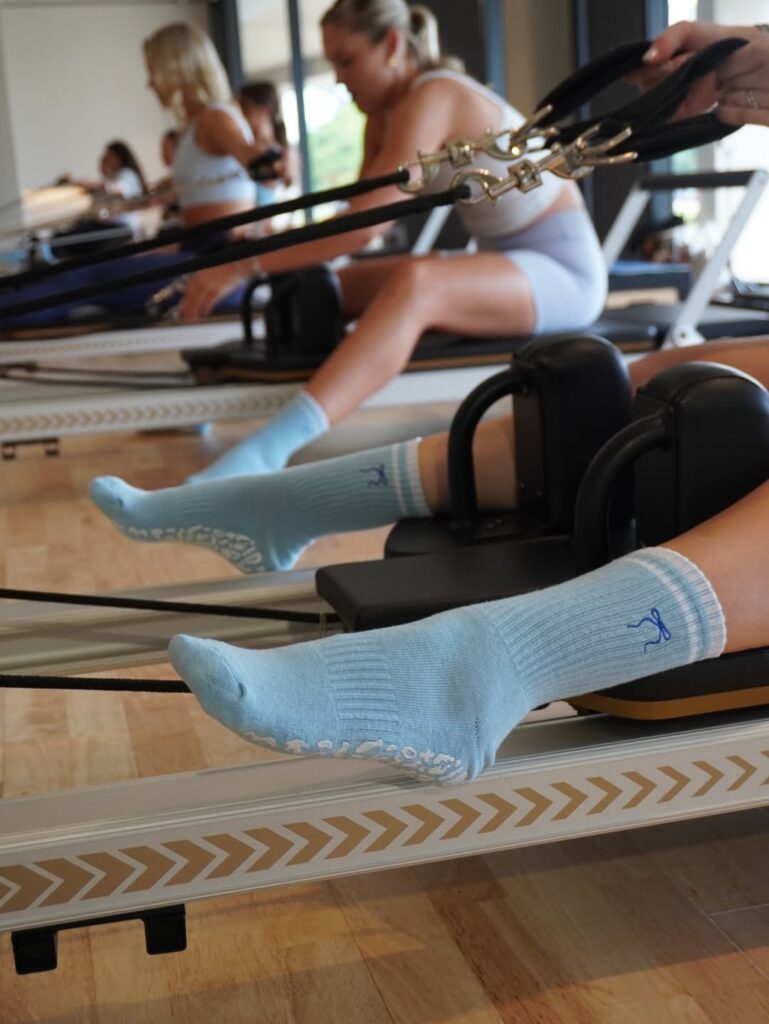
Pilates, yoga, barre, and mindful fitness have expanded globally over the past several years. But many wellness accessories still leaned heavily toward either plain utility or aggressive fitness branding.
ElevéGrip identified a gap between functionality and emotional design.
The brand positioned itself around beautifully functional products. That phrase matters because it captures the balance ElevéGrip aimed to create. The socks needed to perform well during movement while still feeling visually soft, stylish, and calming.
This dual focus became a strategic advantage.
Entrepreneurs can learn a great deal from this approach. Some of the strongest modern brands succeed because they combine practical usefulness with emotional appeal. Customers often remember how products make them feel just as much as how they perform.
By blending premium grip technology, breathable materials, and a distinctive dreamy aesthetic, ElevéGrip created products that aligned naturally with the emotional atmosphere of Pilates and mindful movement culture.
Aesthetic Consistency Became a Marketing Strength
One of the smartest things ElevéGrip appears to have done is maintain a highly consistent brand identity.
From its messaging to its visual style, the company communicates softness, calmness, and intentionality. That consistency is powerful because modern branding is no longer only about logos or colours. It is about emotional recognition.
When customers encounter ElevéGrip, they immediately understand the atmosphere the brand wants to create.
This matters enormously in digital marketing.
Social media and online retail environments reward brands that feel visually cohesive and emotionally distinct. ElevéGrip’s “dreamy” positioning helps make the brand memorable within a highly visual wellness market.
For aspiring entrepreneurs, this offers a practical insight: branding works best when every part of the business reinforces the same emotional message.
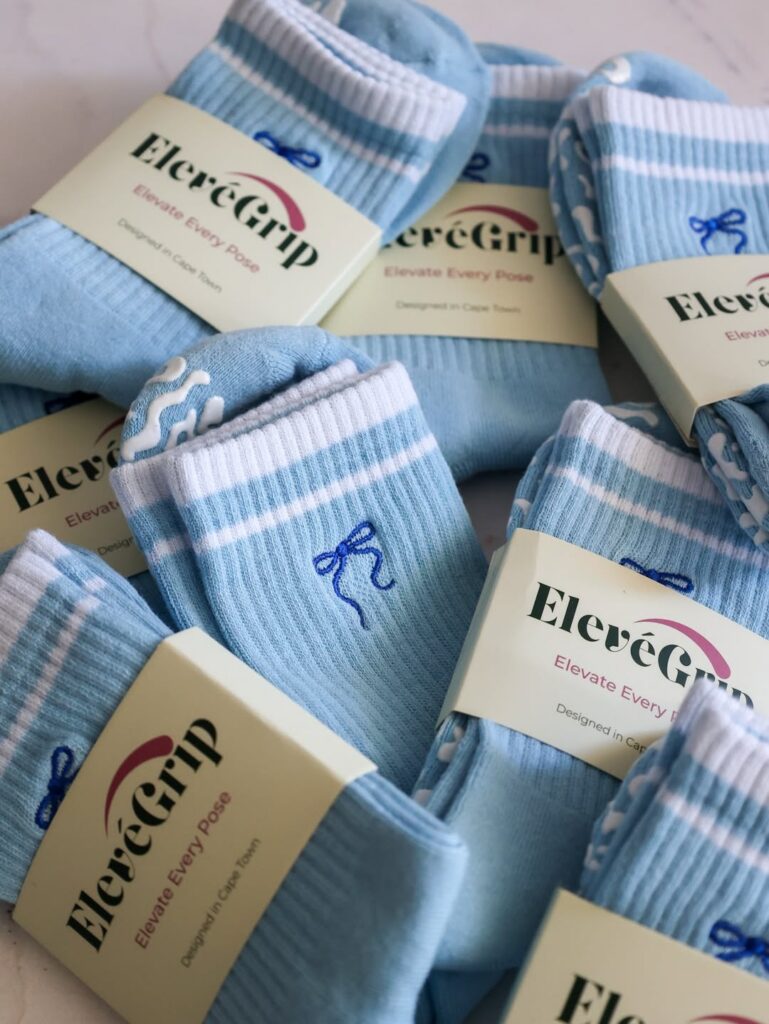
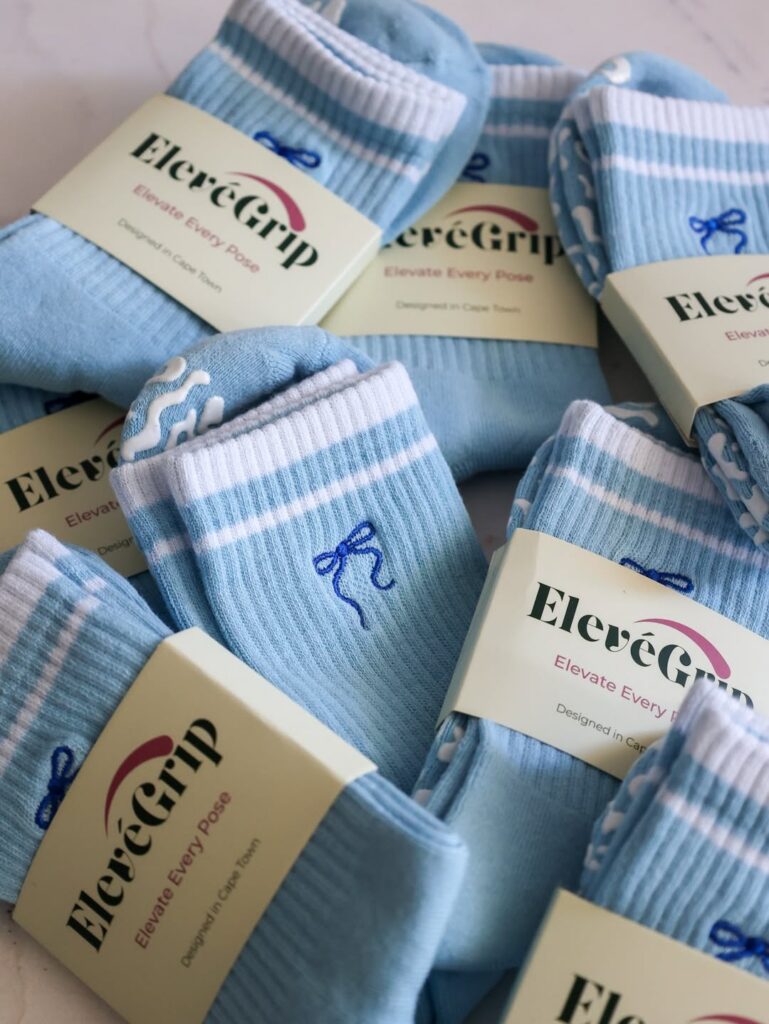
The product, photography, wording, packaging, and customer experience should all feel connected to the same identity.
Ethical Production Strengthened Trust
Another important part of the ElevéGrip story is its production approach.
The socks are thoughtfully designed in South Africa and produced by family-owned manufacturers in China and Taiwan. Importantly, the brand emphasizes ethical production, fair wages, and craftsmanship.
That transparency matters.
Consumers today increasingly want to know how products are made and whether businesses align with responsible practices. ElevéGrip addressed this directly by openly discussing its manufacturing relationships and production values.
This demonstrates another major lesson for entrepreneurs: trust grows when brands communicate honestly about their supply chain and operational decisions.
Rather than hiding manufacturing abroad, ElevéGrip focused on the quality of its partnerships and the care involved in production. That honesty strengthens credibility.
Building a Lifestyle Instead of Just a Product
Perhaps the biggest reason ElevéGrip stands out is that it behaves more like a lifestyle brand than a simple accessories company.
The brand’s messaging constantly returns to balance, mindful movement, healing, and everyday joy. That emotional positioning creates a deeper connection with customers because it aligns with how many people approach wellness today.
Modern consumers often seek routines and rituals that improve both physical and emotional wellbeing. ElevéGrip tapped directly into that cultural shift.
The company understood that Pilates itself is often associated with discipline, calmness, self-awareness, and intentional living. By aligning its products with those values, the brand became part of a larger wellness conversation rather than just another retail business.
For entrepreneurs, this is one of the most valuable lessons of all.
Strong brands do not simply sell items. They sell identity, belonging, and emotional resonance.
The Bigger Lesson Behind ElevéGrip
The journey behind ElevéGrip shows how powerful a business can become when it is built around genuine experience, clear emotional branding, and intentional design.
Risai Wanders transformed a deeply personal wellness journey into a modern Cape Town brand that reflects mindfulness, movement, and thoughtful living. Instead of competing only on price or performance, ElevéGrip focused on feeling, identity, and authenticity.
That decision helped the brand carve out its own space in an increasingly crowded wellness market.
For aspiring entrepreneurs, the takeaway is clear: some of the strongest businesses are built not by chasing trends blindly, but by understanding how people want to feel and creating products that genuinely support that experience.