
From a Home Garage to a Multimillion-Rand Factory: The Business Lessons Behind Mduduzi Matsane’s Entrepreneurial Journey
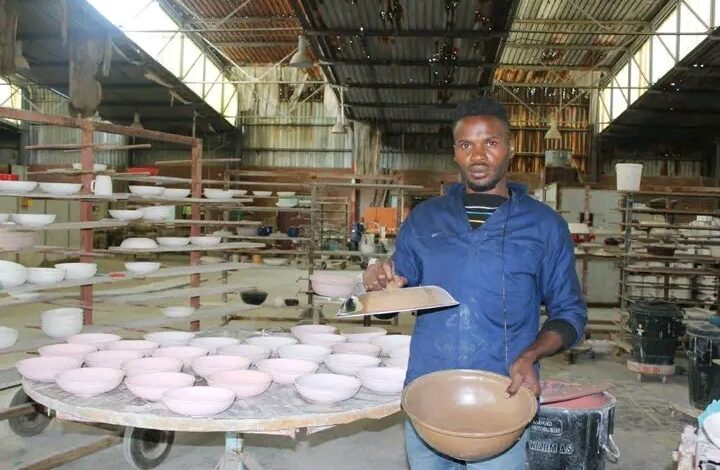
From a Home Garage to a Multimillion-Rand Factory: The Business Lessons Behind Mduduzi Matsane’s Entrepreneurial Journey. Some of the most inspiring business stories begin in places that few people would associate with future success. A small garage, limited resources, and a simple idea do not usually attract attention. Yet these humble beginnings often become the foundation of remarkable entrepreneurial journeys.
Mduduzi Matsane’s story is one such example.
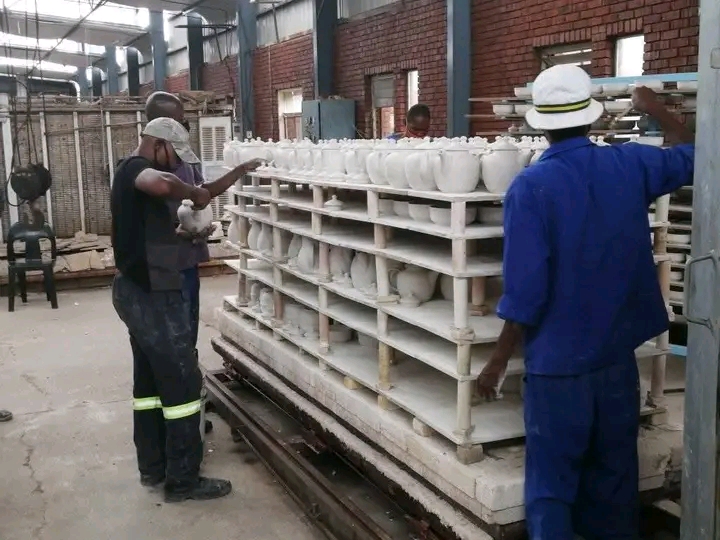
Starting his business in 2012 with a modest budget, Matsane began manufacturing ceramic products from his home garage. Today, he owns a multimillion-rand factory producing plates, cups, bowls, mugs, and other ceramic products while creating employment for more than 25 people.
His journey demonstrates how traditional skills, persistence, and a commitment to gradual growth can transform a small operation into a thriving enterprise. For aspiring entrepreneurs, there are valuable lessons hidden within every stage of his story.
A Business Built on Generational Knowledge
Before there was a factory, there was a lesson passed from father to son.
Mduduzi Matsane learned pottery from his father, who is a potter. This transfer of knowledge became the foundation upon which his business would later be built.
Many entrepreneurs spend years searching for opportunities without realizing that valuable skills may already exist within their families, communities, or personal experiences.
The story highlights an important lesson. Knowledge is often one of the most overlooked business assets. Skills acquired through mentorship, family traditions, or practical experience can become the starting point for successful ventures.
Rather than chasing every new trend, entrepreneurs can benefit from identifying existing strengths and exploring how they can be transformed into sustainable businesses.
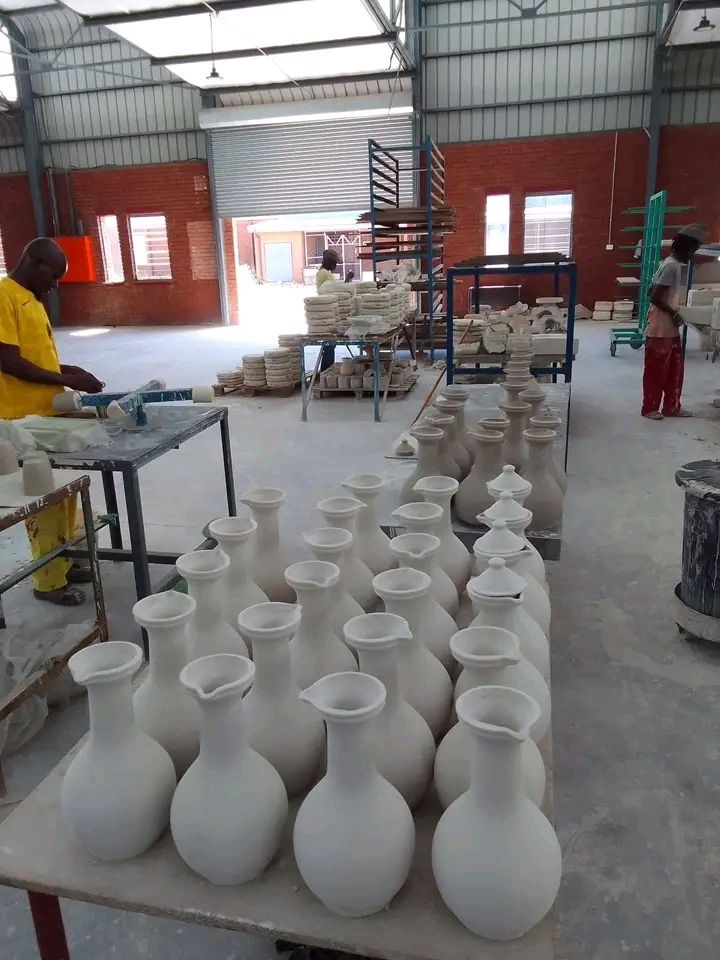
Starting Small Without Waiting for Perfect Conditions
One of the defining moments in Matsane’s journey was his decision to start.
In 2012, he launched his ceramic manufacturing business from his home garage with a limited budget.
Many aspiring entrepreneurs delay taking action because they believe they need significant funding, large facilities, or sophisticated equipment before they can begin. Matsane’s story demonstrates a different approach.
He started with what was available.
This principle is often a common characteristic among successful entrepreneurs. They focus on taking the first step rather than waiting for ideal circumstances.
Starting small does not mean thinking small. It means creating momentum with the resources already within reach.
For aspiring business owners, this is one of the most practical lessons from his journey. Progress often begins when action replaces hesitation.
Transforming Craftsmanship Into a Commercial Opportunity
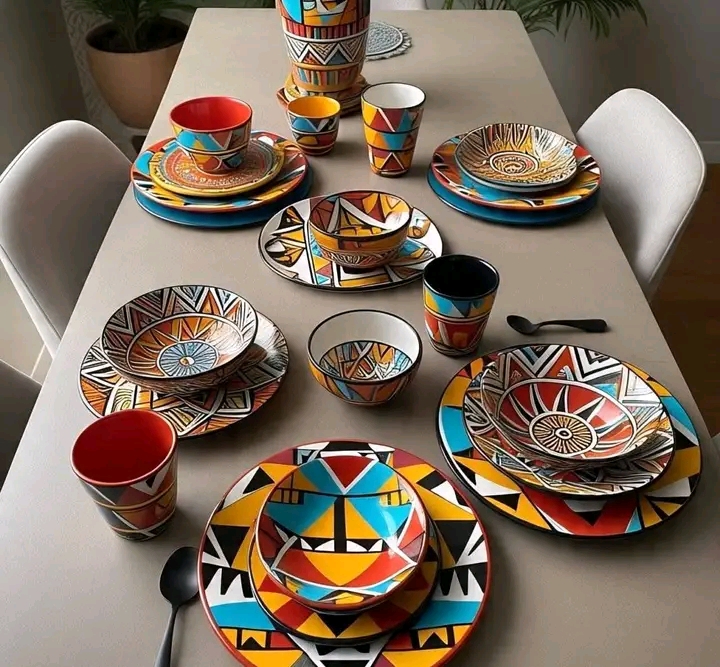
The ceramic products manufactured by Matsane’s business include plates, cups, bowls, mugs, and other items created from clay.
What makes this achievement significant is the ability to turn a traditional craft into a commercial enterprise.
Many skilled individuals possess talents that remain hobbies or personal interests. Entrepreneurs, however, identify ways to transform those skills into products that serve a market.
Matsane’s journey demonstrates the value of recognizing the commercial potential within a craft.
For entrepreneurs, this serves as a reminder that opportunities often exist within areas of expertise that others may overlook. Sometimes the key to building a successful business is not finding a completely new idea but finding a better way to bring an existing skill to market.
Growth Happens One Stage at a Time
One of the most striking aspects of the story is the transition from a home garage to a multimillion-rand factory.
This milestone reflects years of growth and development.
While many people focus on the final outcome, successful entrepreneurs understand that expansion is usually the result of countless smaller achievements along the way.
Every business reaches stages where new investments, improved operations, and increased production capacity become necessary.
The evolution of Matsane’s business demonstrates the importance of scaling gradually and building a foundation capable of supporting future growth.
Entrepreneurs often become discouraged when comparing their beginnings to established companies. His story serves as a reminder that every successful business starts somewhere.
Creating Jobs Through Entrepreneurship
Business success is often measured by revenue or physical expansion. Another important measure is the impact a company has on the lives of others.
Today, Matsane’s business employs more than 25 people.
Job creation represents one of the most meaningful outcomes of entrepreneurial success because it extends the benefits of business growth beyond the founder.
For aspiring entrepreneurs, this highlights an important shift in perspective.
Building a successful business is not only about personal achievement. It can also create opportunities for employees, families, and communities.
The ability to generate employment often becomes one of the most lasting legacies a business can leave behind.
The Strength of Manufacturing
Another lesson from Matsane’s journey is the value of manufacturing.
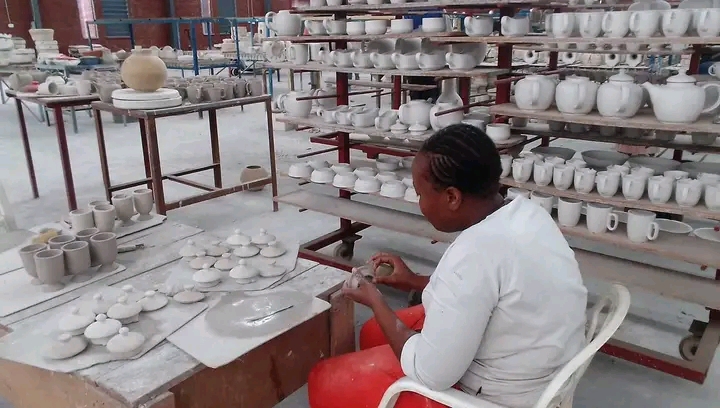
By producing ceramic products rather than simply trading or reselling goods, the business creates value through production.
Manufacturing businesses often contribute to skills development, job creation, and economic activity while building products that can serve a broad range of customers.
Entrepreneurs considering manufacturing ventures can learn from the importance of mastering production processes, maintaining quality, and building capacity over time.
The journey demonstrates that local manufacturing can become a foundation for sustainable business growth when combined with dedication and expertise.
Lessons Entrepreneurs Can Apply to Their Own Ventures
The story of Mduduzi Matsane offers several practical lessons for aspiring business owners:
Learn from the skills and knowledge already available around you.
Start with the resources you have rather than waiting for perfect conditions.
Look for opportunities to turn practical skills into commercial products.
Focus on steady growth rather than overnight success.
Invest in building capacity as your business expands.
Measure success not only by profit but also by the opportunities you create for others.
Remain committed to your craft while continuously improving your business operations.
These principles may seem straightforward, but they are often the foundation of lasting entrepreneurial success.
A Journey That Proves Small Beginnings Can Lead to Big Outcomes
Mduduzi Matsane’s entrepreneurial story is ultimately a lesson in persistence and growth.
From learning pottery from his father to launching a small operation in a home garage in 2012, and eventually building a multimillion-rand factory that employs more than 25 people, his journey reflects the power of starting with what you have and building steadily over time.
For aspiring entrepreneurs, his story offers a powerful reminder that success rarely appears overnight. It is often built through consistent effort, practical skills, and a willingness to keep moving forward despite limited resources.