
Beyond the Bean: The Business Lessons Behind Buna Coffee

Beyond the Bean: The Business Lessons Behind Buna Coffee. The coffee industry is filled with businesses that focus on roasting their own beans or manufacturing their own equipment. Buna Coffee chose a different path. Instead of competing as another coffee producer, the brand positioned itself as a bridge between South Africa’s diverse coffee industry and the customers eager to experience it.
The name itself reflects the brand’s purpose. Buna, pronounced “boo naa”, means “coffee” in Ethiopia, the birthplace of coffee. While the name pays tribute to coffee’s origins, the business is focused on making South Africa’s growing coffee landscape more accessible.
As an independent coffee store, Buna Coffee delivers coffee and coffee related products across South Africa. Its model is built around one simple idea: customers should have easier access to the country’s wide range of coffee growers, roasters and equipment suppliers. That clear mission has become one of the defining strengths behind the brand.
For entrepreneurs, Buna Coffee demonstrates that success does not always require creating an entirely new product. Sometimes the biggest opportunity lies in improving access to products that already exist.
Solving an Accessibility Problem
Every successful business begins by solving a genuine customer challenge.
Buna Coffee recognised that South Africa already had a broad and diverse coffee industry. The challenge was not a lack of quality products. The problem was that many coffee growers, roasters and equipment suppliers were not easily accessible to the wider public.
Rather than adding another coffee label to an already growing market, the company built its business around connecting customers with existing brands.
That decision created a clear value proposition.
Instead of asking customers to search across multiple suppliers, Buna Coffee offers a single destination where people can discover a variety of coffee products delivered directly to their doorstep.
The lesson for entrepreneurs is straightforward. Businesses often grow faster when they remove friction from the customer experience instead of adding more complexity.

Independence Became a Competitive Advantage
One of Buna Coffee’s most distinctive business decisions is its commitment to remaining independent.
The company does not roast its own coffee and it does not manufacture its own equipment. Instead, it focuses entirely on sourcing products from different brands.
That independence allows Buna Coffee to remain focused on customer choice rather than promoting only products it produces itself.
According to the brand, this approach allows it to provide honest opinions, list any suitable brand and concentrate on delivering excellent service while offering products at competitive prices.
For entrepreneurs, this highlights an important strategic lesson.
Businesses do not always need vertical integration to build credibility. In some industries, independence itself becomes a competitive advantage because customers value unbiased recommendations and wider product selection.
Building Trust Through Customer First Thinking
Trust is one of the hardest qualities for any business to earn.
Buna Coffee strengthens trust by placing customer needs at the centre of its operating model.
Rather than limiting shoppers to a single in house product range, the business focuses on helping customers access some of the best coffee brands available.
Its emphasis on honest recommendations and excellent service reinforces that customer first approach.
For aspiring business owners, this demonstrates that long term relationships are often built through transparency and consistency rather than aggressive sales tactics.
Customers remember businesses that help them make informed decisions.
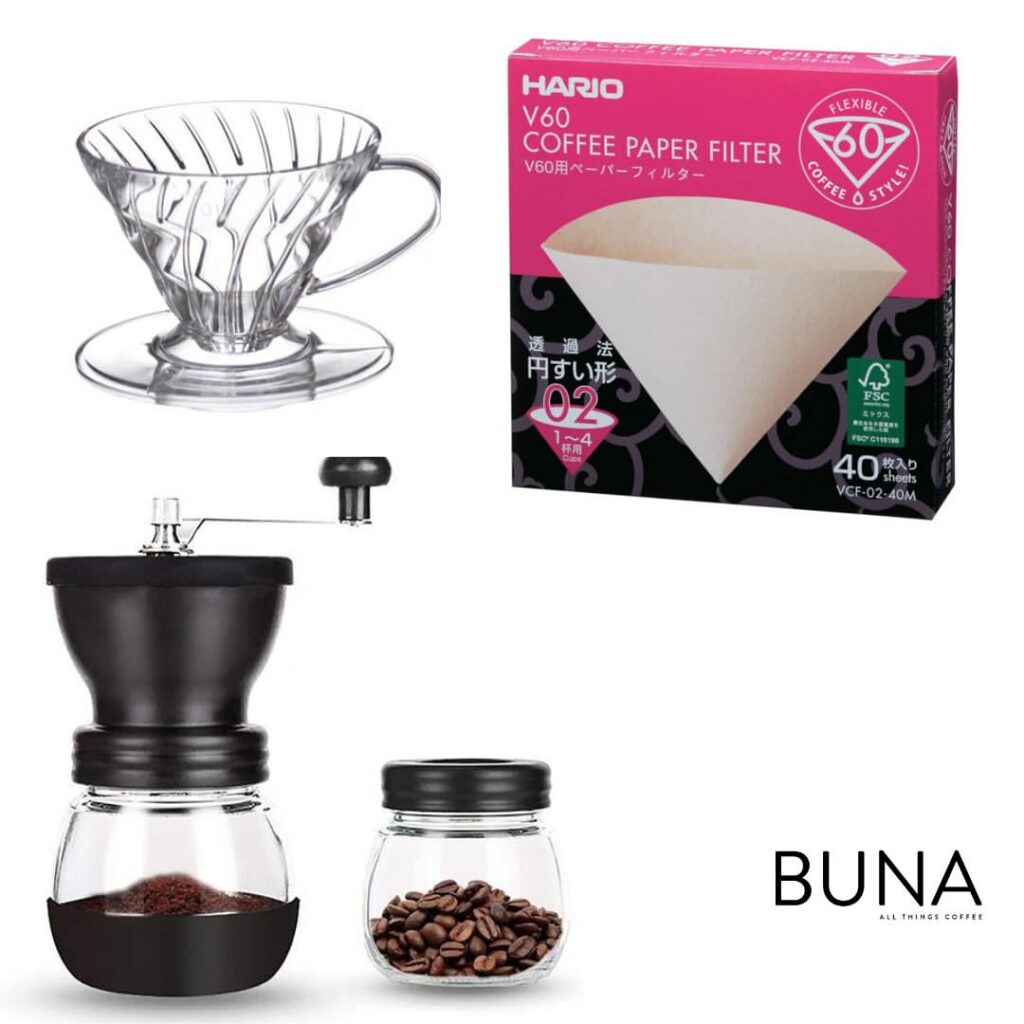
Creating Opportunity Without Manufacturing
Many entrepreneurs believe they must create every product themselves before launching a successful business.
Buna Coffee shows there is another path.
The company built its identity around connecting customers with existing coffee growers, roasters and equipment suppliers instead of becoming a manufacturer.
That strategy allows the business to concentrate on what it does best, making coffee products more accessible across South Africa.
It is a reminder that successful companies often create value through distribution, curation and service rather than production alone.
Understanding where your strengths lie can be just as important as deciding what you will sell.
Service Became Part of the Brand
Products may attract customers, but service often determines whether they return.
Buna Coffee identifies excellent service as one of its core priorities alongside offering competitive pricing and broad product access.
This focus helps strengthen the brand beyond the products on its shelves.
In competitive markets, businesses that consistently deliver reliable customer experiences often build stronger reputations than those competing on price alone.
For entrepreneurs, service should never be viewed as an afterthought. It is an important part of the brand itself and can become one of the strongest drivers of customer loyalty.

The Lasting Lessons Behind Buna Coffee
Buna Coffee’s story demonstrates that meaningful businesses are often built by identifying overlooked opportunities rather than following conventional industry models.
By positioning itself as an independent coffee store, the company chose to solve an accessibility challenge instead of competing directly with coffee roasters or equipment manufacturers. Its commitment to independence allows it to offer customers a broad selection of coffee brands, honest recommendations and a service driven experience that reflects its core values.
The brand also proves that growth is not always about owning every stage of the supply chain. Sometimes success comes from connecting people with the products they are already searching for while making the experience easier, more convenient and more trustworthy.
For aspiring entrepreneurs, Buna Coffee offers practical lessons that extend well beyond the coffee industry. Find a genuine market gap, build a business around solving it, remain clear about your purpose, focus relentlessly on customer value and never underestimate the power of trust.