
How Eleven Restaurant Built a Standout Dining Destination
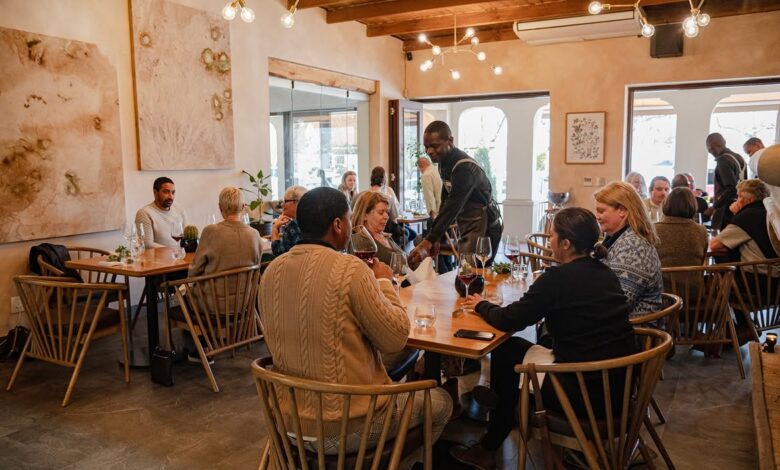
How Eleven Restaurant Built a Standout Dining Destination. Some restaurants become known for a single signature dish. Others build their reputation around an unforgettable dining experience that keeps guests returning to discover something new.
Eleven Restaurant has chosen the second path.
Named after its location on Huguenot Street, the restaurant has developed a distinctive identity by bringing together contemporary global cuisine, hyper seasonal ingredients, thoughtfully curated wines, and a modern industrial setting. Rather than limiting itself to one culinary tradition, Eleven embraces flavours inspired by different parts of the world while allowing the changing seasons to shape every menu.
This philosophy has helped create a dining experience built on creativity, adaptability, and continuous improvement.
For entrepreneurs, Eleven Restaurant demonstrates that long term success often comes from refusing to stand still. Businesses that continue evolving while remaining true to their core identity are often the ones that leave the strongest impression.
Building an Identity Around Experience Rather Than Convention
Every memorable hospitality business begins with a clear vision.
For Eleven Restaurant, that vision extends far beyond serving food.
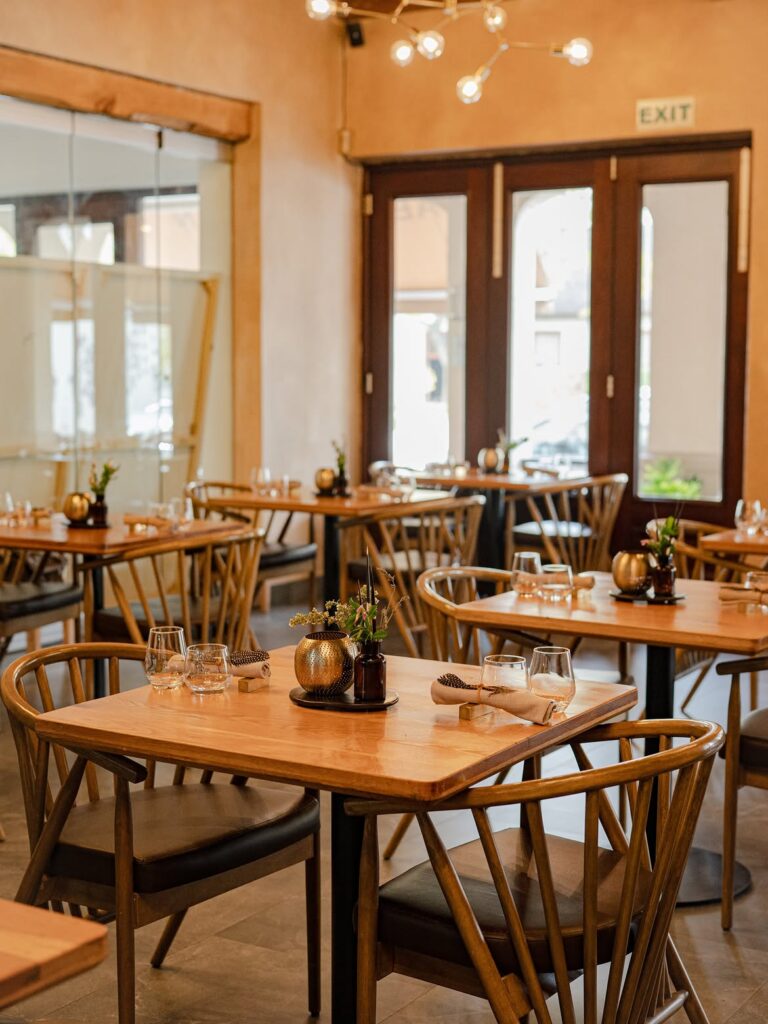
From the moment guests arrive, the experience is shaped by a stylish yet relaxed atmosphere where industrial elements such as exposed brick, wood, and burnished copper complement refined cuisine and an extensive wine selection.
The environment reflects the same balance found throughout the brand: relaxed without sacrificing sophistication.
This consistency matters.
Successful businesses ensure every customer touchpoint reinforces the same story, from the physical space to the products being offered.
Entrepreneurs in any industry can apply this principle by designing experiences that consistently reflect their brand values.
Finding Strength in Global Inspiration
One of Eleven Restaurant’s defining characteristics is its refusal to be confined by a single cuisine.
Instead, the restaurant describes its food as a reflection of the collective culinary journeys of its chefs, shaped by personal experiences and travels around the world.
This approach allows the menu to celebrate diverse flavours rather than limiting creativity to one cooking style.
More importantly, it gives the restaurant a distinctive positioning.
Customers visit not simply for a meal but for a culinary experience that draws inspiration from multiple continents.
For entrepreneurs, this illustrates an important lesson.
Innovation often comes from combining different influences into something original instead of copying what already exists.
Making Change Part of the Business Model
Many businesses work hard to achieve consistency.
Eleven Restaurant achieves consistency through continuous change.
Its menu is intentionally dynamic and constantly evolving.
The restaurant embraces the concept of hyper seasonality by incorporating early, mid, and late summer as well as autumn, winter, and spring into its culinary planning.
This means the menu changes alongside the seasons rather than remaining static throughout the year.
Instead of seeing change as a challenge, Eleven has turned it into one of its greatest strengths.
Customers have a reason to return because every visit offers the possibility of discovering something new.
Entrepreneurs can learn from this strategy by recognising that regular innovation keeps both customers and businesses engaged.
Continuous Improvement Creates Long Term Value
One phrase stands out in Eleven Restaurant’s philosophy.
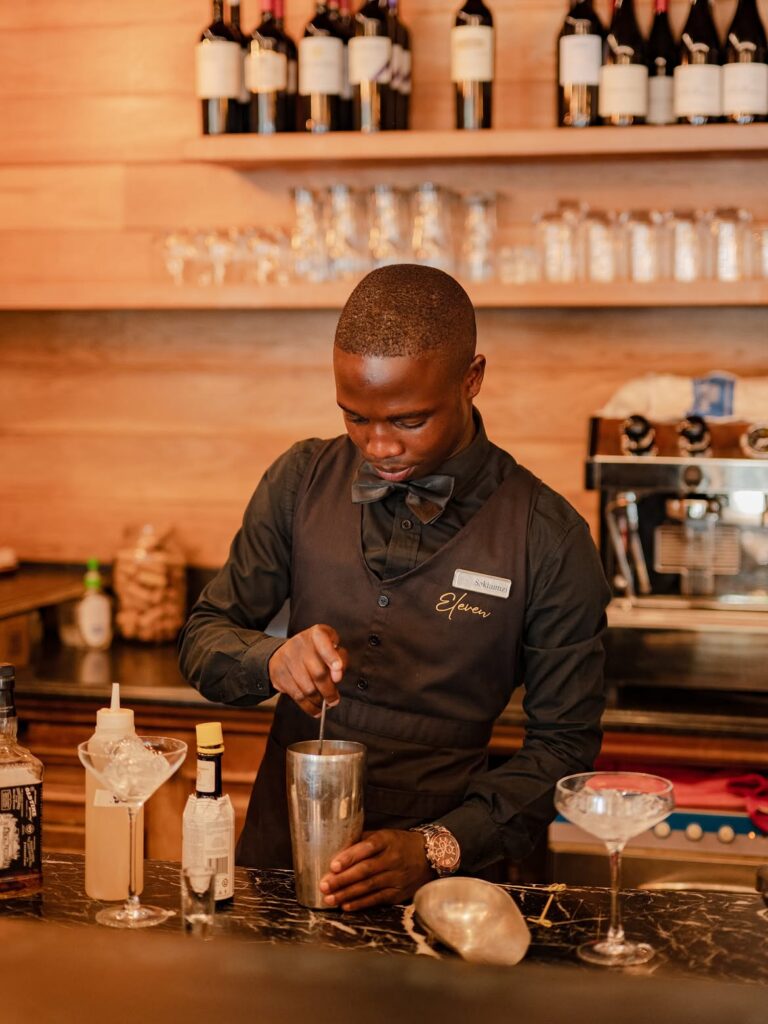
The team says they “relentlessly strive to improve and evolve.”
This mindset reflects a culture of continuous improvement rather than satisfaction with past achievements.
Businesses that stop improving often struggle to remain competitive.
Markets evolve, customer expectations shift, and new competitors emerge.
By making improvement an ongoing process rather than a one time project, businesses remain relevant while strengthening customer loyalty.
Entrepreneurs should remember that growth rarely comes from repeating yesterday’s successes indefinitely.
It comes from constantly asking how products, services, and customer experiences can become even better.
Turning Collaboration Into Creative Advantage
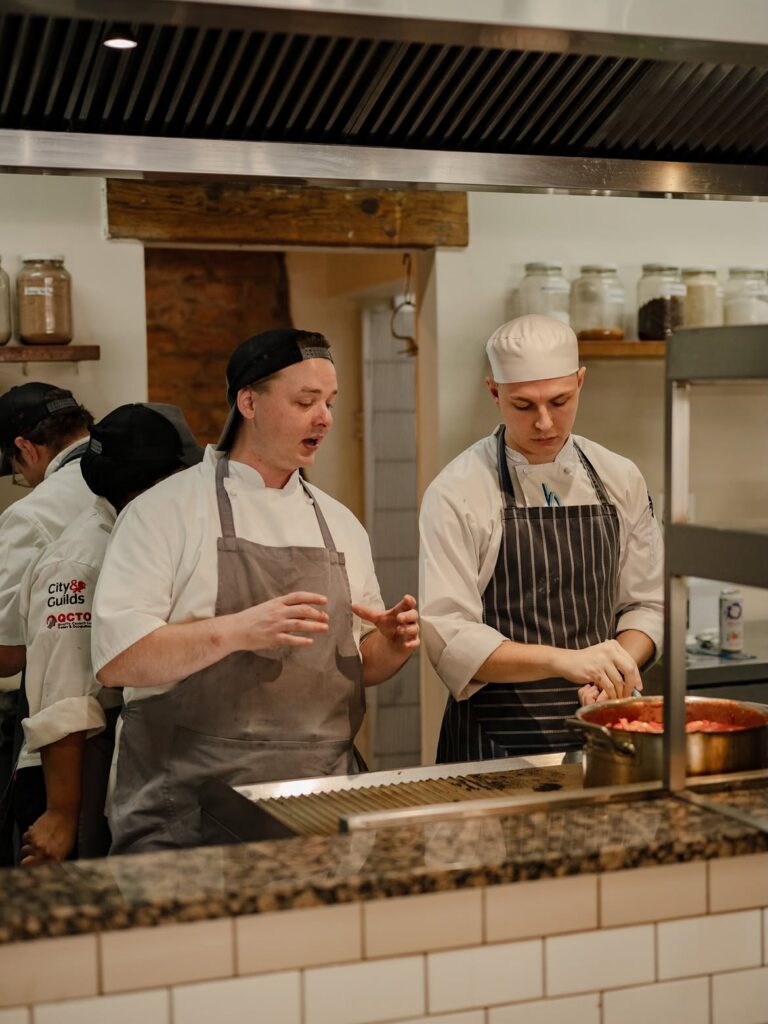
Another strength behind Eleven Restaurant is its emphasis on collective expertise.
The menu reflects the combined experiences of multiple chefs rather than the perspective of a single individual.
Collaboration often produces stronger ideas because it brings together different skills, experiences, and viewpoints.
Whether developing recipes, designing products, or solving business challenges, teams frequently generate more creative outcomes than individuals working alone.
Entrepreneurs can apply this lesson by creating environments where ideas are shared openly and different perspectives are welcomed.
Strong businesses are rarely built by one person alone.
Balancing Creativity With Consistency
Although Eleven Restaurant constantly evolves its menu, it maintains a consistent commitment to quality, thoughtful presentation, and exceptional dining experiences.
This balance is essential.
Customers appreciate innovation, but they also expect reliability.
Every new menu must still reflect the standards that define the restaurant’s reputation.
The same principle applies across industries.
Businesses should continue introducing fresh ideas while protecting the qualities that originally earned customer trust.
Innovation works best when it strengthens a brand rather than distracting from it.
The Entrepreneurial Lessons Behind Eleven Restaurant
Eleven Restaurant’s journey offers valuable insights for entrepreneurs in hospitality and beyond.
First, create an experience that extends beyond the product itself. Customers often remember how a business made them feel as much as what they purchased.
Second, don’t be afraid to draw inspiration from multiple influences. Combining different ideas can create something distinctive and memorable.
Third, embrace continuous improvement. Businesses that regularly evolve are better equipped to meet changing customer expectations.
Fourth, use collaboration as a competitive advantage by encouraging diverse perspectives and shared creativity.
Finally, recognise that change can become part of your brand identity rather than something to avoid.
Eleven Restaurant demonstrates that success does not always come from specialising in one narrow idea. Sometimes it comes from remaining curious, embracing seasonal change, and continually refining every aspect of the customer experience.
Its commitment to global flavours, hyper seasonal menus, and ongoing innovation shows that great businesses are built through constant evolution rather than repetition. For aspiring entrepreneurs, that may be the most important lesson of all. A business that keeps learning, improving, and adapting is one that is better positioned to thrive for years to come.