How Sitting Pretty Grew by Choosing Timeless Style Over Fast Fashion Trends

How Sitting Pretty Grew by Choosing Timeless Style Over Fast Fashion Trends. Fashion is often associated with constant change. Every season brings new colours, silhouettes and trends that quickly replace what came before. Yet some brands take a completely different approach. Instead of chasing what is fashionable today, they focus on creating garments that remain relevant for years.
That philosophy has shaped the journey of Sitting Pretty, the fashion brand founded by Emma Longden in April 2009. What began with a collection of sketches and a modest clothing rail has grown into a brand recognised for timeless design, thoughtful craftsmanship and an unwavering commitment to sustainability.
Rather than measuring success by how quickly collections change, Sitting Pretty has built its identity around creating clothing that customers return to time and again. For aspiring entrepreneurs, the brand’s journey offers valuable lessons about the power of purpose, consistency and staying true to a long term vision.
A Brand Born From Personal Conviction
Many successful businesses begin with a deeply personal idea rather than an elaborate business plan.
For Emma Longden, Sitting Pretty emerged from what the brand describes as a personal journey of style and conscience. That combination became the foundation upon which the company was built.
Instead of simply producing clothing, the brand developed around values that would influence every future decision. From its earliest days, Sitting Pretty sought to balance creativity with integrity, proving that fashion could be both beautiful and responsible.
Beginning with only sketches and a modest rail also illustrates another important entrepreneurial lesson.
Every established brand starts somewhere.
Entrepreneurs often assume they need large budgets or extensive infrastructure before launching. Sitting Pretty demonstrates that clear vision and commitment can become stronger foundations than scale during the early stages of building a business.
Creating an Identity Beyond Fashion Trends
One of Sitting Pretty’s defining strengths is its refusal to rely on short lived fashion cycles.
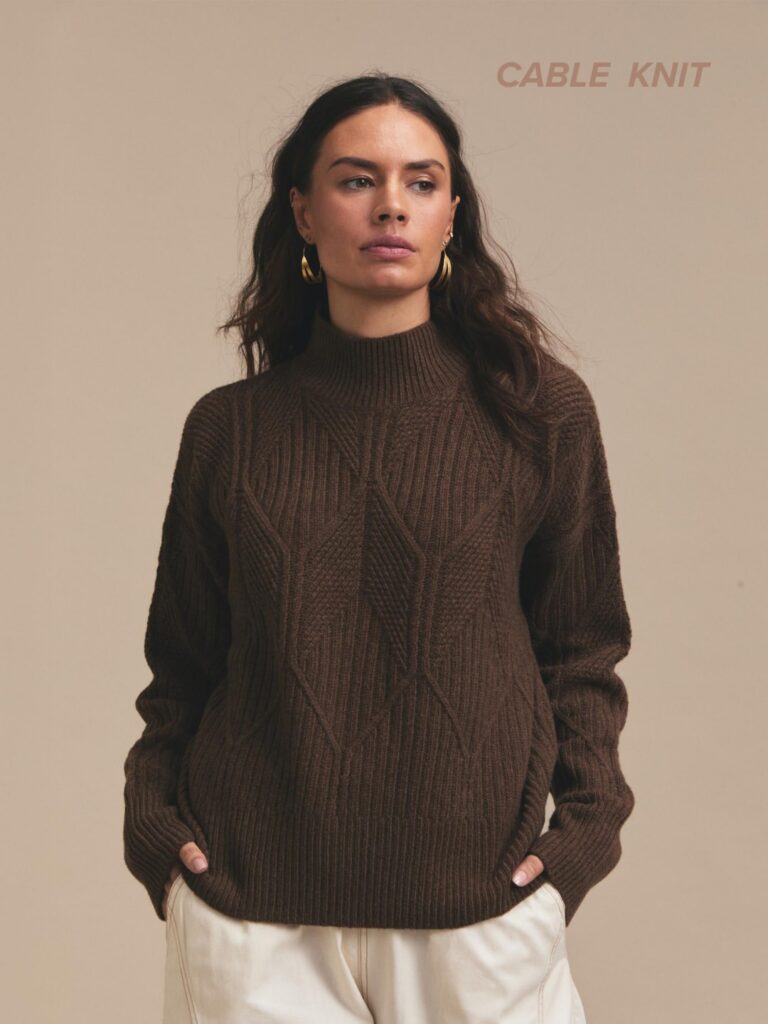
The brand describes its garments as bridging contrasts, combining relaxed and tailored elements, urban and bohemian influences, and romantic styling with an edgy aesthetic. Rather than following seasonal trends, its collections embrace effortless, modern sophistication.
This approach helps create a recognisable brand identity.
Customers are not simply purchasing clothing. They are investing in a consistent design philosophy that reflects their personal style.
For entrepreneurs, this highlights an important principle.
Businesses that establish a distinctive identity often build stronger customer loyalty than those constantly reinventing themselves to follow competitors.
Consistency allows customers to know exactly what a brand represents.
A Major Turning Point Came Through Sustainability
While Sitting Pretty was founded in 2009, one of its most significant milestones arrived in 2013.
The company committed itself to using natural fibres, excluding polyester and all synthetic fibres from its creations.
This was more than a material decision.
It represented a clear statement about the future direction of the business.
Instead of making sustainability a marketing slogan, the brand integrated it directly into product development.
That decision strengthened Sitting Pretty’s position as a business guided by long term environmental consciousness rather than short term commercial trends.
For entrepreneurs, meaningful differentiation often comes from making deliberate decisions that reinforce a company’s core values.

Timeless Design Creates Lasting Value
One challenge many fashion businesses face is remaining relevant in an industry built around constant change.
Sitting Pretty addresses this challenge differently.
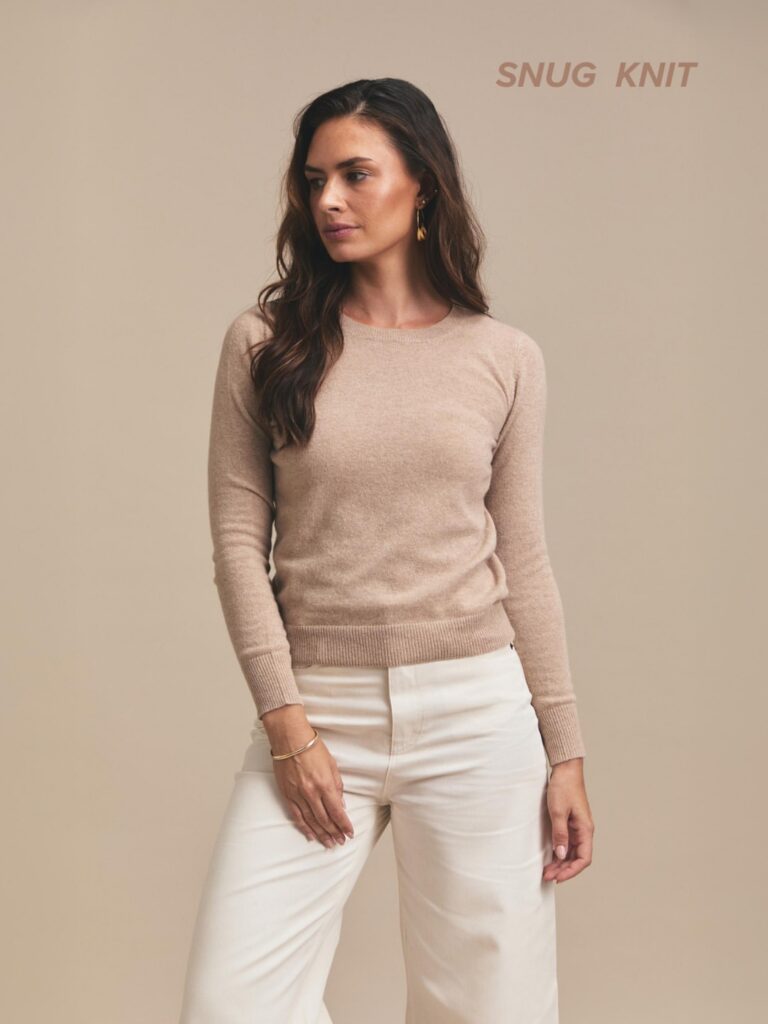
Its design philosophy centres on timeless elegance, creating garments that customers reach for repeatedly rather than replacing after one season.
This strategy benefits both the customer and the brand.
Customers gain clothing designed for longevity, while the business strengthens its reputation for quality rather than disposable fashion.
Timeless products also encourage trust.
When customers believe a purchase will remain useful for years, they often see greater value in investing in quality craftsmanship.
Entrepreneurs in every industry can apply this principle.
Products designed with longevity in mind frequently create stronger customer relationships than products designed for rapid replacement.
Purpose Strengthened the Brand’s Position
Successful brands often stand for something beyond the products they sell.
For Sitting Pretty, environmental consciousness and fair trade form central pillars of its mission.
The company envisions a future where synthetic fabrics become relics, fair wages become standard practice and fashion returns to its original purpose of creating meaningful, lasting garments.
These values help distinguish the brand in an increasingly competitive marketplace.
Customers who share similar beliefs naturally develop stronger emotional connections with businesses that reflect those principles.
Purpose becomes a competitive advantage when it consistently influences business decisions rather than existing only in marketing campaigns.
Thoughtful Growth Through Consistency
One of the most impressive aspects of Sitting Pretty’s journey is the consistency of its philosophy.
Since launching in April 2009, the brand has continued building around the same principles of integrity, creativity and timeless sophistication.
Rather than constantly changing direction, Sitting Pretty has refined its identity over time.
This steady approach allows customers to develop confidence in the brand.
Consistency often becomes one of the strongest assets a growing business can possess.
Entrepreneurs frequently feel pressure to pursue every new opportunity, but Sitting Pretty demonstrates that strengthening a clear niche can be just as effective as rapid diversification.
The Entrepreneurial Lessons Behind Sitting Pretty
The journey of Sitting Pretty offers practical lessons that extend well beyond the fashion industry.
The first lesson is to build a business around authentic values. Emma Longden’s personal passion for style and conscience became the foundation of the entire brand.
The second lesson is to create products with lasting relevance instead of temporary appeal. Timeless design often outlives changing trends.
Third, meaningful differentiation comes from action. Sitting Pretty’s decision in 2013 to exclude polyester and synthetic fibres demonstrated a tangible commitment to sustainability rather than simply discussing it.
Another valuable lesson is that consistency builds trust. Customers are more likely to remain loyal when they understand exactly what a brand represents and experience that promise repeatedly.
Finally, purpose and profitability do not need to compete with one another. Businesses that integrate strong values into their operations can strengthen both customer relationships and long term brand recognition.
Building a Fashion Brand With a Long Term Vision
The story of Sitting Pretty is not about chasing the next trend or producing the largest collection.
It is about carefully building a brand with intention.
From a modest beginning of sketches and a clothing rail in 2009 to becoming a fashion label recognised for timeless elegance, natural fibres and environmental responsibility, Emma Longden has demonstrated that sustainable growth often comes from staying committed to a clear vision.
For aspiring entrepreneurs, Sitting Pretty serves as a reminder that the strongest brands are not always the loudest. Sometimes, enduring success comes from quietly delivering exceptional quality, remaining faithful to your values and creating products that continue to matter long after the latest trend has disappeared.