The Story Behind Urban Zulu’s Rise as a Modern African Fashion Brand
The Story Behind Urban Zulu’s Rise as a Modern African Fashion Brand. Every successful fashion brand begins with a decision. Some choose to follow global trends. Others choose to create their own path. Urban Zulu belongs firmly in the second category.
Rather than looking overseas for inspiration, Urban Zulu has built its identity around something much closer to home. The brand embraces African culture, locally available materials, and the energy of Johannesburg’s streets to create clothing that feels contemporary while remaining deeply connected to its roots.
Its story is not simply about producing garments. It is about proving that a strong identity can become one of a brand’s greatest competitive advantages.
For entrepreneurs across South Africa, Urban Zulu offers valuable lessons on differentiation, authenticity, and building a business around a clear purpose rather than chasing every passing trend.
Building a Brand Around a Clear Identity
The name Urban Zulu immediately communicates the philosophy behind the business.
The direct translation of “Zulu” is “Heaven,” and Urban Zulu describes its vision as creating an “Urban Heaven.” The brand balances spiritual inspiration with practical functionality, combining higher ideals such as love and unity with clothing designed for modern lifestyles.
That philosophy extends into every part of the business.
Instead of presenting itself as simply another fashion label, Urban Zulu positions itself as a movement that reflects African identity while serving the practical needs of contemporary living.
This clarity gives customers something larger than a product to connect with.
One of the strongest lessons for entrepreneurs is that memorable brands rarely compete on products alone. They compete on meaning, purpose, and identity.
Choosing Local Inspiration Instead of Following Global Trends
One of Urban Zulu’s defining strengths is its design approach.
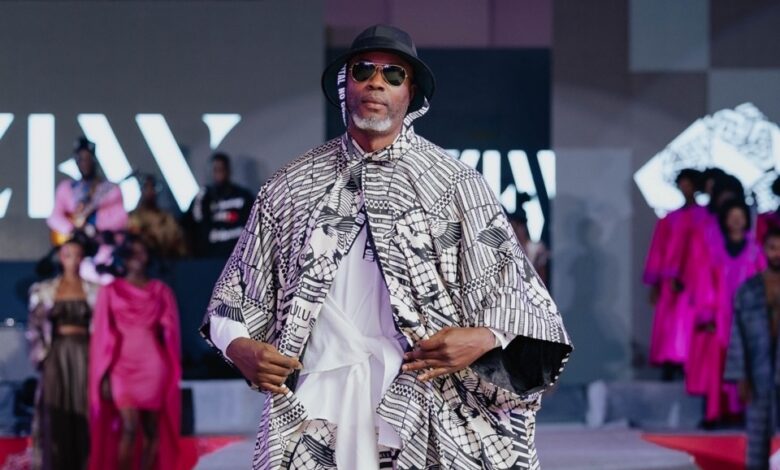
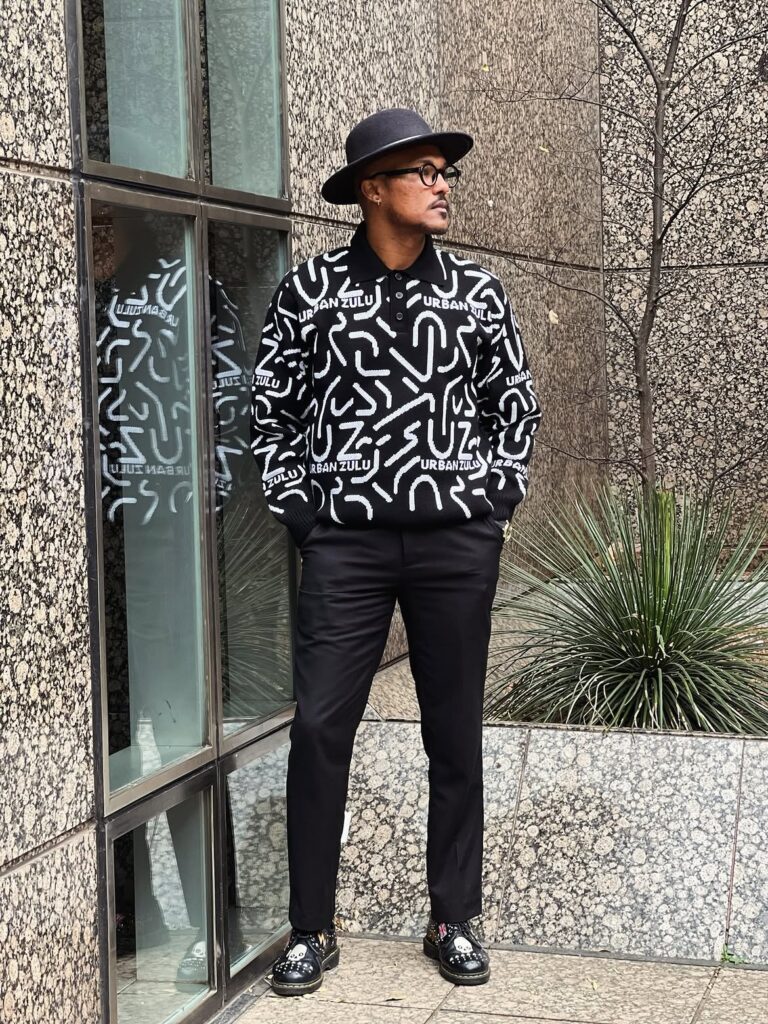
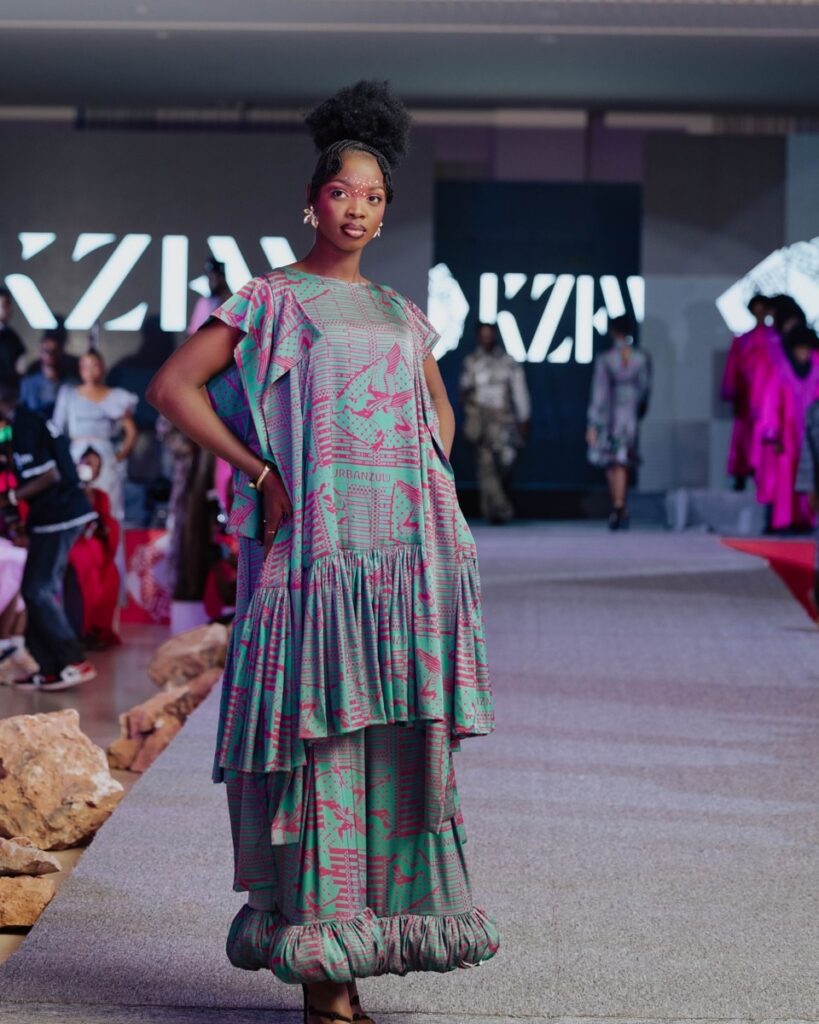
While many commercial fashion brands look to Europe and other international markets for direction, Urban Zulu deliberately takes a different route. The brand works with locally available materials and incorporates African fabrics and prints because African culture sits at the centre of its creative process.
At the same time, Urban Zulu remains relevant to today’s consumers by drawing inspiration from Johannesburg’s streets and influences from across the African continent.
This creates an interesting balance.
The collections are contemporary enough for modern wardrobes while maintaining a distinctive African character that separates them from mass-produced alternatives.
For entrepreneurs, this demonstrates that originality often comes from embracing local strengths rather than copying established international players.
Combining Ready-to-Wear With Bespoke Design
Urban Zulu has also built flexibility into its business model.
The brand offers ready-to-wear collections while also specialising in bespoke clothing and accessory designs.
This combination allows the business to serve customers looking for everyday fashion alongside those seeking personalised pieces.
Offering multiple ways for customers to engage with the brand creates additional opportunities without abandoning the company’s core identity.
For many businesses, diversification works best when it complements an existing strength instead of creating an entirely unrelated product line.
Urban Zulu expands naturally from its expertise in design and craftsmanship.
Turning Originality Into a Competitive Advantage
Fashion is one of the world’s most competitive industries.
New brands emerge constantly, trends change rapidly, and consumers have endless choices.
Urban Zulu addresses this challenge by making originality its hallmark.
Rather than reproducing existing designs, the brand describes its work as being based on trends while maintaining its own distinct design style.
This distinction matters.
Following trends may create short-term sales, but developing an identifiable design language builds long-term recognition.
Customers begin to associate certain aesthetics with a specific brand, making it more difficult for competitors to imitate its position.
Entrepreneurs in any industry can learn from this strategy.
The goal is not necessarily to invent something completely new, but to interpret familiar ideas through a unique perspective.
Creating a Brand That Represents More Than Products
Urban Zulu repeatedly emphasises that it is more than a clothing brand.
It describes itself as a movement of oneness.
That message gives customers a reason to connect emotionally with the business beyond fashion alone.
Today’s consumers increasingly look for brands whose values reflect their own.
Whether those values involve sustainability, craftsmanship, community, or cultural identity, people often support businesses that communicate a purpose they believe in.
Urban Zulu demonstrates how a clearly articulated philosophy can strengthen customer loyalty while helping the brand stand apart in a crowded marketplace.

Balancing Functionality With Creative Expression
Many fashion brands focus either on artistic expression or practical wearability.
Urban Zulu aims to combine both.
Its clothing is designed to remain functional and relevant for modern urban lifestyles while reflecting the textures, colours, and identity of African culture.
That balance is important.
Beautiful products still need to solve practical needs if they are to become part of customers’ everyday lives.
Entrepreneurs across industries can apply the same thinking by ensuring innovation never comes at the expense of usability.
Products that combine function with emotional appeal often create stronger customer relationships.
The Entrepreneurial Lessons Behind Urban Zulu
Urban Zulu’s journey highlights several practical lessons for entrepreneurs.
First, build your business around a clearly defined identity that customers can immediately recognise.
Second, treat local culture and available resources as competitive strengths instead of limitations.
Third, create products that balance originality with everyday practicality.
Fourth, diversify carefully by expanding into services or products that naturally align with your existing expertise.
Finally, remember that lasting brands often sell a philosophy alongside their products.
Urban Zulu demonstrates that success does not always come from following international trends. Sometimes it comes from confidently expressing your own perspective, embracing your cultural identity, and creating products that genuinely reflect who you are.
In an increasingly competitive marketplace, authenticity remains one of the few advantages that competitors cannot easily copy. Urban Zulu’s story shows that when a business stays true to its vision while delivering quality and relevance, it can build a brand that stands out for all the right reasons.