Akanaka Blooms: How a Personal Farming Journey Became a Purpose Driven Flower Brand
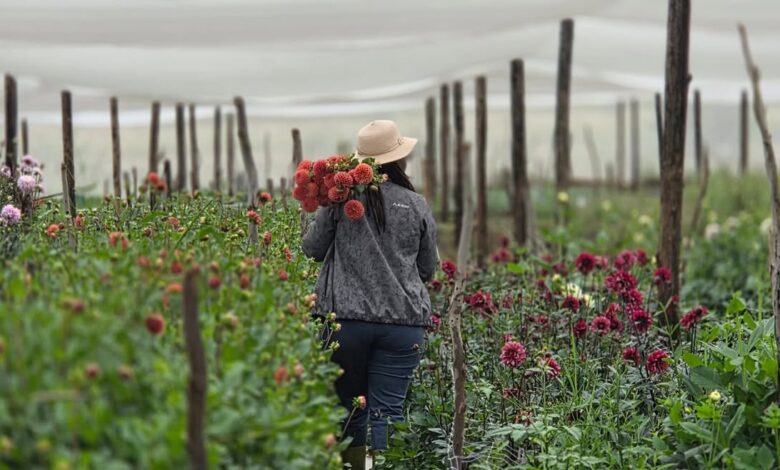
Akanaka Blooms: How a Personal Farming Journey Became a Purpose Driven Flower Brand. Akanaka Blooms is growing flowers, but its story begins with something deeper than farming. On a four-hectare holding in Walker Fruit Farms, Midvaal, Nzwi Dyirakumunda is building a microflower farm around seasonal, cottage-style cut flowers while pursuing a personal journey of healing, discovery and purpose.
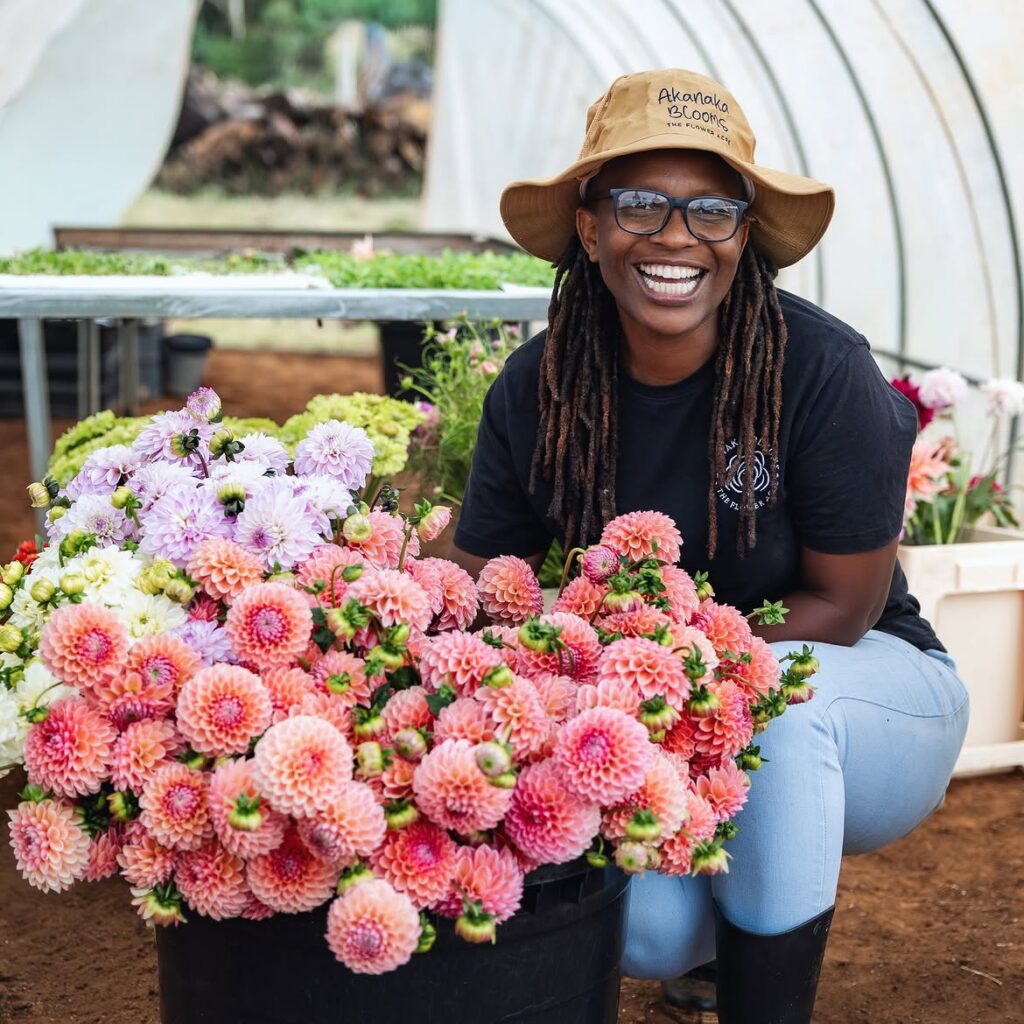
The farm grows flowers with minimal reliance on chemical inputs and a stated respect for the land. Its blooms reach DIY flower lovers, florists, event planners, artisanal grocers and visitors who participate in pick-your-own mornings.
What makes Akanaka Blooms particularly interesting for entrepreneurs is the connection between the product and the reason behind the business. The farm is not presented simply as a place producing flowers. It is a developing enterprise shaped by family, farming heritage, experimentation and a long-term ambition to create opportunities for young adults with cognitive impairments and developmental delays.
The Idea Did Not Begin With Flowers
The path to Akanaka Blooms was not immediate.
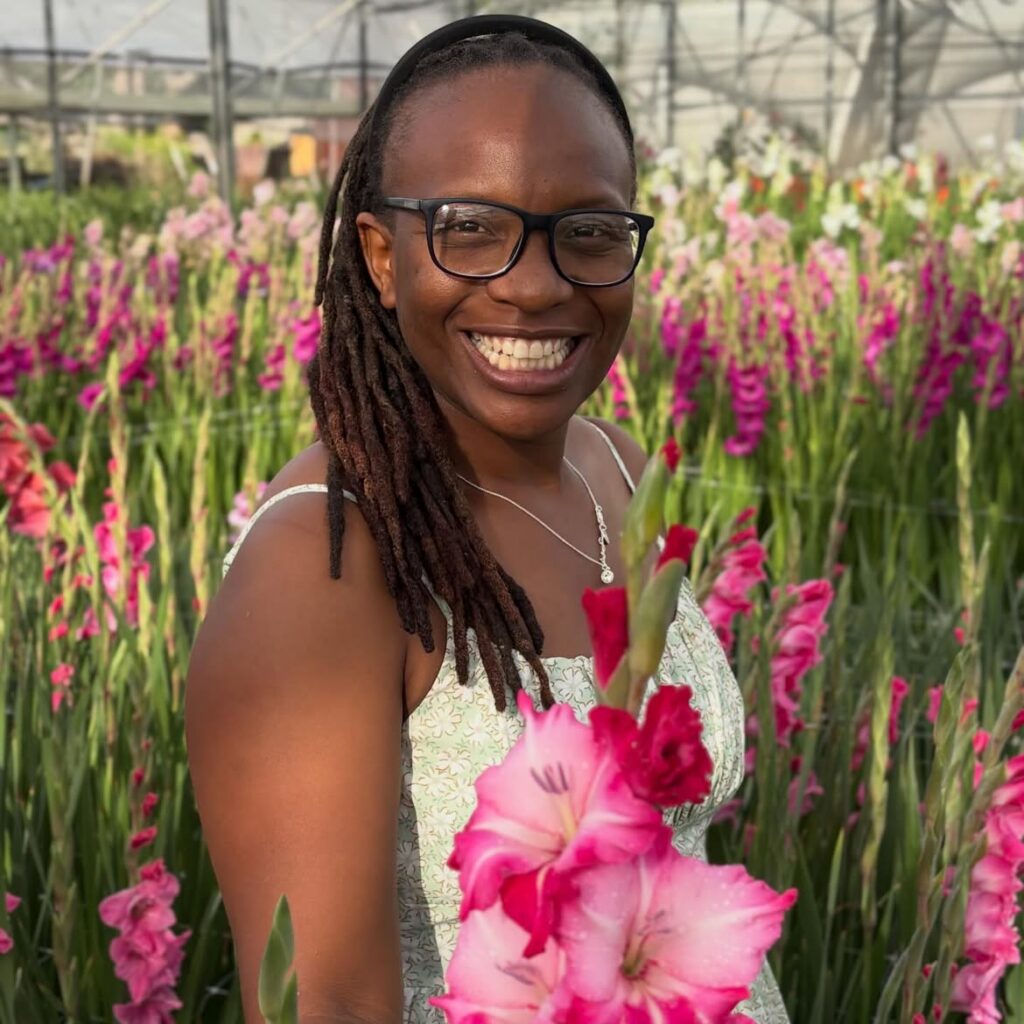
Dyirakumunda describes herself as a wife, mother, lawyer and flower farmer in the making. In 2018, her plan was to grow artichokes. That changed after she encountered Floret Flower Farm in December 2019, which captured her attention and became something she bookmarked.
Then came the 2020 lockdown.
The additional time gave her an opportunity to research flower farming more deeply and eventually confirm that flowers were what she wanted to grow.
This is an important entrepreneurial lesson. Business ideas can evolve through exposure, research and experimentation. The first idea does not necessarily have to become the final one.
For aspiring entrepreneurs, the practical takeaway is to remain curious. An unexpected discovery can reveal an opportunity that initial plans did not consider.
Turning Research Into a Real Farm
Finding an idea is one thing. Turning it into an operating farm is another.
Akanaka Blooms is now cultivating seasonal cut flowers while continuing to learn what works for its environment and customers. The farm’s selection includes unusual and distinctive flowers alongside more familiar varieties.
That experimental approach is particularly relevant in agriculture because growing conditions and customer preferences can influence which varieties succeed.
Instead of presenting the farm as having everything figured out, Akanaka Blooms openly describes itself as learning and discovering what works.
For entrepreneurs, there is a valuable lesson here: experimentation does not have to be hidden. Learning from the market can become part of a business’s development.
Finding Several Routes to the Customer
Akanaka Blooms has created several ways for its flowers to reach customers.
Its blooms are sold in mixed buckets for DIY flower lovers and straight bunches for florists and event planners. The flowers also appear at occasional weekend markets and artisanal grocers.
The farm additionally welcomes visitors for pick-your-own mornings.
This variety gives the business multiple customer touchpoints while remaining connected to the same core product.
For entrepreneurs, this demonstrates the value of understanding different ways customers may want to experience a product. A florist may need flowers in a very different format from someone who wants to arrange a bouquet at home.
The important principle is not simply having many sales channels. Each channel should reflect the needs of the customer using it.
Making the Farm Part of the Experience
Pick-your-own mornings introduce something that goes beyond selling cut flowers.
Customers can visit the farm and participate directly in the process of choosing their blooms. That turns the farm itself into part of the customer experience.
This can be a powerful lesson for businesses with physical production environments. The place where a product is made can sometimes become part of the product’s appeal.
For Akanaka Blooms, the farm setting provides a natural connection between the customer and the flowers, while also giving visitors an opportunity to engage with the growing process.
Building a Brand Around Authenticity
Akanaka Blooms repeatedly returns to ideas of beauty, authenticity and flowers that make hearts lighter.
Those values are connected to the way the farm operates and the story behind it.
Dyirakumunda describes the flower farming journey as personal, involving both herself and her son, who has cognitive impairments and learning disabilities. She describes the farm as a quest for healing, self-discovery and bringing joy to others.
For entrepreneurs, this demonstrates how a founder’s genuine motivation can shape a brand’s identity.
The lesson is not to manufacture an emotional story for marketing purposes. It is to identify the authentic values already influencing the business and communicate them honestly.
Drawing Strength From Family Farming Roots
The farming journey also has a family connection.
Dyirakumunda’s grandparents are subsistence farmers in rural Zimbabwe. Her mother moved from nursing into small-scale vegetable farming in Kwekwe, Zimbabwe.
Those experiences provide context for the transition from professional life into agriculture.
The story illustrates another entrepreneurial lesson: existing family knowledge and experiences can influence new ventures in ways that are not always obvious at the beginning.
A business can draw strength from its founder’s background without simply copying previous generations. Akanaka Blooms is developing a contemporary flower farming model while remaining connected to a family history of working the land.
Growing Toward a Bigger Purpose
The longer-term ambition behind Akanaka Blooms extends beyond flowers.
Dyirakumunda hopes to one day work the land alongside young adults with cognitive impairments and developmental delays, creating an environment where they may find purpose and fulfilment.
That vision remains an aspiration rather than a completed part of the business, and it is important not to confuse the goal with what the farm currently does.
For entrepreneurs, this provides a useful lesson about purpose driven business building. A long-term social ambition can provide direction while the business develops its operational foundation.
The Bigger Lesson Behind Akanaka Blooms
Akanaka Blooms shows how a business can grow from a personal journey into a developing commercial venture without losing the values that inspired it.
The farm’s story moves from an initial plan to grow artichokes, through discovering flower farming, researching during lockdown and eventually establishing a four-hectare microflower farm in Midvaal.
Its flowers now reach DIY customers, florists, event planners, grocers and farm visitors through several different channels.
For aspiring entrepreneurs, the biggest lesson is that building a meaningful brand takes time. Akanaka Blooms is still learning which flowers perform best in its environment and what customers respond to.
That willingness to experiment, combined with a clear commitment to beauty, authenticity and respect for the land, gives the business a foundation from which it can continue to grow.
Sometimes the strongest brands are not built from a perfect plan. They emerge when a founder follows a genuine opportunity, learns continuously and allows the purpose behind the work to shape what comes next.