From Burnout to a Cape Town Wool Brand: The Lessons Behind Cowgirlblues
From Burnout to a Cape Town Wool Brand: The Lessons Behind Cowgirlblues. Cowgirlblues began with a problem that was surprisingly personal. After an international career as a strategy consultant, founder Bridget Henderson returned to South Africa and settled in Cape Town. While recovering from burnout, she returned to knitting and crafting. Without formal training or a background in textiles, Henderson began experimenting with texture, patterns and colours.
Then she encountered a practical frustration. She could not find suitable wool locally for one of her projects.
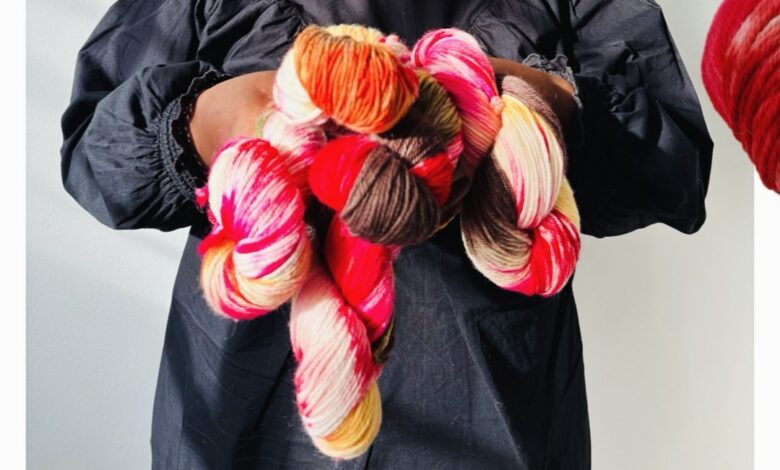
Instead of abandoning the idea, she decided to spin and dye her own wool. That experiment became the starting point for Cowgirlblues, a Cape Town-based dye house and design studio specialising in South African wool and mohair.
The brand’s journey from a kitchen experiment to a larger production studio offers entrepreneurs a valuable lesson in turning curiosity, experimentation and an identifiable gap into a distinctive business.
Turning a Personal Frustration Into an Opportunity
The origins of Cowgirlblues demonstrate the potential hidden inside an everyday problem.
Henderson was not formally trained in textiles when she began experimenting. Her entry into the craft came through knitting and a desire to create. The difficulty of finding suitable wool locally forced her to consider another route: making and dyeing her own.
That decision became a defining turning point.
For entrepreneurs, the lesson is to pay attention to frustrations within your own experience. A problem does not automatically represent a viable business opportunity, but it can provide the starting point for experimentation.
Cowgirlblues was born from that process rather than from an abstract attempt to enter the textile industry.
Experimentation Became Part of the Brand
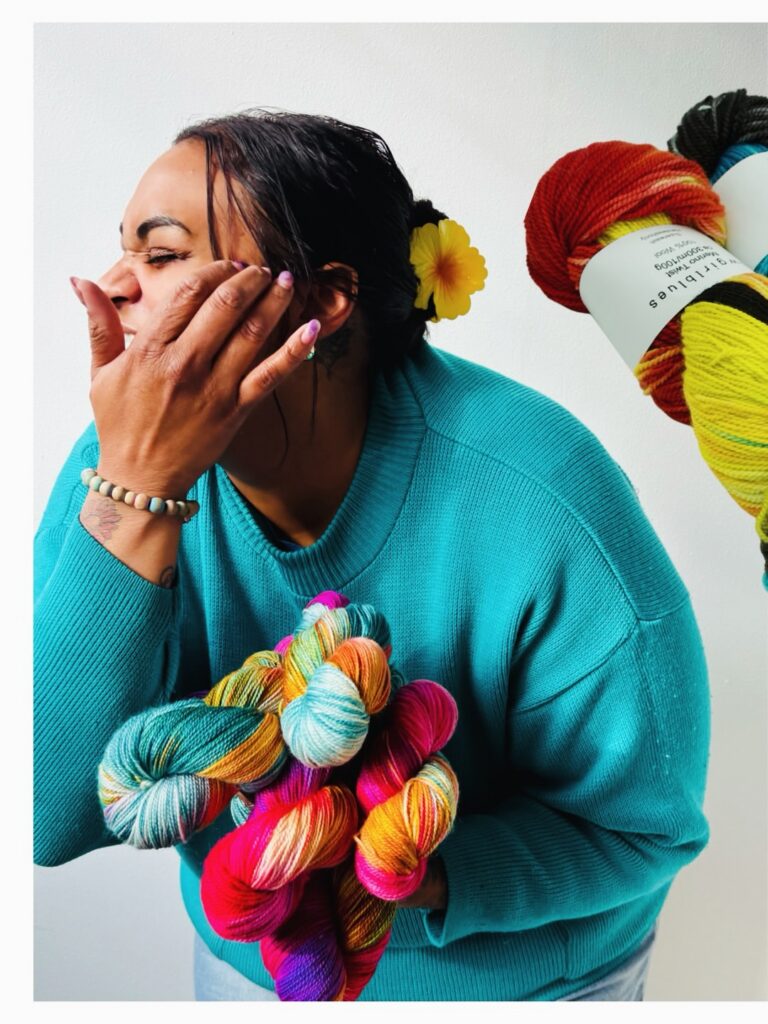
Henderson’s early experimentation with texture, patterns and colours helped shape the direction of the business.
That willingness to experiment matters because Cowgirlblues is ultimately built around materials and colour. The company specialises in South African wool and mohair, making the exploration of those materials central to its identity.
The brand’s philosophy can be summed up by its belief that pushing an activity, art, discipline or skill to its wildest edge can take it into “the realm of magic.”
For an entrepreneur, there is an important strategic idea here: experimentation can become a source of differentiation. Instead of simply competing within an established category, businesses can explore what happens when they take a material, process or skill in a different direction.
From a Kitchen to a Production Studio
Cowgirlblues’ physical growth provides some of the clearest milestones in its development.
In 2013, Henderson moved the business from her kitchen into a small space at Montebello Design Centre in Newlands. The following year, the company secured a retail space at the V&A Watershed.
In 2015, Cowgirlblues moved into a dedicated production space in Woodstock, where the team gradually began to grow. By 2017, the business had moved again, this time into its current, much larger studio in Maitland.
These moves illustrate a practical approach to expansion. The business did not jump immediately into a large production facility. Its physical footprint developed through several stages as the operation grew.
For entrepreneurs, this highlights the importance of matching infrastructure to the needs of the business. Expansion is not simply about getting bigger. It is about creating the capacity required for the next stage of growth.
Making Production Part of the Customer Experience
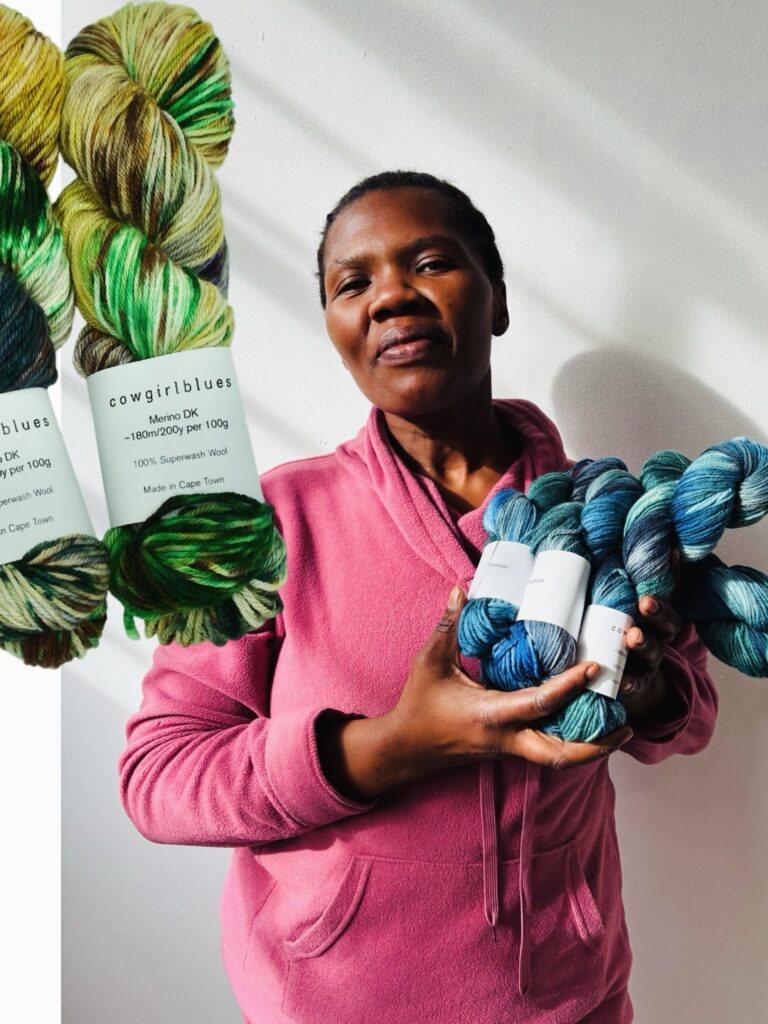
At the Maitland studio, Cowgirlblues carries out its dyeing operations and also has a retail space where customers can visit, see the production process and purchase yarns.
That combination creates a strong connection between the product and the process behind it.
Customers are not only presented with finished yarn. They can also see where and how the dyeing takes place.
This is a useful lesson for product-based businesses. When the production process is distinctive, showing it can strengthen the relationship between customers and the brand. Instead of hiding the making process behind the finished product, businesses can use transparency and physical access to make craftsmanship part of the experience.
Building a Community Around the Product
Cowgirlblues has also developed a community around knitting and crochet.
The Maitland retail space becomes particularly active on the first Saturday morning of each month, when the knitting and crochet community gathers for tea, coffee, cake and conversation.
This transforms the brand from simply being a supplier of yarn into a place where people with a shared interest can connect.
For entrepreneurs, this is a powerful reminder that communities can develop around interests, not only products. A business that understands what customers enjoy doing with its products has an opportunity to create experiences that extend beyond the transaction.
Growing a Team, Not Just a Workforce
The people behind Cowgirlblues are another important part of its story.
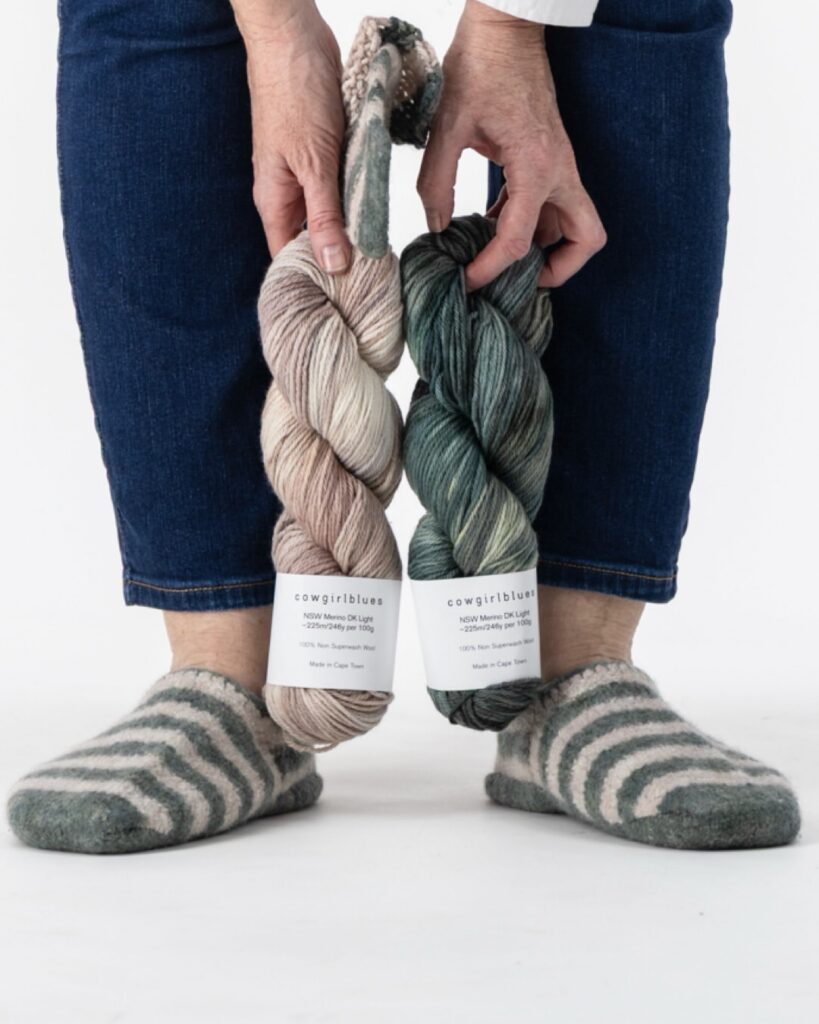
The company describes its team as being at the heart of the business, with many employees viewing their workplace as being like a family. Team members have also highlighted opportunities to learn new things, develop capabilities and gain new experiences.
Cowgirlblues places emphasis on continuous improvement. Employees are skilled in more than one part of the production process, while some are given opportunities to learn additional skills such as sewing machine operation and computer use.
This approach creates value beyond the immediate production process. Employees develop capabilities that can also be useful in other working environments.
For entrepreneurs, the lesson is practical: investing in people can strengthen both the business and the individuals who make it possible. Skills development can create a more capable team while giving employees greater confidence and versatility.
The Strength of a Distinctive South African Identity
Cowgirlblues specialises in South African wool and mohair, giving the brand a clear material foundation and connection to its local context.
That focus helps distinguish the business from a generic yarn brand. Its identity is connected to the materials it works with, the Cape Town spaces in which it has grown, its production team and the community that gathers around its products.
For entrepreneurs, having a clear point of difference makes marketing more focused. Rather than trying to appeal to everyone, a business can build around the qualities that genuinely make it distinctive.
What Entrepreneurs Can Learn From Cowgirlblues
Cowgirlblues’ journey offers several practical lessons.
Start with genuine curiosity. Henderson entered textiles without formal training and learned through experimentation.
Pay attention to problems. The difficulty of finding suitable wool became the trigger for developing something new.
Grow in stages. Cowgirlblues moved from a kitchen to Newlands, then to retail at the V&A Watershed, followed by production space in Woodstock and eventually a larger studio in Maitland.
Make the process part of the story. The Maitland studio allows customers to see production as well as shop for yarn.
Build community deliberately. Regular knitting and crochet gatherings give customers an opportunity to connect beyond buying products.
Invest in people. Cross-training and continuous improvement can build stronger capabilities within a growing business.
Cowgirlblues’ story ultimately demonstrates that a business can emerge from an unexpected combination of personal experience, experimentation and a practical problem that needs solving. What began with knitting during a period of recovery eventually developed into a Cape Town dye house and design studio with a production team, retail presence and creative community around it.
The lesson is not to wait until everything is perfectly planned. Sometimes the most interesting businesses begin when someone experiments, encounters a problem and decides to see just how far the idea can go.