Louro: The Modern Luxury Strategy Blending Style, Parenthood and Purpose
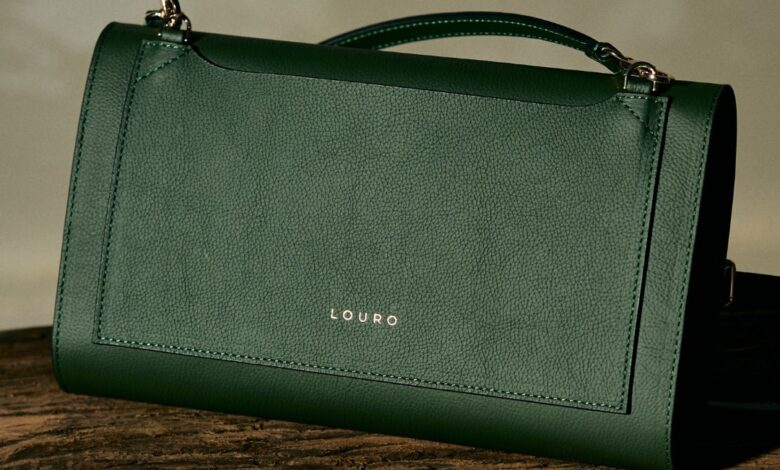
Louro: The Modern Luxury Strategy Blending Style, Parenthood and Purpose. Luxury is often associated with exclusivity and appearance, but Louro builds its identity around something more practical: the realities of modern life.
The name LOURO comes from the laurel, a symbol of victory. That idea provides a fitting foundation for a modern luxury brand designed for people navigating ambition, personal identity and family life at the same time.
Louro describes its customer journey through the everyday realities of boardrooms, brunches and baby moments. Its designs are intended to combine refinement with practicality, creating products for people who want to remain connected to their sense of style while managing the demands of contemporary life.
Behind that proposition is a clear philosophy about identity. Louro believes becoming a parent should add to who a person is rather than replace that identity.
The brand’s approach offers useful lessons for entrepreneurs about identifying a specific customer tension, combining functionality with aesthetics and turning craftsmanship into part of a premium value proposition.
Building a Brand Around the Quiet Victories of Life
The laurel has traditionally represented victory, but Louro’s interpretation is more personal.
The brand focuses on what it calls the quiet victories of modern life: doing work you love while remaining present for the people you love.
That gives the brand a specific emotional territory.
Rather than presenting luxury purely through status, Louro connects it to balance and intentional living.
For entrepreneurs, this demonstrates the importance of understanding the emotional context surrounding a product. Customers may purchase an object, but they can also be buying into an idea about the kind of life they want to live.
Louro’s messaging connects its products to that wider lifestyle.
Recognising That Parenthood Does Not Erase Identity
One of the clearest ideas behind Louro is its belief that becoming a parent should add to a person’s identity, not replace it.
This creates a very specific problem for the brand to address.
Parenthood introduces new responsibilities and practical demands, but Louro’s design philosophy argues that those changes do not need to mean abandoning personal style.
The brand therefore focuses on balance.
For entrepreneurs, the lesson is valuable: strong products often emerge from tensions in customers’ lives. Instead of asking only what customers want, businesses can ask what competing needs they are trying to reconcile.
Louro’s proposition brings together parenthood and personal identity, practicality and elegance, function and luxury.
Designing for Boardrooms, Brunches and Baby Moments
Louro’s description of modern life is deliberately broad.
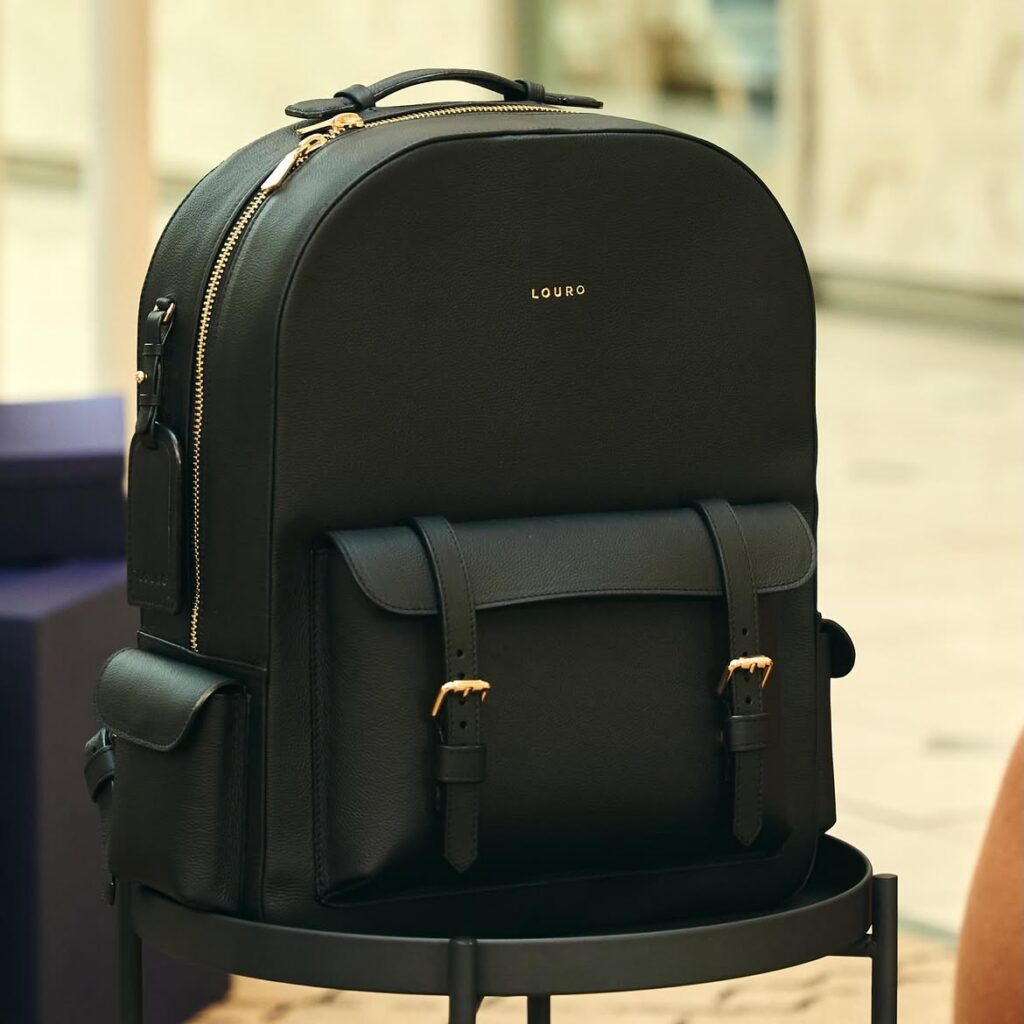
Its pieces are designed for boardrooms, brunches and baby moments, suggesting that customers should not have to completely change their style depending on which part of their day they are entering.
That creates a practical design challenge: the products need to be functional enough for everyday demands while retaining an elevated appearance.
For entrepreneurs, this demonstrates the value of designing around real customer routines.
Instead of developing products for an abstract target audience, consider the environments in which customers actually live, work and spend time.
Louro’s positioning is built around this transition between different parts of daily life.
Making Functionality Part of Luxury
Louro does not present functionality and luxury as opposites.
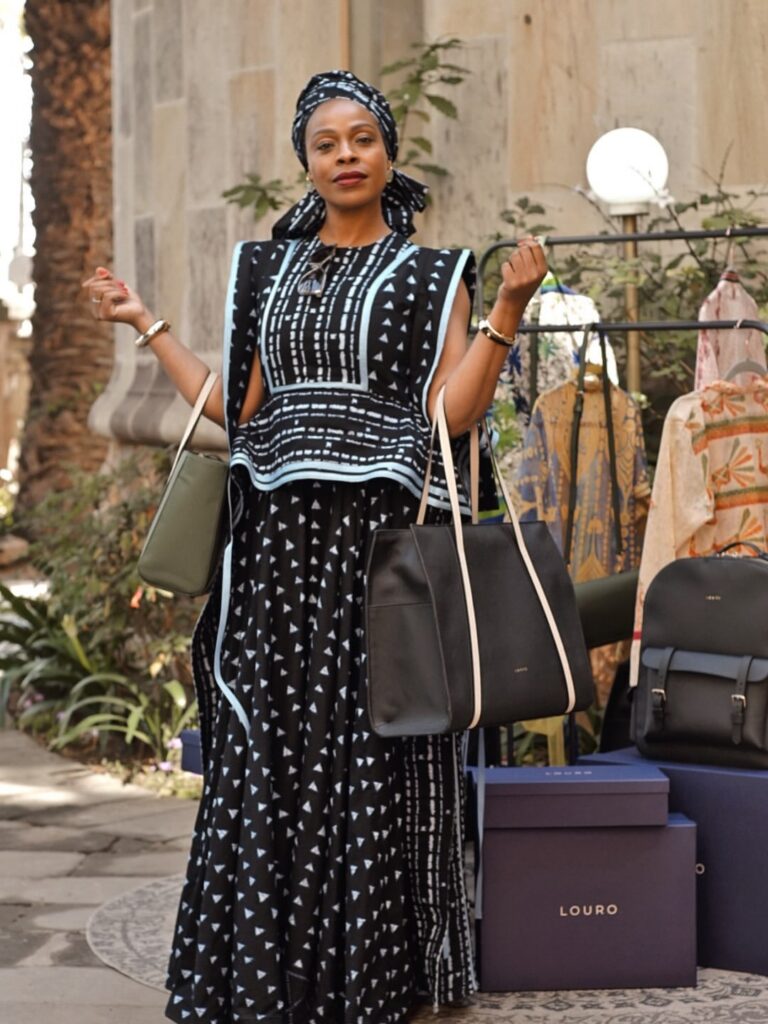
The brand specifically describes its designs as functional without losing elegance and elevated without losing practicality.
That balance is central to its proposition.
For entrepreneurs, this is an important product strategy lesson. Premium products still need to solve practical problems.
A beautiful product that does not work well can struggle to create lasting value. Likewise, a highly functional product may fail to communicate the level of refinement expected from a luxury brand.
Louro’s philosophy attempts to address both sides simultaneously.
Craftsmanship as a Premium Differentiator
Each Louro piece is handcrafted in a specialist atelier that upholds what the brand describes as world class standards of luxury.
Its artisans work on every edge, stitch and structure with precision, combining traditional craftsmanship with contemporary design.
This gives the manufacturing process a direct role in the brand story.
Craftsmanship is not presented simply as a production detail. It is part of what makes the finished product considered, refined and enduring.
For entrepreneurs, the lesson is that premium positioning needs substance behind it. If a brand promises quality and luxury, the production process should provide tangible evidence supporting those claims.
The human skill involved in crafting each piece becomes part of that evidence.
Combining Tradition With Contemporary Design
Louro’s approach also demonstrates that traditional craftsmanship does not necessarily require traditional aesthetics.
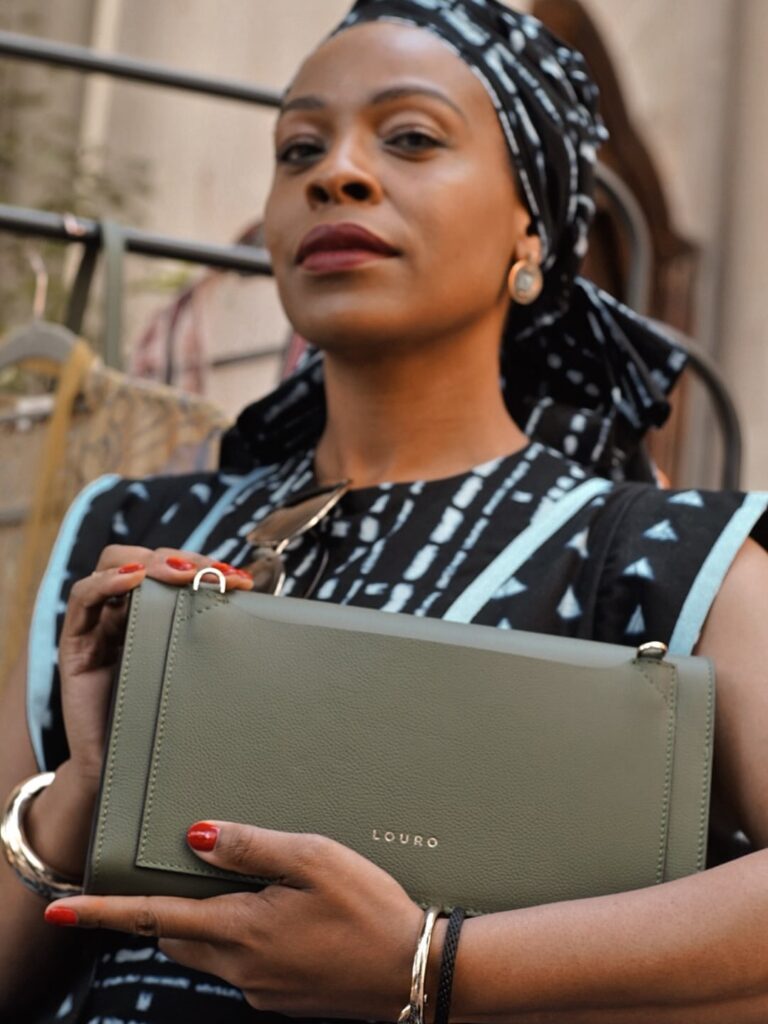
The brand combines established artisanal techniques with contemporary design.
This allows the product to draw value from craftsmanship while maintaining a modern identity.
For entrepreneurs, this offers a useful creative lesson. Innovation does not always mean abandoning what came before. Established techniques can provide a foundation while new design thinking determines how those techniques are applied.
That balance can create products that feel modern without losing a sense of permanence.
Making Sustainability Part of the Product Journey
Louro also considers what happens after a product is purchased.
The brand’s packaging is designed to be reused, extending its usefulness beyond the unboxing experience.
This approach supports a broader philosophy that beauty should leave a light footprint.
The brand also states that it considers the materials selected and the way each item is made, with the aim of creating pieces that last longer, age gracefully and reduce unnecessary waste.
For entrepreneurs, the lesson is to think about sustainability across the entire customer journey.
Packaging is one example. Product lifespan, materials and manufacturing decisions can also influence a brand’s environmental impact.
Designing for Longevity
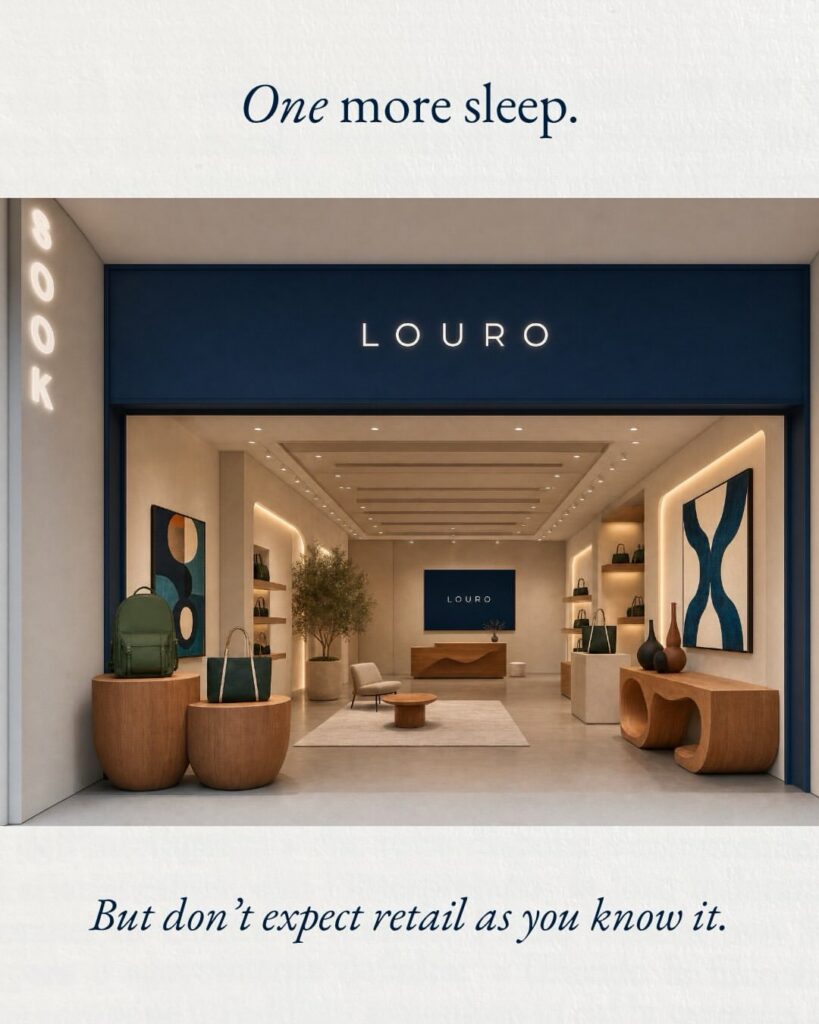
Louro’s emphasis on products that last longer and age gracefully reinforces its luxury positioning.
Longevity changes the relationship between a customer and a product. Instead of being something intended for a short period of use, the product is designed to remain relevant over time.
For entrepreneurs, this demonstrates how durability can become part of a brand’s value proposition.
A product that is intended to endure can support a different type of customer relationship from one built around constant replacement.
The Lessons Behind Louro
The Louro brand provides several practical lessons for aspiring entrepreneurs.
First, identify a genuine customer tension. Louro addresses the challenge of balancing parenthood with personal identity.
Second, combine function and emotion. Its products are designed to be practical while supporting a sense of elegance and individuality.
Third, make craftsmanship tangible. Every piece is handcrafted in a specialist atelier, with artisans focusing on details such as edges, stitching and structure.
Fourth, ensure the production process supports the brand promise. Traditional craftsmanship, contemporary design and attention to detail reinforce Louro’s luxury positioning.
Finally, consider the complete lifecycle of the product. Reusable packaging, carefully selected materials, longevity and reduced unnecessary waste all form part of the brand’s approach.
Louro’s strategy is ultimately built around balance. It balances ambition with family, practicality with elegance, traditional craftsmanship with contemporary design and luxury with a lighter approach to waste.