The Strategy Behind Flagship Handbags: Building a Luxury Brand
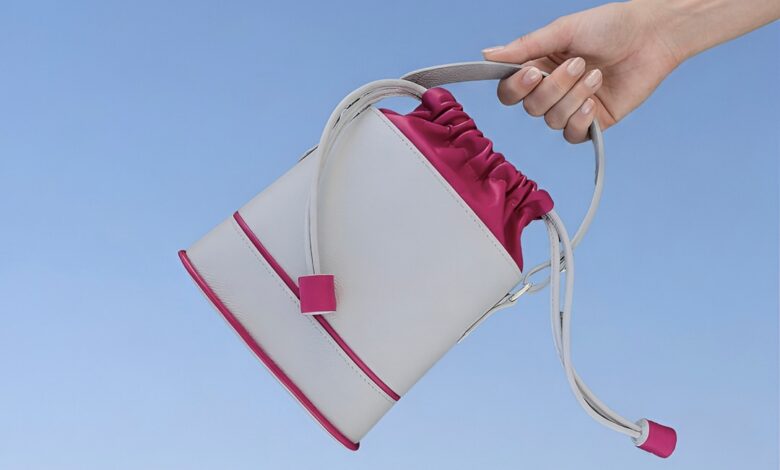
The Strategy Behind Flagship Handbags: Building a Luxury Brand. A handbag can be a fashion accessory, but Flagship Handbags has built its proposition around a more personal idea: the bag does not have to be designed for the average customer. It can be created specifically for the individual carrying it.
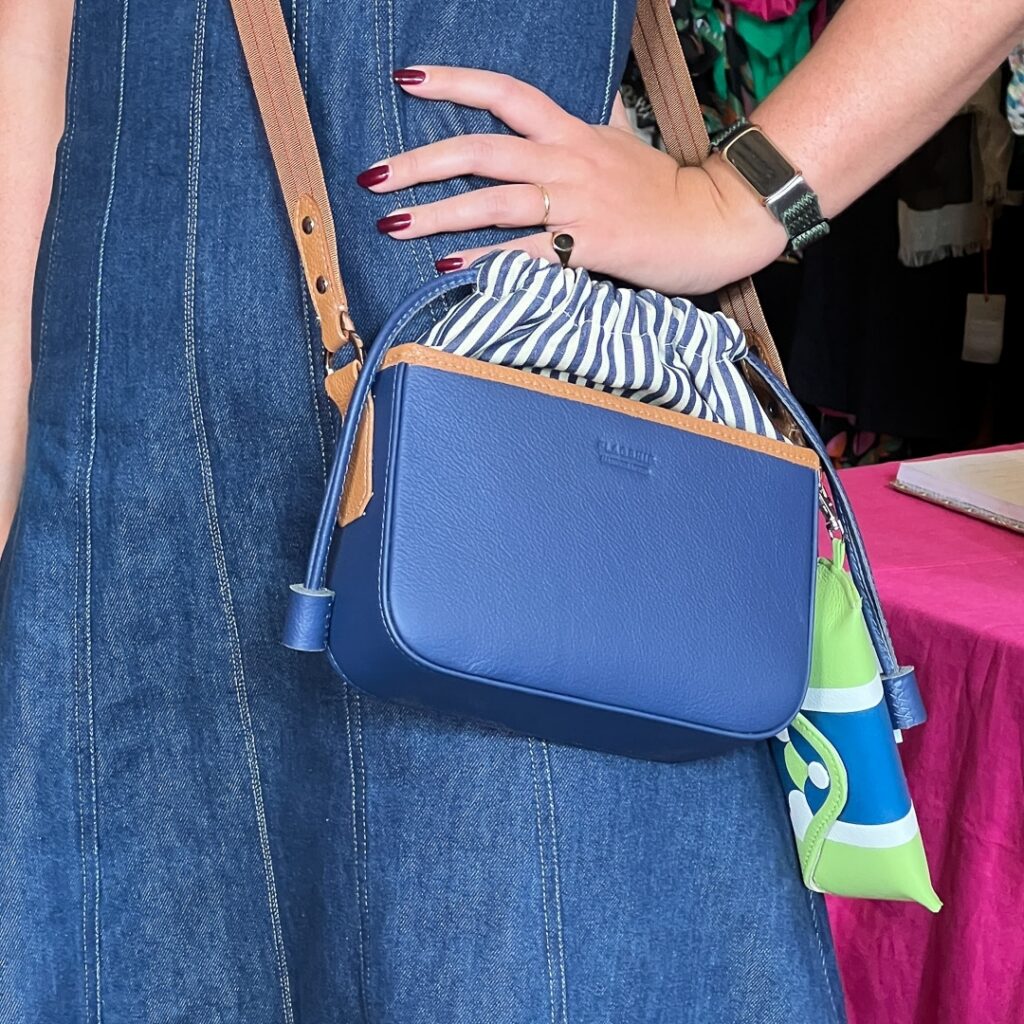
The brand describes its custom made leather handbags as authentic, unique and discreetly luxurious. Its approach centres on personalisation, with customers able to choose measurements, colours, dimensions and additional features according to their needs and preferred look.
That positioning provides an important lesson for entrepreneurs. Instead of competing purely on volume, Flagship Handbags focuses on the value created when a product is made to suit a particular customer.
Turning Personalisation Into the Core Proposition
The most obvious strength of Flagship Handbags is its focus on customisation.
The brand argues that custom made handbags offer customers greater selection, better value and a closer fit for their lifestyle than a standard one-size-fits-all product. Customers are invited to begin a custom journey by exploring style inspirations before making a design their own.
This changes the relationship between customer and product.
Rather than selecting a finished handbag from a limited range, the customer participates in decisions about the final product. Measurements, colours, dimensions and additional features become part of the purchasing process.
For entrepreneurs, this offers a practical lesson: personalisation can be more than an optional feature. When it becomes central to the business model, it can give customers a stronger reason to choose a specialised brand.
Building Luxury Around Quality
Flagship Handbags also places material quality at the centre of its proposition.
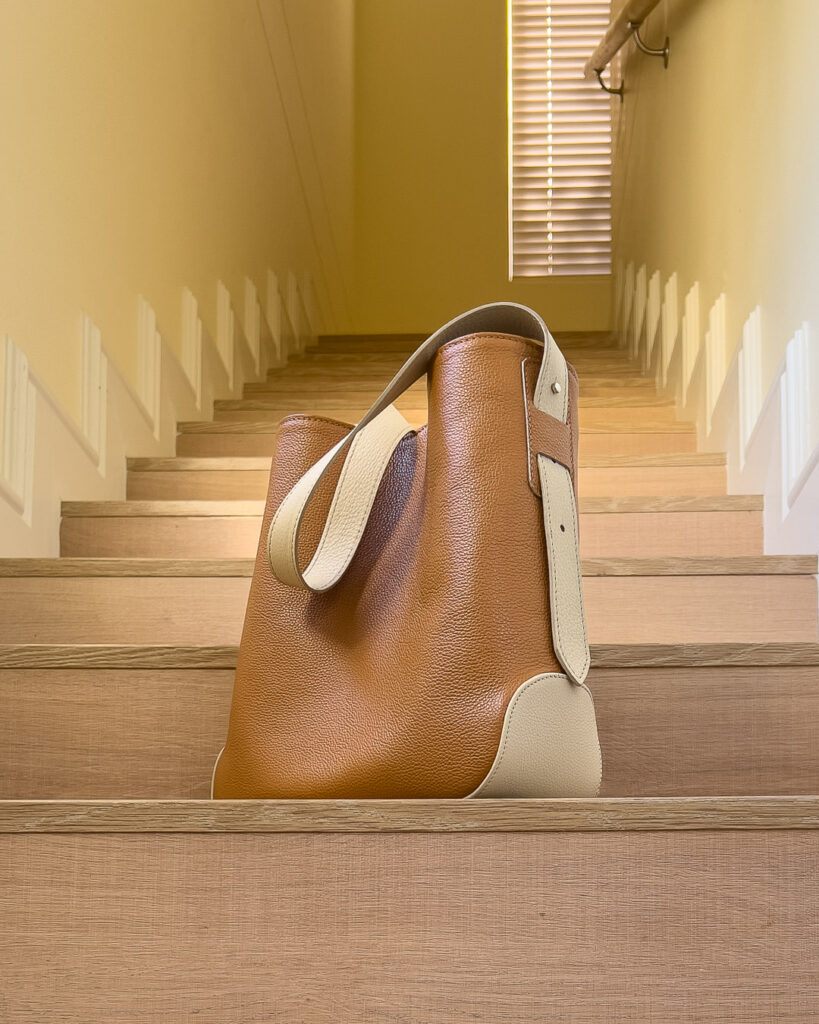
The brand specifically identifies its use of top grade Italian leather and fittings as an important part of the product’s appeal. The emphasis is not simply on producing a handbag, but on creating a personalised accessory that customers can own and enjoy for many years.
This is where the brand’s luxury positioning connects with its product strategy.
Entrepreneurs seeking to build premium brands can learn from this relationship between positioning and tangible product attributes. A luxury claim becomes more credible when customers can identify the materials and construction choices supporting it.
The lesson is simple: premium branding should be backed by premium details that customers can actually experience.
Creating Choice Without Losing Direction
Customisation can easily become overwhelming if customers are given too many decisions without guidance. Flagship Handbags addresses this by providing style inspirations and a portfolio that customers can use when considering their own designs.
This is a subtle but important part of the customer journey.
Instead of asking customers to imagine a completely new handbag from nothing, the brand gives them examples from which they can develop their own ideas.
For entrepreneurs, this demonstrates the value of guided choice. Personalisation works best when customers have enough freedom to make a product their own while still receiving a clear starting point.
A business can therefore combine flexibility with structure.
Making the Product Fit the Customer
The emphasis on personal measurements is another defining feature of the Flagship Handbags proposition.
The brand challenges the assumption that handbags need to be one-size-fits-all products. Instead, each handbag is created specifically around the customer’s personal needs and chosen measurements.
That approach transforms fit from a minor consideration into part of the value proposition.
It also demonstrates an important entrepreneurial principle: a business can differentiate itself by questioning an assumption within its industry.
When most products are designed for the broadest possible market, creating something around individual requirements can become a meaningful point of difference.
Turning a Purchase Into a Custom Journey
Flagship Handbags does not simply present its offer as a finished product catalogue. It invites customers to begin a custom journey.
The process starts with exploration. Customers can review style inspirations, examine colour options and consider dimensions and additional features before looking at the applicable price range. The portfolio provides another source of ideas.
This creates a more involved customer experience than simply choosing a handbag from a shelf.
For entrepreneurs, the lesson is that the buying process itself can become part of a brand’s value. When customers feel involved in creating something, the purchase can carry greater personal significance.
That can be particularly valuable in categories where identity and self-expression influence buying decisions.

Finding Strength in a Focused Market Position
Flagship Handbags’ proposition is deliberately specific. It is not trying to make customisation a secondary feature of a mass-market handbag business. Customisation sits at the heart of the brand.
That focus gives the business a clear message: customers who want a handbag shaped around their personal needs have an alternative to standard designs.
For smaller businesses, this is an important competitive lesson. Competing against larger brands does not always require matching their scale or product volume. A specialised business can instead compete by serving a need that broad-market products cannot address as directly.
The Bigger Lesson Behind Flagship Handbags
The story behind Flagship Handbags offers a useful example of how differentiation can be built through personalisation, quality and customer involvement.
Its custom made approach gives customers control over measurements, colours, dimensions and additional features. Its use of top grade Italian leather and fittings reinforces the brand’s focus on quality, while its style inspirations and portfolio help customers navigate the customisation process.
For aspiring entrepreneurs, the wider lesson is about finding value in the details.
A product does not always need to be reinvented completely. Sometimes the opportunity lies in changing how it is designed, how customers participate in the process and how the finished product fits their individual needs.
Flagship Handbags’ approach shows what can happen when a brand takes that idea seriously. By moving away from a one-size-fits-all mindset and towards a more personalised experience, it gives customers a product that is intended to reflect both their practical requirements and their signature look.
That is the kind of focused proposition entrepreneurs can learn from: identify what customers want to make personal, build the product around that need, and make every part of the customer journey reinforce the promise.