Tuska Atelier: The Craftsmanship Strategy Behind a Timeless Leather Brand
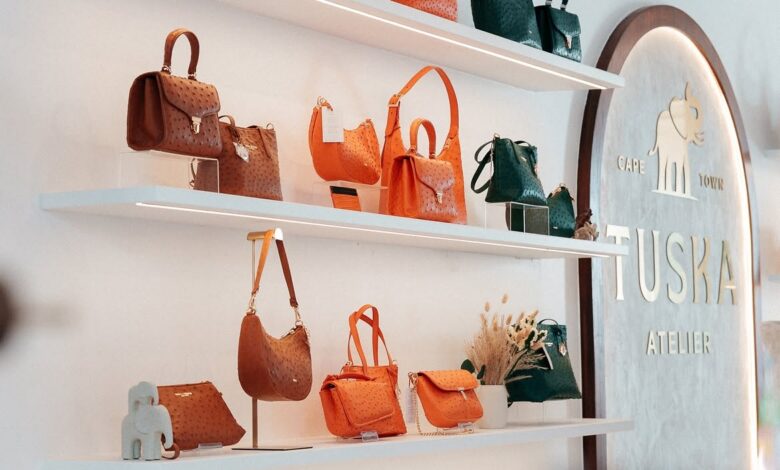
Tuska Atelier: The Craftsmanship Strategy Behind a Timeless Leather Brand. In a market where fashion can often move quickly, Tuska Atelier has built its identity around slowing down and getting the details right. The brand was founded with a straightforward intention: to create leather goods that are honest, enduring and thoughtfully made. That philosophy shapes everything from the materials selected to the way each bag is produced.
Tuska Atelier’s approach is centred on restraint, craftsmanship and respect for material. Rather than treating luxury as something defined by constant novelty, the brand connects it with longevity and timeless design.
Its story offers valuable lessons for entrepreneurs about building a product around clear principles, creating trust through craftsmanship and making quality part of the customer experience rather than simply a marketing claim.
Starting With a Clear Product Philosophy
Tuska Atelier began with respect for material and a belief in doing things properly.
That philosophy gives the brand a clear foundation. From design through to production, decisions are guided by restraint, quality and longevity.
This is significant because a strong brand identity often begins with knowing what the business refuses to compromise on.
For Tuska Atelier, the emphasis is not on producing products simply for the sake of having something new. Its products are intended to be purposeful, used and valued over time.
The lesson for entrepreneurs is to identify the principles that should guide decision-making. When those principles are clear, they can influence product development, sourcing, manufacturing and communication in a consistent way.
Designing For Everyday Life
The Tuska approach to design begins with purpose.
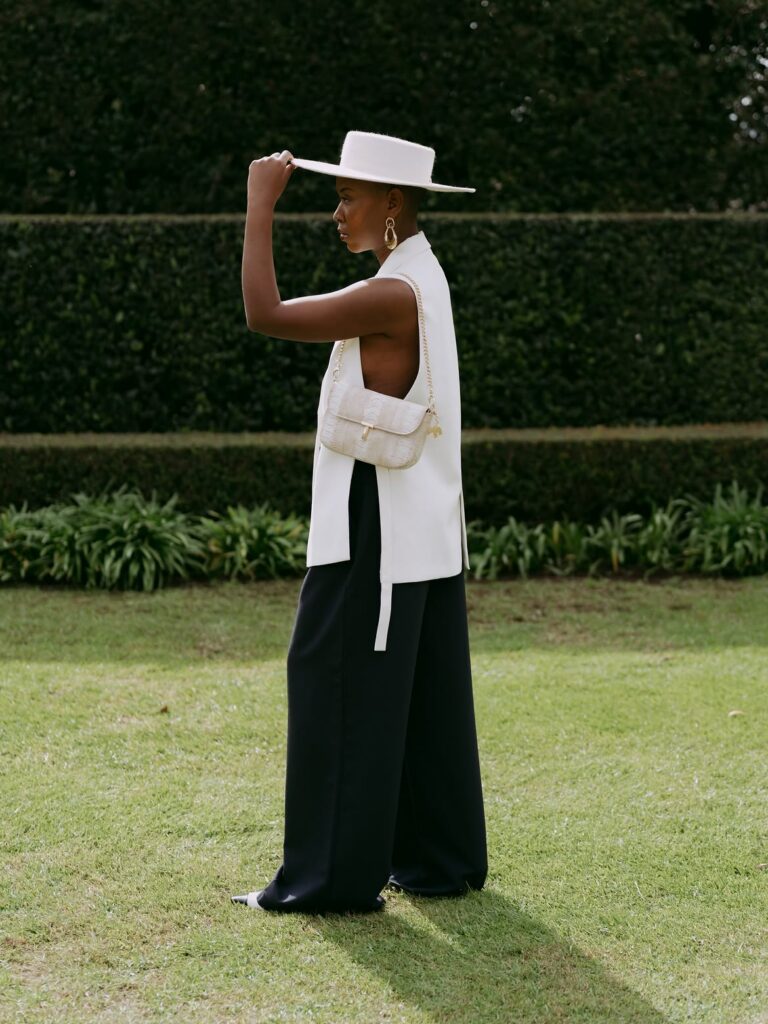
Its bags are designed with everyday use in mind, balancing clean lines with practical function. The intention is to create pieces that can move between work, travel and everyday life.
That positioning gives the products a practical role beyond appearance.
For entrepreneurs, there is an important lesson here. Design should not only answer the question of what looks good. It should also address how a product will be used.
Tuska Atelier combines aesthetics with functionality by focusing on bags that fit naturally into different parts of a customer’s life.
This approach can help a product become more useful and, consequently, more relevant to the person who owns it.
Letting Materials Become Part of the Story
Material selection is central to Tuska Atelier’s identity.
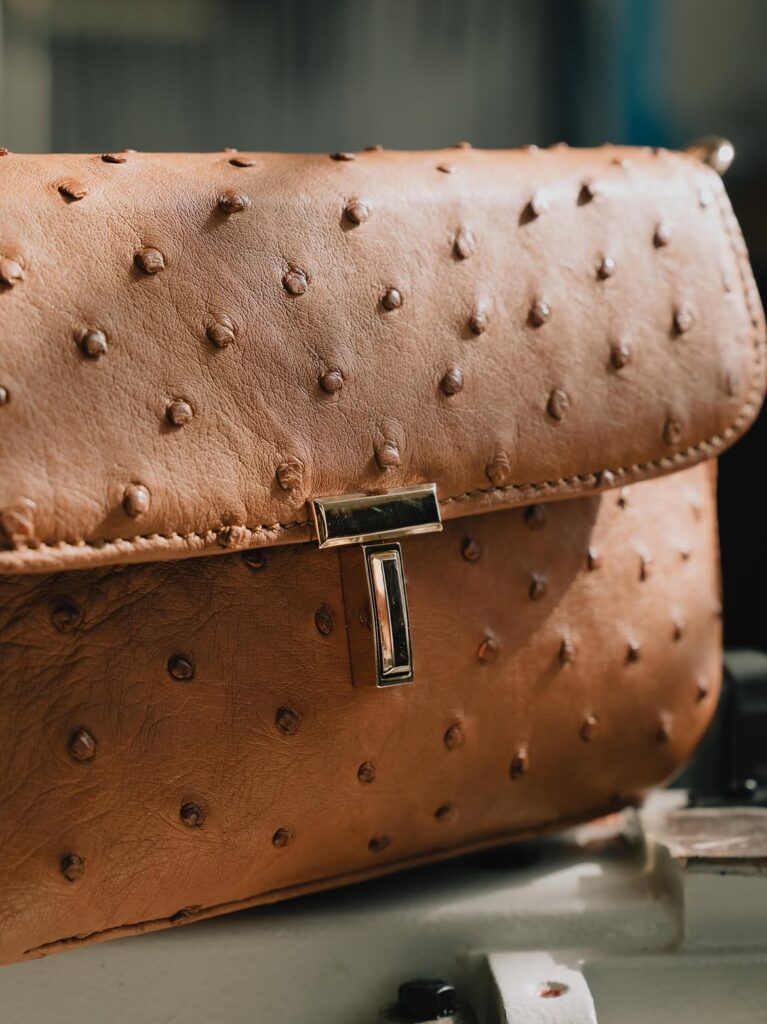
The brand works exclusively with premium leathers and natural materials, selecting them for durability, texture and character. Importantly, each hide is chosen with consideration for how it will wear over time.
The resulting patina is expected to become unique to its owner.
That perspective changes the way customers can think about ageing. Instead of treating signs of use as something that diminishes a product, Tuska positions the development of character over time as part of the product’s appeal.
For entrepreneurs, this provides a useful lesson in product storytelling. A material can become more than a technical specification when its characteristics connect directly to the brand’s philosophy.
Tuska’s emphasis on durability and developing patina gives customers a reason to appreciate the product throughout its life rather than only when it is new.
Keeping Production In One Cape Town Workshop
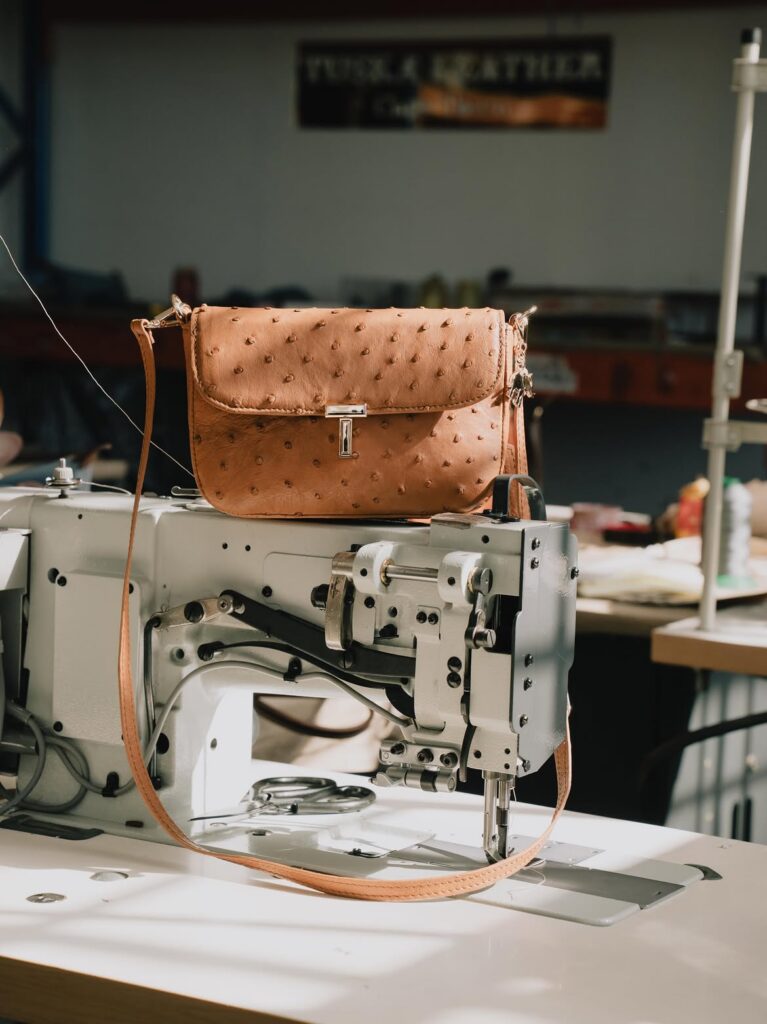
Every Tuska bag is handcrafted in a single workshop in Cape Town.
That detail gives the manufacturing process a defined centre. More than 20 skilled artisans work across cutting, stitching, edge finishing and assembly, with each stage completed by hand.
The process places human skill at the heart of production.
For a brand built around craftsmanship, this is particularly important. The manufacturing approach reinforces the message that quality requires time, precision and attention.
Entrepreneurs can learn from this alignment between brand promise and production. If craftsmanship is central to a company’s identity, the way products are made should support that claim.
Tuska Atelier’s workshop model makes the human element visible within the product story.
The Value of Skilled Makers
The role of the artisans extends across several stages of production.
Cutting, stitching, edge finishing and assembly each require attention, with different parts of the process contributing to the finished product.
The brand’s approach places value on time, precision and human touch.
This creates an important distinction between simply producing a leather bag and presenting a product as a carefully crafted object.
For entrepreneurs, the broader lesson is to recognise where human expertise creates value. In an increasingly automated marketplace, specialised craftsmanship can become an important part of differentiation when it genuinely contributes to the product.
It also reinforces the importance of respecting the people behind production.
Building Longevity Into the Brand
Longevity is not treated as a secondary benefit at Tuska Atelier. It is part of the brand’s purpose.
The products are intended to be used, lived with and valued over time. The bags are designed to age beautifully, while the selected materials are chosen partly for how they will develop with use.
This gives the brand a consistent long-term proposition.
For entrepreneurs, the lesson is to consider what happens after the initial purchase. A product designed for longevity can create a different relationship between a brand and its customers because the product becomes part of everyday life.
The focus also encourages businesses to think beyond short-term trends and consider whether their products have enduring value.
The Strength of Restraint
Tuska Atelier’s design philosophy repeatedly returns to restraint.
Clean lines, practical function, carefully selected materials and purposeful construction all support the same direction.
Restraint can be difficult because it requires knowing what to leave out. But when used consistently, it can become a defining characteristic.
For entrepreneurs, this is a valuable branding lesson. More features, more decoration or more messaging do not automatically create a stronger product.
Sometimes differentiation comes from making deliberate choices and maintaining them across the customer experience.
The Lessons Behind Tuska Atelier
Tuska Atelier’s journey provides several practical lessons for aspiring entrepreneurs.
Start with a clear purpose. The brand’s intention to create honest, enduring and thoughtfully made leather goods guides its wider approach.
Make product decisions support the brand promise. Premium leathers, natural materials, craftsmanship and practical design all reinforce Tuska’s focus on quality and longevity.
Respect the production process. More than 20 skilled artisans contribute to the handcrafted production of every bag in the Cape Town workshop.
Design for real life. Tuska’s bags are created with everyday use in mind, allowing them to move between work, travel and life.
Finally, build for longevity. The emphasis on durable materials and products that develop character over time creates a proposition based on lasting value.
Tuska Atelier demonstrates that a brand does not need to chase constant novelty to create distinction. Its strength comes from consistency. From the leather selected to the hands that shape it, each part of the process reflects the same belief: thoughtful design, quality craftsmanship and respect for materials can create products intended to be used, lived with and valued for years.