
Cape Town Stadium Urine-Recycling System Named 2026 Africa Prize Finalist
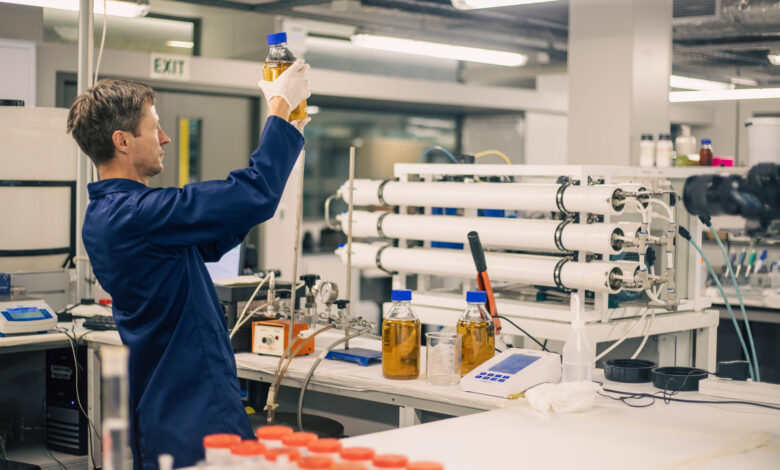
Cape Town Stadium Urine-Recycling System Named 2026 Africa Prize Finalist. South African chemical engineer Dyllon Randall has been selected as one of four finalists for the 2026 Africa Prize for Engineering Innovation for his work on Pee-Cycling, a modular system that converts urine into fertiliser and reusable water.
Randall co-founded the system, which collects urine through waterless urinals or no-mix toilets before stabilising it and using pretreatment and reverse osmosis to produce concentrated liquid fertiliser and clean reusable water.
The full-scale system occupies approximately 12 to 15 square metres and can process up to 3,000 litres of urine daily. According to the information provided, every 1,000 litres processed saves around 2,000 litres of potable water.
The Pee-Cycling plant at Cape Town Stadium is now fully operational. The project, delivered with Bidvest Prestige and the City of Cape Town, collected 3,600 litres of urine during the South Africa versus New Zealand rugby match. Pee-Cycling has also signed Bidvest Prestige as its first commercial client to operate and maintain the system.
The system has been included in the City of Cape Town’s stadium tender for three years and won first place at the FNF Afri GreenPitch Challenge 2026, organised by GreenCape.
Randall is among 16 entrepreneurs participating in the eight-month Africa Prize programme, delivered by the Royal Academy of Engineering and partially funded by the UK’s Department for Business, Innovation, Science and Trade.
The other three finalists are Mamane Kabirou Ousseini of Niger, who developed the Likita Care medical monitoring platform; Kenyan entrepreneur Naom Monari, founder of mobile dialysis clinic Renal Roads; and Kenyan doctor and entrepreneur Alice Muhuhu, creator of the AI-enabled MoyoECG cardiac monitoring platform.
The four finalists will pitch to judges at the 2026 Africa Prize Final on 28 October at NH Johannesburg Sandton. The winner will receive £50,000, while the other three finalists will each receive £10,000. The remaining shortlisted innovators will compete for a £5,000 One-to-Watch Award decided by audience vote.




