Restio: The Design Lessons Behind a South African Furniture Brand
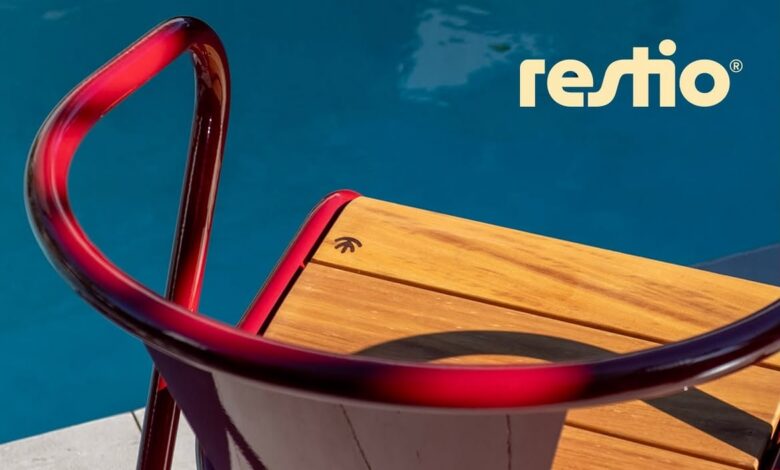
Restio: The Design Lessons Behind a South African Furniture Brand. Good furniture has to do more than look right in a room. It needs to work, feel comfortable and remain relevant long after a particular trend has disappeared. That philosophy sits at the heart of Restio, a furniture brand started in Cape Town by three friends with a shared love of beautiful, functional furniture and an eye for detail.
From the beginning, Restio chose a hands-on approach. The founders design and make every piece themselves, working locally with metal and timber selected for durability and sustainability.
The result is a brand built around longevity rather than constant change. Its collections draw inspiration from landscapes, while its furniture is produced in small runs and finished by hand.
For entrepreneurs, Restio offers a useful example of how a business can create distinction by being deliberate about what it makes, how it makes it and what it wants its products to represent.
Start With a Shared Point of View
Restio began with three friends who shared an appreciation for beautiful and functional furniture.
That combination is important. The brand does not separate aesthetics from usefulness. Its furniture is designed to be visually considered while remaining practical.
For entrepreneurs, this shows the value of defining what different priorities have in common. A brand does not necessarily need to choose between beauty and function when both can become part of the same product philosophy.
Restio’s identity is built around bringing those qualities together.
Make Longevity the Opposite of Trend Chasing
Restio is less interested in trends than longevity.
That decision influences how the brand approaches its collections and individual pieces. Rather than designing furniture around short-lived aesthetics, it focuses on products intended to remain relevant and durable over time.
This provides a clear positioning strategy.
For entrepreneurs, the lesson is to identify what your business deliberately does not want to compete on. Restio is not trying to win by constantly following what is fashionable. Its proposition is built around creating furniture that can stay meaningful for years.
A clear refusal to chase every trend can become part of a brand’s identity when it is consistently reflected in the product.
Let Materials Support the Brand Promise
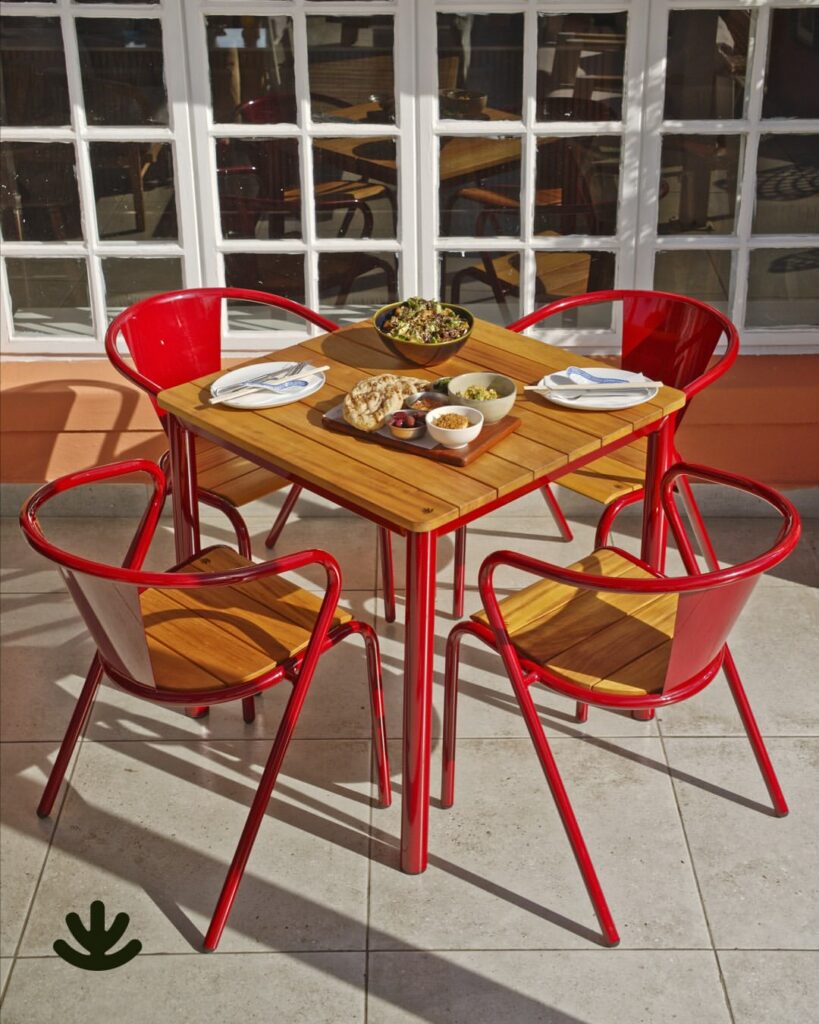
Restio works with metal and timber selected for sustainability and durability.
The choice of materials supports the brand’s broader emphasis on longevity. If furniture is meant to last, the materials used to make it need to support that goal.
This is a useful lesson for product-based businesses. Brand promises should connect to actual decisions made during production.
It is one thing to describe a product as durable. It is another to build the product using materials chosen with durability in mind.
Restio’s approach brings its materials, manufacturing process and positioning into the same story.
Use Craftsmanship as a Point of Difference
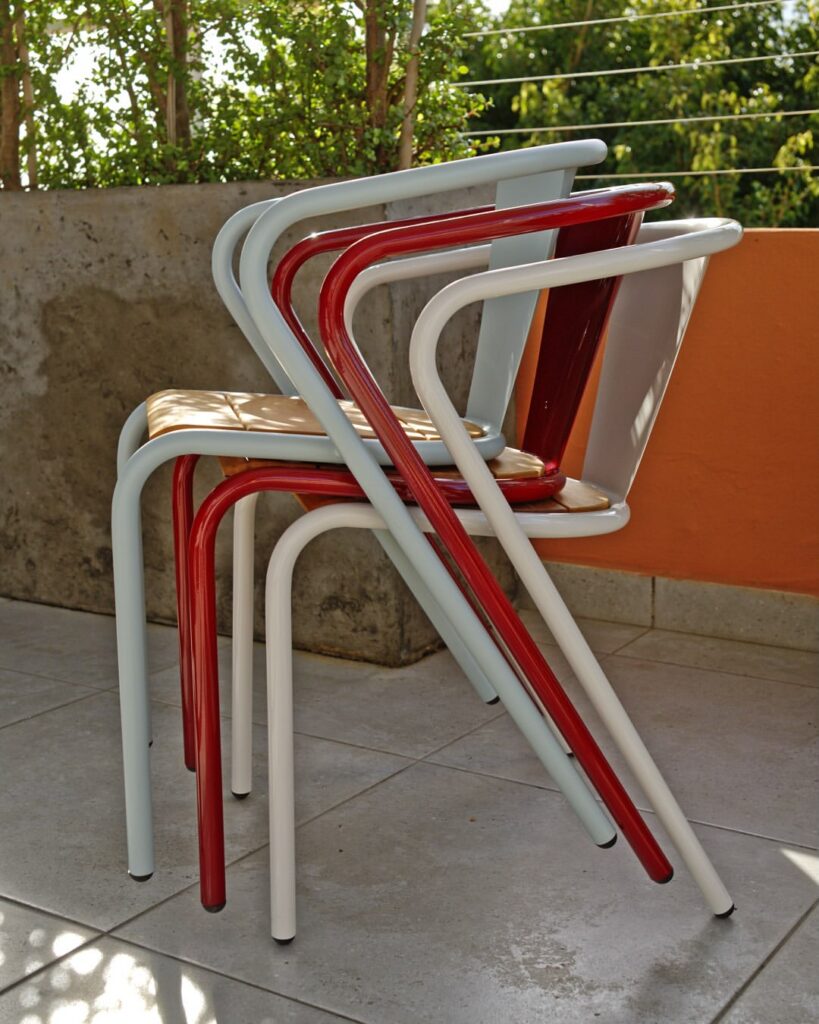
Every Restio piece is made in small runs and finished by hand.
The brand places particular importance on details such as joints, finishes and proportions, describing each as something that is carefully considered.
That attention to detail creates a clear distinction from purely mass-produced furniture.
For entrepreneurs, craftsmanship can become a competitive advantage when it is visible in the finished product and supported by a consistent production process.
The lesson is not simply to say that a product is handmade. Show what the craftsmanship means. Explain the decisions, techniques or details that customers would otherwise overlook.
Restio’s focus on joints, finishes and proportions gives its craftsmanship a practical dimension.
Design for the Body as Well as the Eye
A beautiful piece of furniture can still fail if it is uncomfortable.
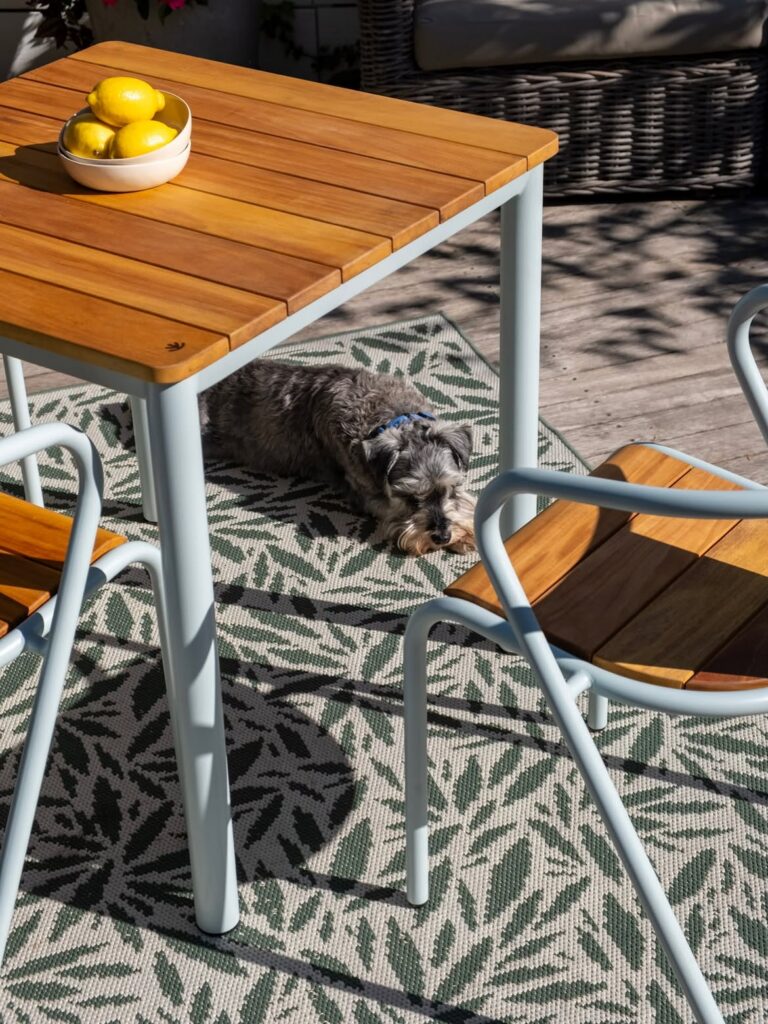
Restio explicitly places comfort alongside appearance, designing its pieces for the body as much as the eye.
This adds another dimension to its functional design philosophy.
For entrepreneurs, this is a reminder to think beyond the most obvious attribute of a product. Furniture is seen, but it is also used. A successful design therefore needs to consider how customers physically interact with it.
Restio’s emphasis on genuine comfort ensures that aesthetics are not treated as the only measure of a successful piece.
Build a Local Identity Into the Business
Restio is proudly South African and makes its furniture in Cape Town.
The brand’s name and identity are inspired by the resilience and elegance of the restio plant, connecting its South African roots with the wider philosophy behind its products.
That connection gives the brand a clear sense of place.
Local production also allows Restio, as a small business, to engage closely with clients, collaborators and others in the industry.
For entrepreneurs, this demonstrates how geography can become part of a brand’s identity when it is genuinely connected to the way the business operates.
Cape Town is not simply where Restio is based. It is where its furniture is designed and handmade, and where the business maintains close relationships with the people around it.
Create Collections With a Story
Restio names each collection after landscapes that shape the brand’s thinking.
This gives the collections an additional layer of identity without taking attention away from the furniture itself.
For entrepreneurs, naming and storytelling can help organise a growing product range. The key is to ensure that the story connects naturally to the brand rather than becoming decoration without meaning.
Restio uses landscapes as a recurring source of inspiration, reinforcing its relationship with South Africa and the natural environment.
Build a Brand Around Consistency
Restio’s strongest lesson is consistency.
Its emphasis on quality connects with its attention to detail. Its focus on longevity connects with its material choices. Its commitment to local craftsmanship connects with its Cape Town production. Its focus on beauty is balanced by functionality and comfort.
These ideas reinforce one another.
For aspiring entrepreneurs, that alignment is valuable. A strong brand is not created only through marketing. It develops when the product, materials, manufacturing process, customer relationships and communication all support the same underlying philosophy.
Restio’s journey shows how three friends with a shared appreciation for furniture have built a business around deliberate choices. Instead of chasing constant novelty, the brand focuses on thoughtful design, sustainable materials, craftsmanship, comfort and longevity.