
The Lessons Behind Asha Eleven: Building Womenswear Around Art

The Lessons Behind Asha Eleven: Building Womenswear Around Art. Asha Eleven begins with an idea that reaches beyond clothing: inspired people can inspire others. That ethos sits at the centre of a sustainably driven womenswear brand where original artwork, community collaboration and responsible production come together. Designed in Cape Town, Asha Eleven creates collections from original hand-painted textile prints and works with community artisans and small home business production partners. The brand also uses high quality, biodegradable fabrics within a closed-loop zero waste production philosophy.
Rather than treating sustainability as something added to a finished product, Asha Eleven places it within the way its collections are created. For entrepreneurs, that provides valuable lessons about building a brand around a clear philosophy and making that philosophy visible through the product itself.
Inspiration Became Part of the Brand Identity
The ethos that “inspired people inspire people” gives Asha Eleven a distinctive foundation.
It connects the creative process with the broader purpose of the brand. The clothing is not described simply through what it looks like, but through the inspiration behind its creation.
For entrepreneurs, there is a useful lesson in this approach. A brand philosophy can become more meaningful when it influences the product rather than appearing only in marketing language.
A clear belief can help establish the tone of a business and provide a consistent idea for customers to associate with it.
Original Artwork Creates a Distinctive Starting Point
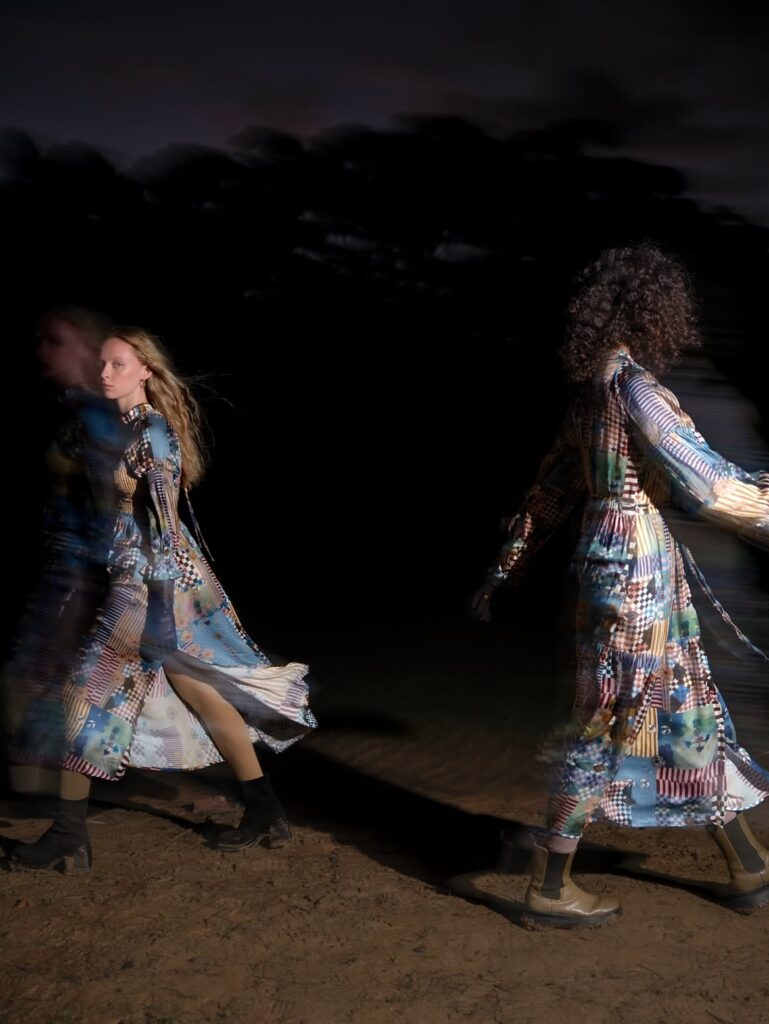
Asha Eleven’s collections are born from original hand-painted textile prints. This makes the creative process an important part of the brand’s identity.
Instead of beginning with generic textiles and building a story around the finished garments, the brand starts with its own original prints.
That creates an opportunity for entrepreneurs to think differently about differentiation. In a crowded market, uniqueness does not always have to come from an entirely new product category. It can come from creating an identifiable element that belongs to the brand.
For Asha Eleven, the hand-painted prints provide that creative foundation.
Cape Town Keeps Design Close to Home
The brand is designed in Cape Town, giving its creative process a clear geographical base.
This detail is part of a broader model that connects design with community-based production. Asha Eleven collaborates with community artisans and small home business production partners to create its collections.
For entrepreneurs, this demonstrates how different parts of a business can work together. Design, production and community collaboration do not have to operate as disconnected functions.
A business can build its operating model around the relationships and capabilities it wants to support.
Collaboration Is Part of the Production Model
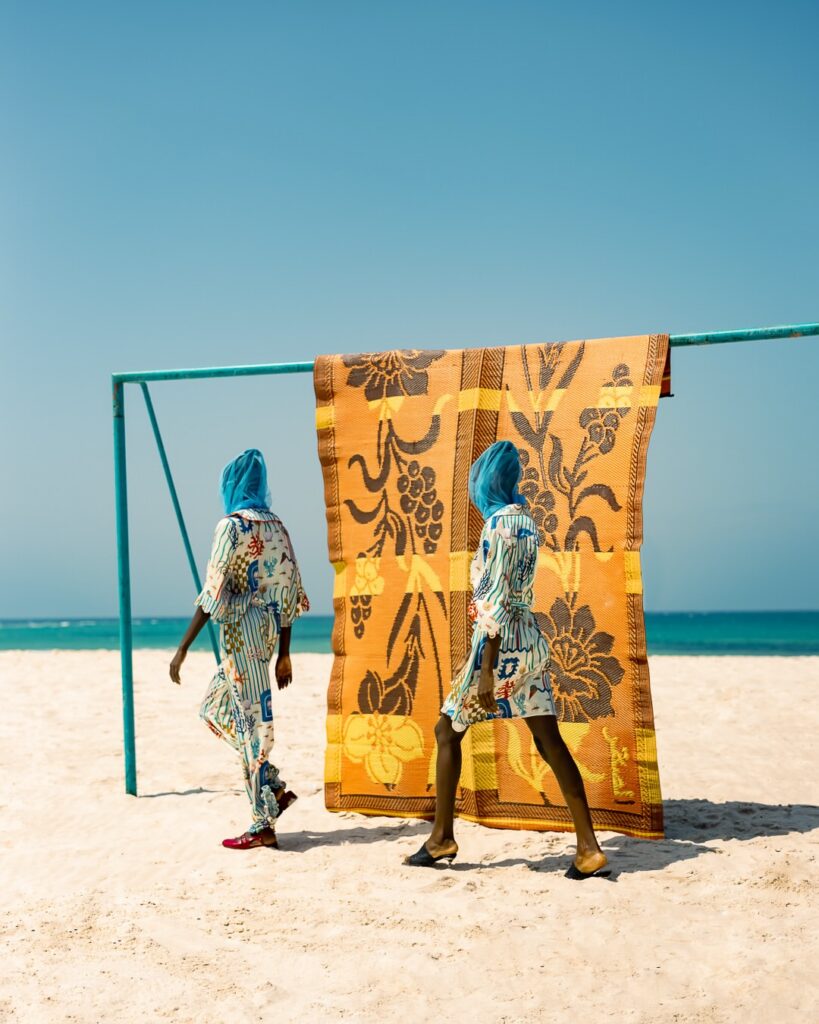
Working with community artisans and small home business production partners is not simply a sourcing detail in Asha Eleven’s story. It forms part of how the collections are produced.
This offers an important lesson for entrepreneurs considering how to structure production. Collaboration can create a model in which the people involved in making a product become part of the brand’s broader proposition.
The key is to make those partnerships meaningful to the actual production process, as they are within the information provided about Asha Eleven.
Sustainability Starts With Material Choices
Asha Eleven uses high quality, biodegradable fabrics for its collections.
The choice of fabric supports the brand’s sustainably driven positioning and demonstrates how material decisions can influence the character of a product.
For entrepreneurs, the lesson is to examine the materials and processes behind an offering. Sustainability is not limited to marketing language. It can begin with decisions about what goes into a product and how it is produced.
When those decisions are part of the actual business model, they can provide a stronger foundation for communicating the brand’s values.
Zero Waste Shapes the Production Philosophy
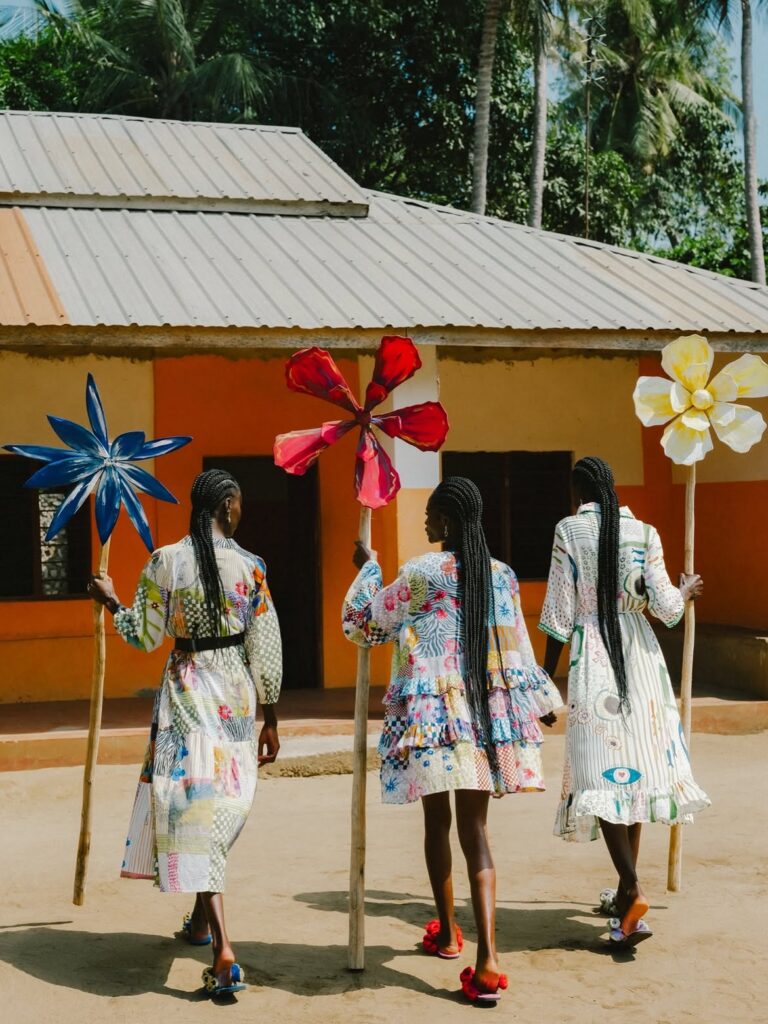
Perhaps one of the clearest strategic elements of Asha Eleven’s approach is its closed-loop zero waste production philosophy.
This positions waste reduction within the production process rather than treating it as an occasional initiative.
For an entrepreneur, the practical lesson is to think about waste before production begins. Product development can consider materials, manufacturing and the use of resources as connected decisions rather than separate stages.
A philosophy like this can also help a brand maintain consistency between its values and its operations.
The Lesson Behind Asha Eleven
Asha Eleven demonstrates how a womenswear brand can bring creativity, collaboration and sustainability into one coherent proposition.
Its collections begin with original hand-painted textile prints, are designed in Cape Town and are made in collaboration with community artisans and small home business production partners. High quality biodegradable fabrics and a closed-loop zero waste production philosophy further shape the way the collections are created.
For aspiring entrepreneurs, the broader lesson is to build from something genuine. A distinctive creative process, meaningful partnerships and deliberate production choices can all contribute to a brand identity when they are connected by a clear philosophy.